Cosy, Personal and Closer to Home Than You Think
Of all the rooms in a home, the bedroom is the most personal. It reflects who someone is, what they love, and how they live. That personal connection is exactly what makes bedroom vocabulary such a powerful teaching tool.
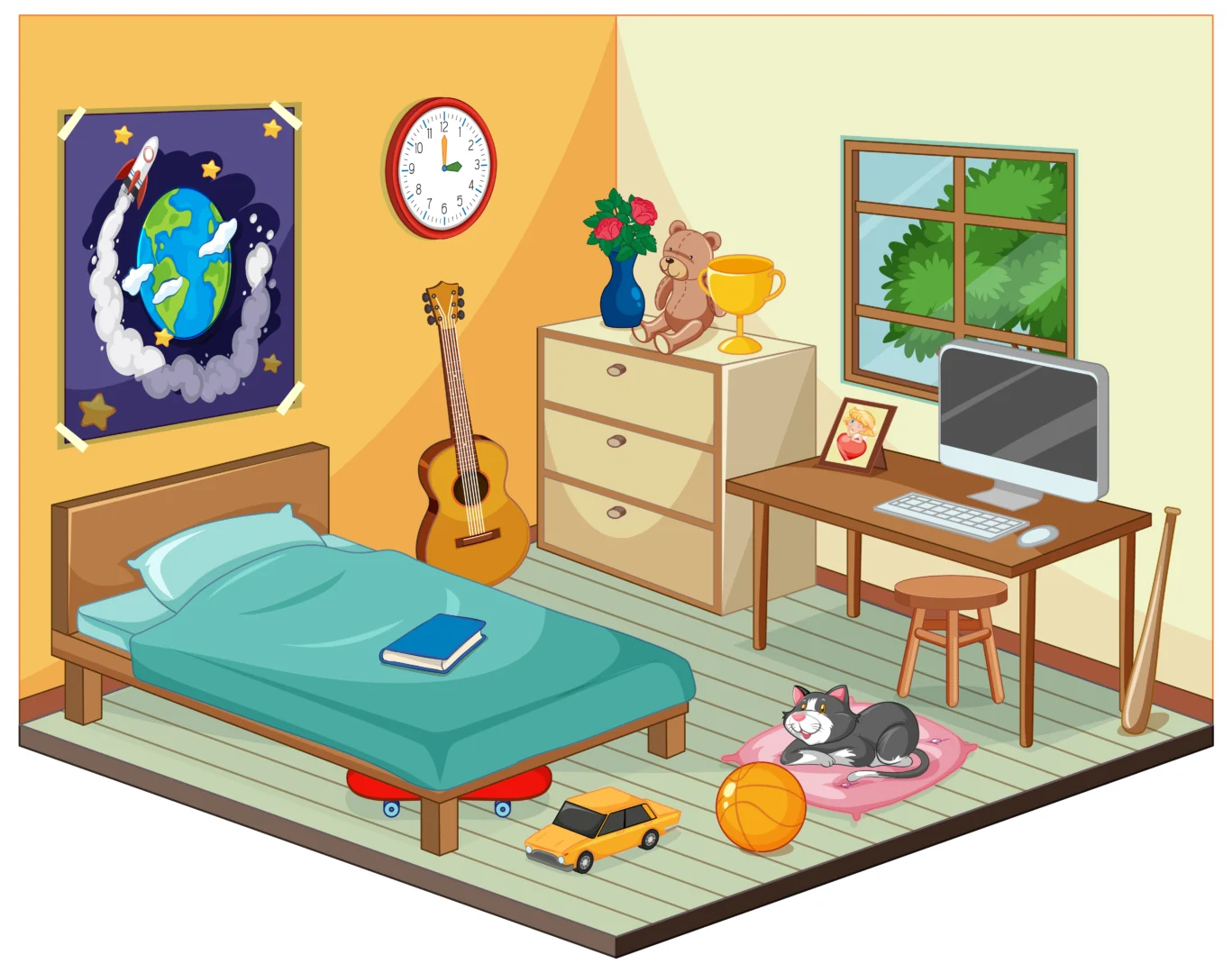
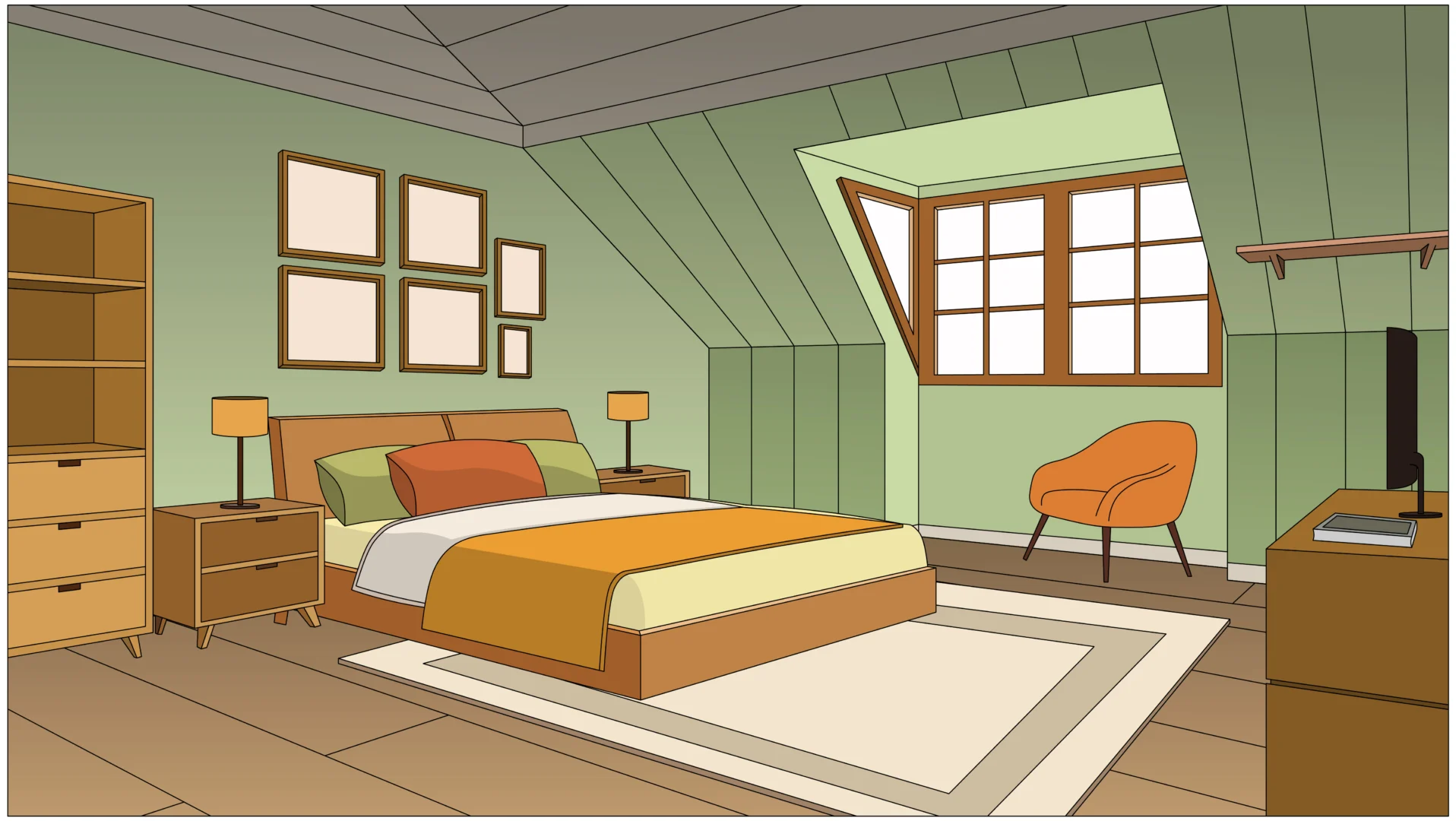
A student’s bedroom might have a loft bed stacked with books, a beanbag in the corner, or a dressing table covered in photos. Someone else might have a single bed, a wardrobe with a broken handle, and an alarm clock that never seems to work. No two bedrooms are the same, and that variety gives teachers a natural springboard for conversation.
Ask your students this: “If you had to describe your bedroom to someone who has never seen it, where would you start?” That one question pushes students to recall object names, use prepositions, and build descriptive sentences all at once, without it feeling like a grammar exercise.
Bedroom vocabulary also connects naturally to daily habits and routines. The alarm clock that wakes students up, the curtains they pull open, the slippers they reach for before their feet touch the floor. These are not abstract words on a flashcard. They are part of a lived experience that students can immediately relate to and talk about.
There is also an emotional layer here that is worth exploring. Bedrooms hold memories. A teddy bear on a shelf, a photo frame on the bedside table, a childhood toy box tucked in the corner. A follow-up question that tends to open up real conversation: “Is there one object in your bedroom that means a lot to you? What is it and why?”
The bedroom is where the day begins and ends, and the words that fill it are some of the most quietly meaningful a student can learn. Unlike vocabulary tied to formal settings or academic contexts, bedroom words carry genuine personal weight. When a student can describe their own space in English, something shifts. The language stops feeling foreign and starts feeling like theirs.