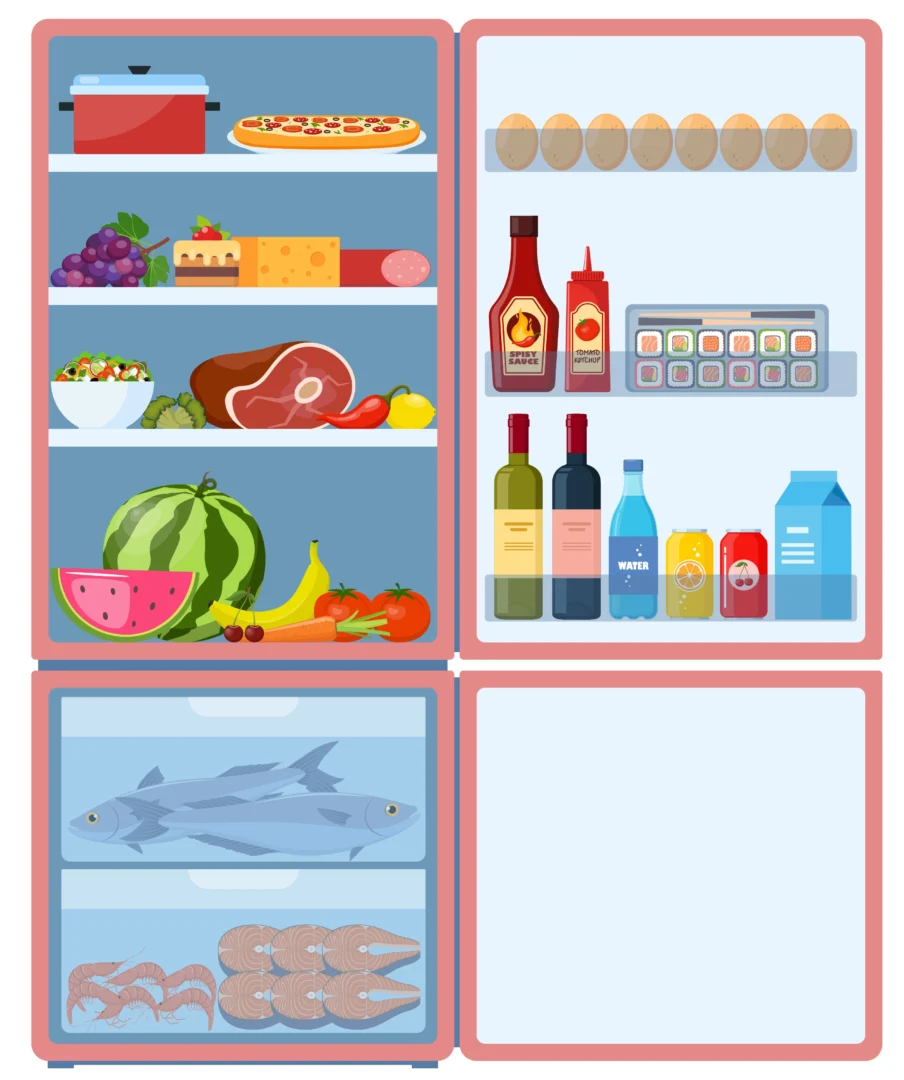
Every Shelf Has Something to Confess
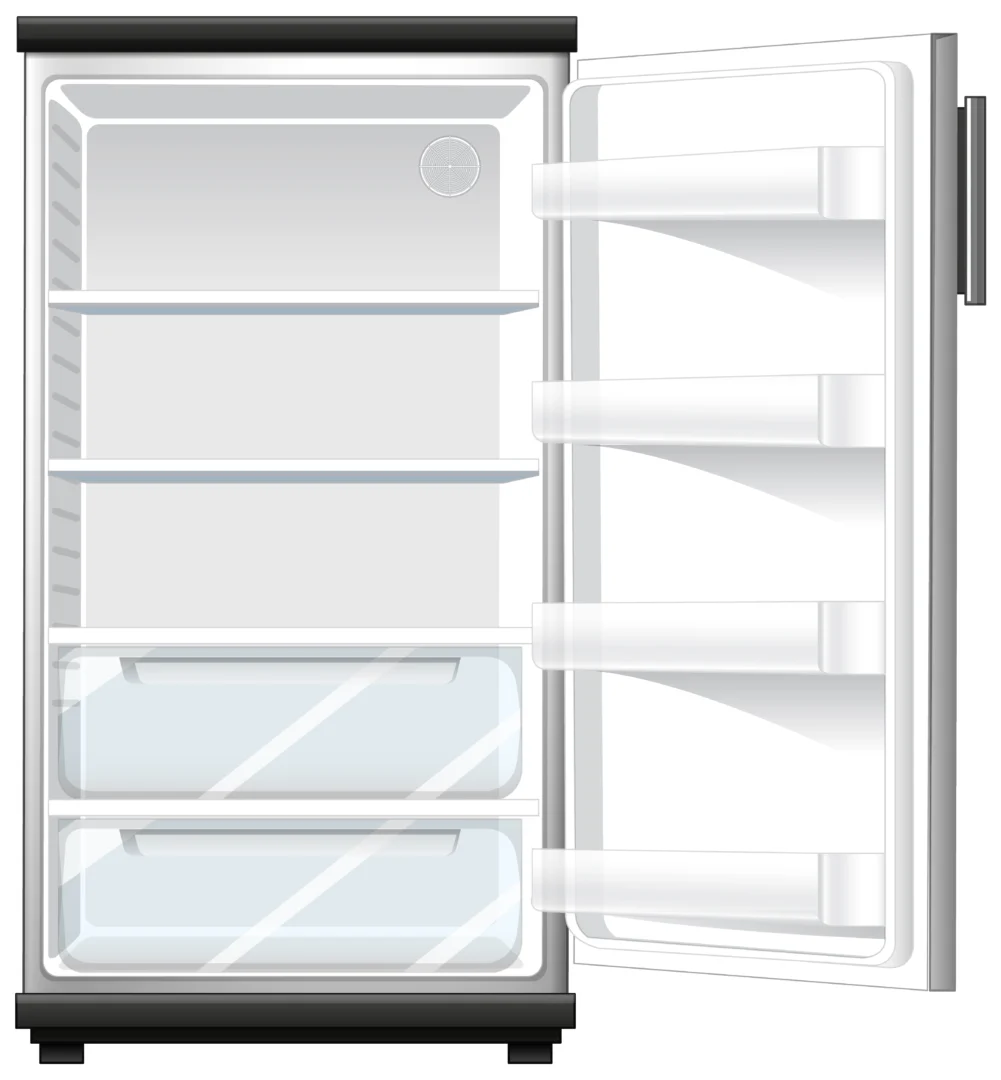
The fridge is the one appliance in a home that nobody tidies before a guest arrives. A bathroom gets a quick wipe, the living room gets a cushion adjustment, but the fridge stays exactly as it is. That unfiltered honesty is what makes it such a fascinating starting point for a vocabulary lesson.
What students will find useful about fridge vocabulary is how immediately it connects to real decisions. Checking whether the milk is still good, figuring out what to do with leftover rice, deciding whether that container at the back is still safe to eat. These are not hypothetical situations. They happen every single day.
Ask your students this: “Think about your fridge at home right now. What is the oldest thing in it, and how long has it been there?” That question always gets a reaction, usually a laugh of recognition, and it pushes students to recall specific vocabulary in a genuinely personal context.
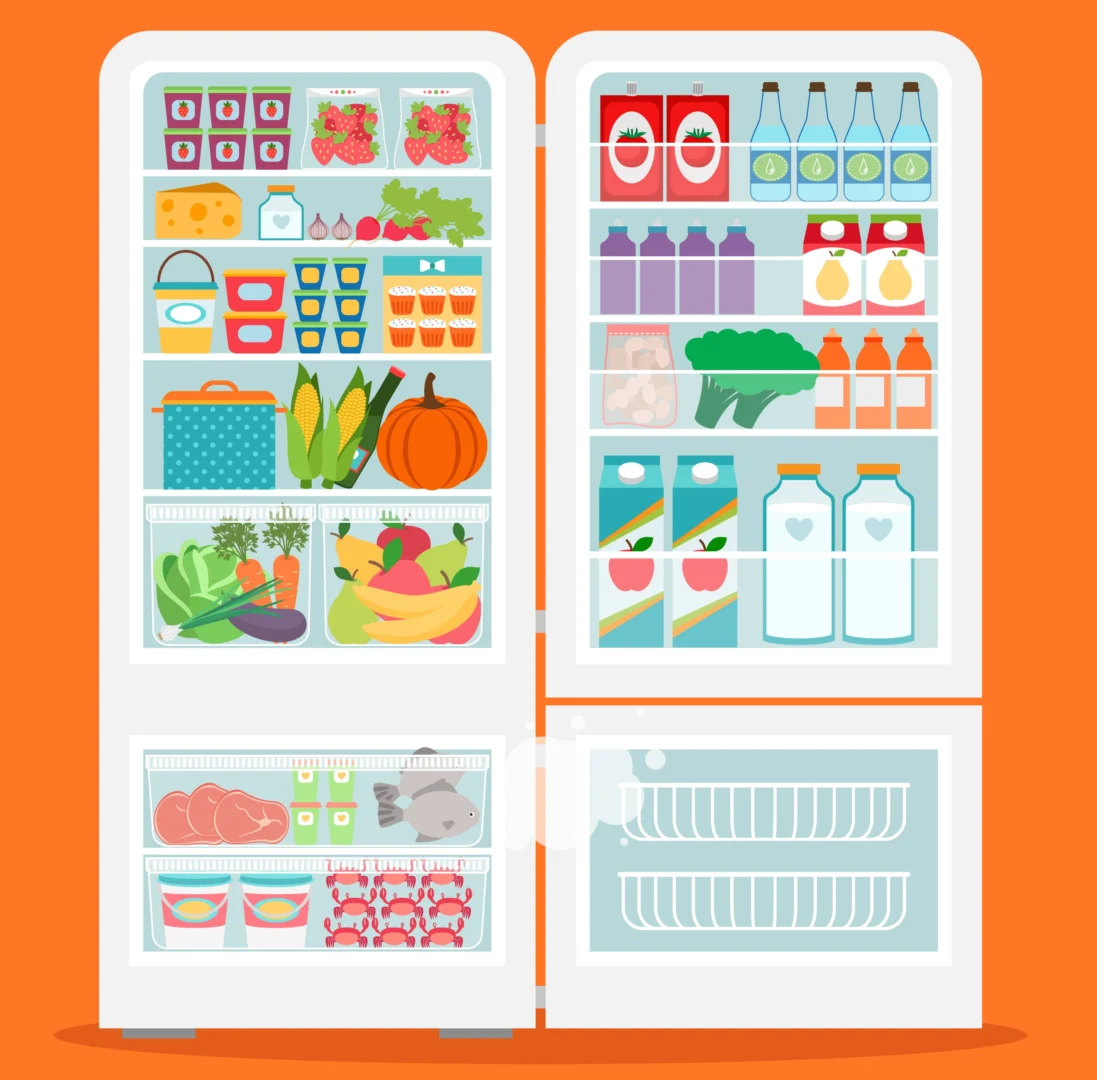
Fridge vocabulary also opens up natural conversations about food habits and culture. What one household considers a staple, another has never bought. Yogurt, fish, cream, mayonnaise. The contents of a fridge vary enormously depending on background and upbringing, and that variety makes for rich classroom discussion.
The butter softening near the door, the jam that has been there since someone brought it as a gift two years ago. A fridge tells a story about the person who owns it, and giving students the vocabulary to tell that story in English is precisely the point.