The Whole Neighbourhood Shows up Here
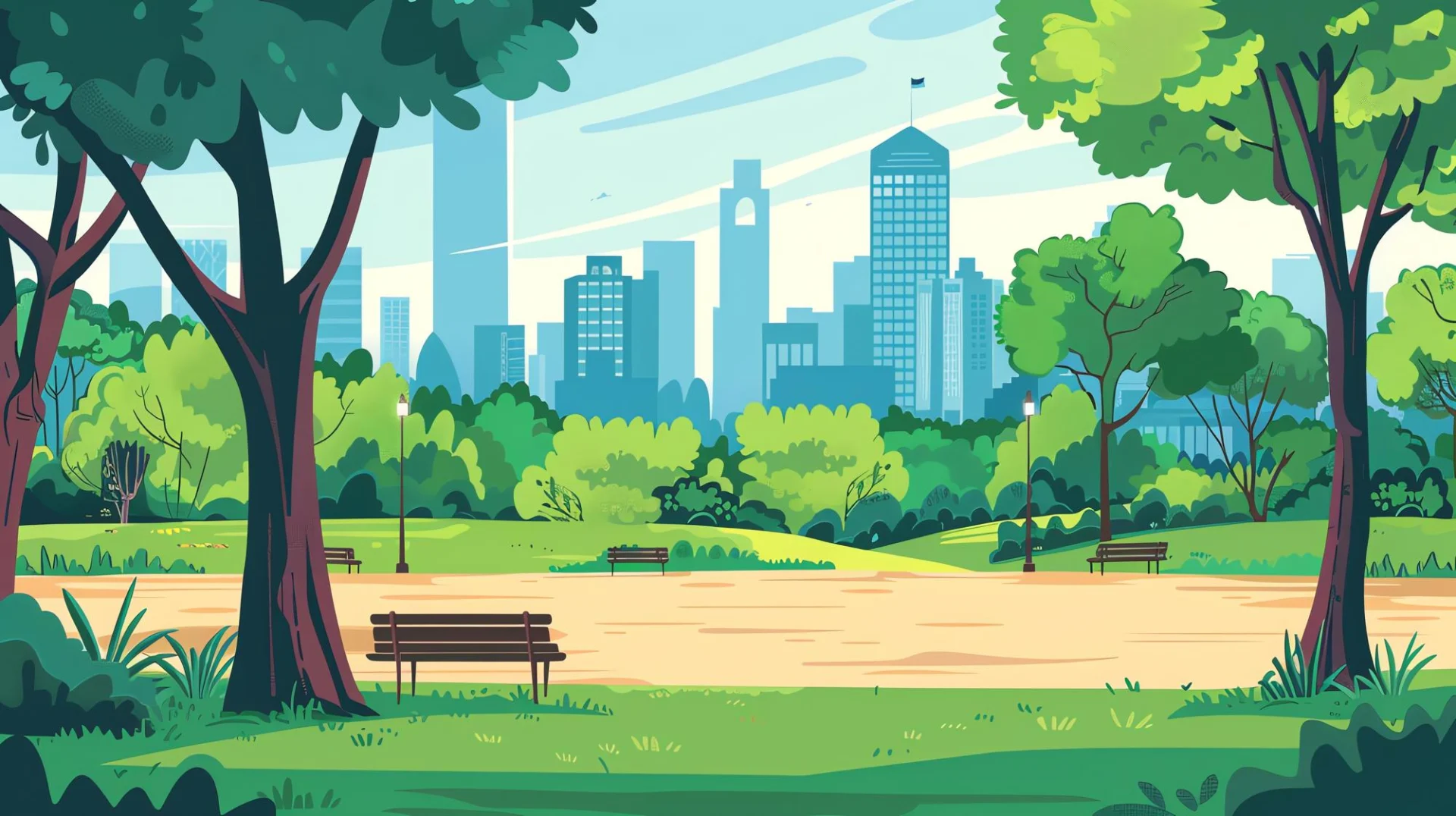
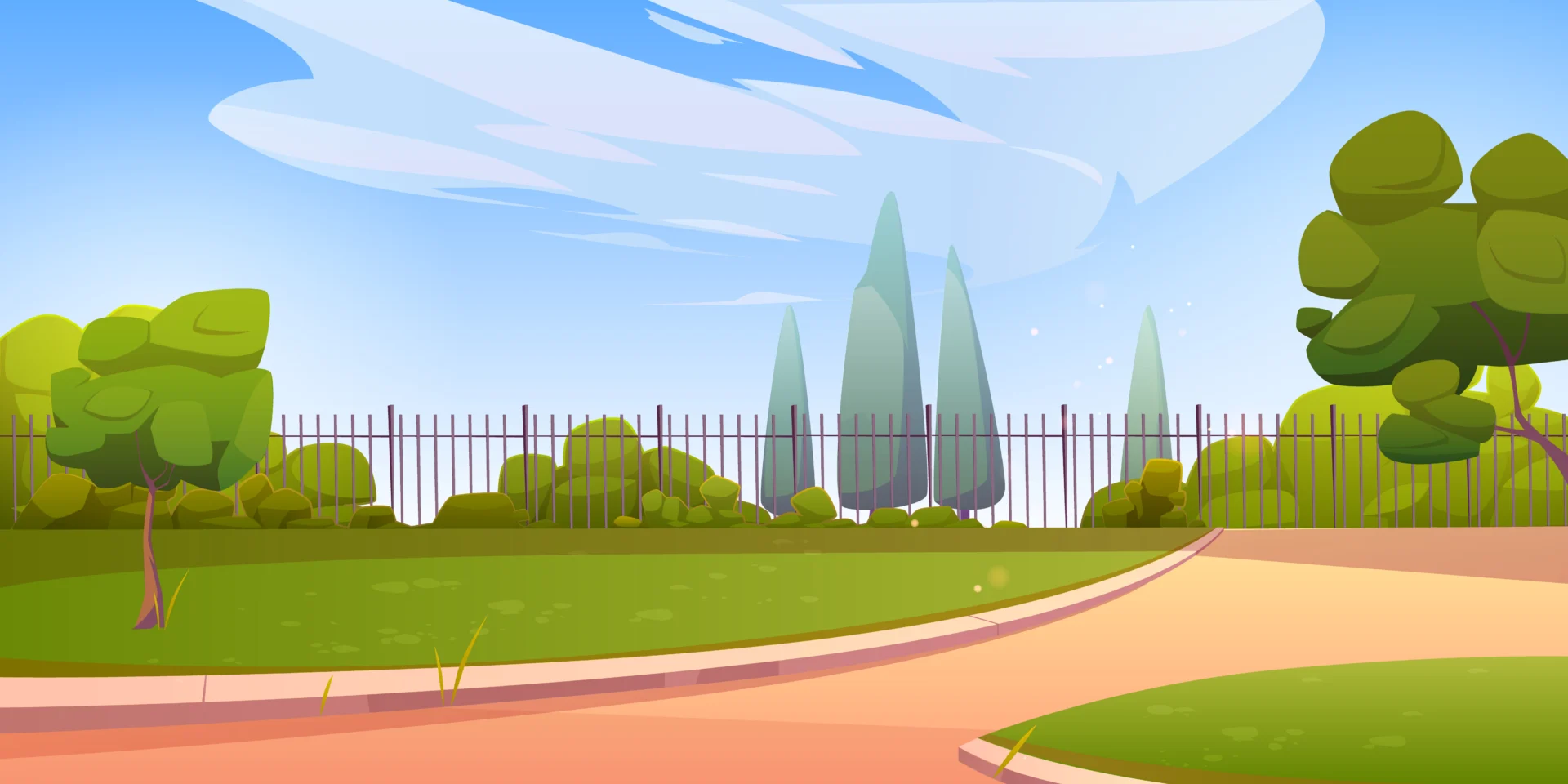
Parks are one of the few public spaces where almost anyone can show up at any time for almost any reason. On any given afternoon you might find a teenager on a skateboard weaving between people while a family nearby spreads out a picnic blanket near the fountain. The park belongs to everyone, and that shared quality is exactly what makes it such a rich setting for vocabulary.
Unlike rooms inside a home, a park is a space students navigate independently. They read signs, follow maps, look for the nearest garbage can, and notice the clock tower to check the time. That independent navigation requires real English, the kind that does not come from a textbook but from actually being out in the world.
The vocabulary of a park also stretches naturally into action and description. A kite does not just exist, it flies and dips and crashes. A fountain does not just stand there, it sprays and reflects light and draws people toward it. Teaching students the nouns is just the beginning. The park gives those nouns something to do.
Ask your students this: “Think about a park you have visited. What did you see and notice around you?” That question opens up not just vocabulary but sensory description, which is one of the more challenging and rewarding areas of English to develop.
The ice cream cart near the entrance, the pond with the ducks just beyond it. These are details that paint a picture, and getting students to paint that picture in English is precisely the point.