Skip to content

Raise Your Hand If You Know These Words

Raise Your Hand If You Know These Words

The Classroom Has Been Teaching You English All Along

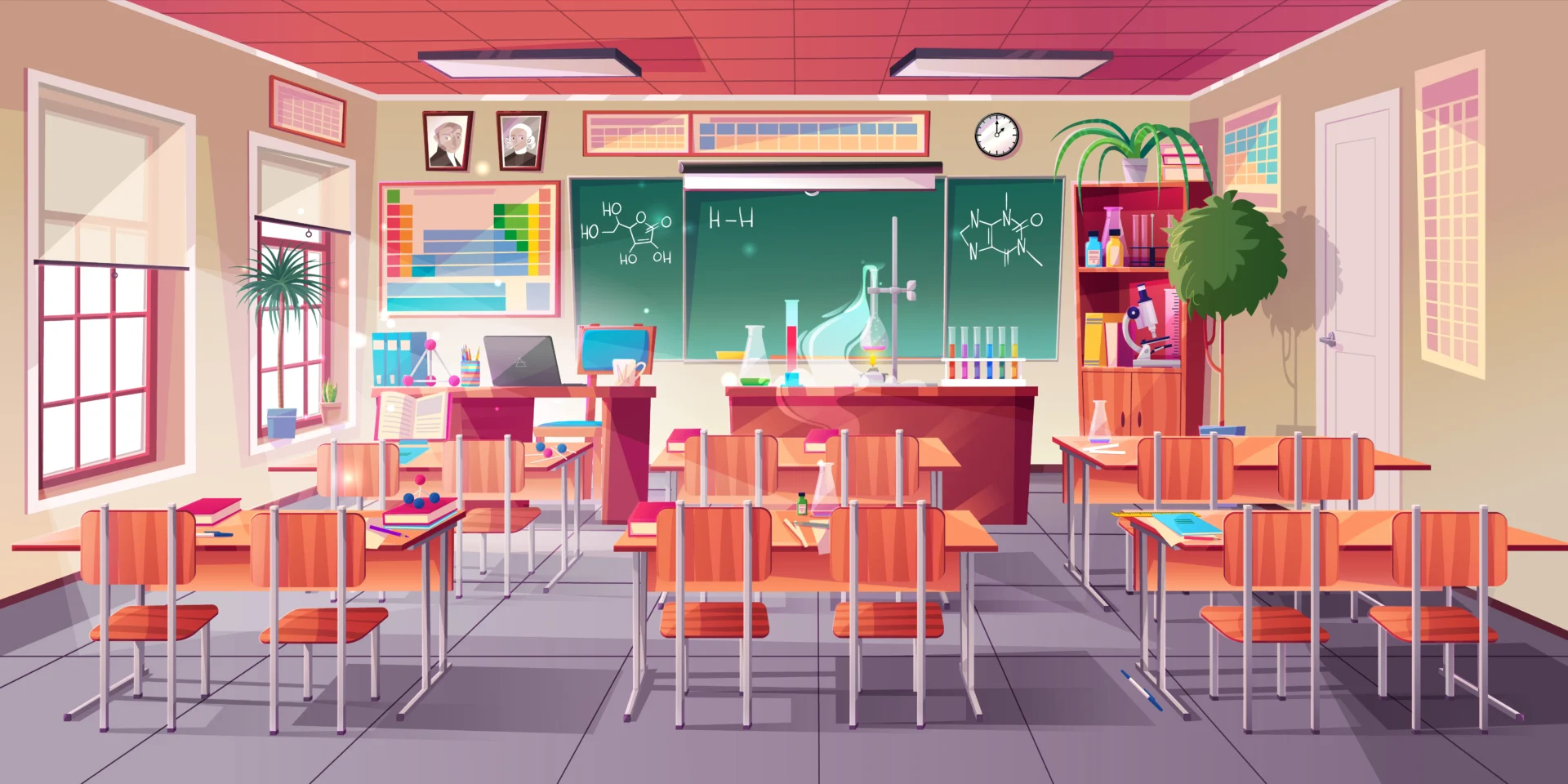
Walk into any classroom anywhere in the world and you will find a familiar scene. A blackboard at the front, rows of desks, a bookshelf along the wall, a globe sitting in the corner collecting dust. The setting is universal, which is exactly what makes classroom vocabulary such a smart place to start with new learners.

Students already know this room. They have spent years in it. That familiarity removes one of the biggest barriers in language learning, which is the anxiety of dealing with something completely unknown. When the environment is familiar, the focus shifts entirely to the words themselves.

Classroom vocabulary is also deeply practical. A student who knows the difference between a pencil case and a backpack, or who can ask for a ruler or an eraser without hesitating, is already functioning in English in a real setting. These are not hypothetical situations. They happen every single lesson.

A question worth trying with your students: “Think back to your school days. Can you describe your classroom in English?” The answers are always revealing. Some students will surprise themselves with how much they already know. Others will hit a wall after three words, and that wall is exactly where the teaching begins.

There is also something worth noting about the projector at the front of the room, the poster on the wall, the coloured pencils in the tray. These are objects that carry associations. Students remember where they were sitting when they learned something important. Tying new vocabulary to those memories makes it stick in a way that a word list simply cannot.

The classroom is a shared reference point that almost every student on the planet has in common. That common ground is rare in language teaching, and it is something worth building on. When students can name the objects around them in English, they stop translating and start thinking. That shift, however small it seems, is one of the most important steps in becoming fluent.
More Weekly Wonders

Pack IDVocabTypeDefinitionUsageImage
1028ChalkNounA small white or coloured stick used to write on a blackboard.She wrote her name with chalk.
1028BlackboardNounA large dark board on the wall where the teacher writes with chalk.The teacher wrote the date on the blackboard.
1028BookshelfNounA piece of furniture with shelves used to store books.He put his books on the bookshelf.
1028Coloured PencilsNounPencils in many different colours, used for drawing and art.He used coloured pencils to draw a rainbow.
1028PosterNounA large printed picture or text hung on the wall.A poster was hung on the wall.
1028ChairNounA seat with a back, for one person to sit on.He sat down on the chair.
1028Pencil CaseNounA small container used to store pens, pencils, and other stationery.She kept her pens in her pencil case.
1028BookNounA set of printed pages held together, used for reading or studying.He picked up the book and started reading.
1028DeskNounA flat table used for reading, writing, or studying.He sat at his desk and opened his book.
1028PencilNounA thin stick with a grey tip used for writing or drawing.She drew a cat with her pencil.
1028PenNounA tool used for writing with ink.He wrote the answers with a blue pen.
1028BagNounA container with handles used to carry your things.He packed everything he needed in his bag before leaving.
1028RulerNounA flat, straight tool used to measure length or draw straight lines.He used a ruler to draw a box.
1028EraserNounA small rubber tool used to remove pencil marks.She used an eraser to fix the spelling mistake.
1028NotebookNounA book of blank or lined pages used for writing notes.She wrote the new words in her notebook.
1028GlobeNounA round model of the Earth.The globe helped the students see where the countries are.
1028ScissorsNounA tool with two blades used to cut.She used scissors to cut out shapes.
1028GlueNounA sticky substance used to join things.We used glue to make a paper flower.
1028BackpackNounA bag with two shoulder straps worn on the back for carrying belongings.She put her backpack on and walked to school.
1028ProjectorNounA machine that shows images, videos, or slides on a wall or screen.The teacher used a projector to show the video.
Pack IDParagraphContent
1028The Last Day of SchoolOn the last day of term, Mr. Harrington's classroom felt different. He stood at the blackboard one final time, wrote "See you next year" in large letters, and smiled at the sea of faces in front of him. Students were already stuffing their coloured pencils and rulers into their pencil cases, the sound of zips and shuffling filling the room. One boy near the back was struggling to force a stack of textbooks into his backpack, which had clearly seen better days. It was a small, ordinary moment, but Mr. Harrington had learned over thirty years of teaching that the small ordinary moments were usually the ones students remembered longest.
1028Let's Talk about ItHow different is a classroom today compared to when you were younger? What has changed the most? Do you think the physical setup of a classroom affects how well students learn? Why or why not? Some students learn better in small groups while others prefer working alone. Which do you prefer and why? If you could redesign a classroom from scratch, what would it look like? Do you think traditional classroom tools like chalk and blackboards still have a place in modern education?
Pack IDImageFile
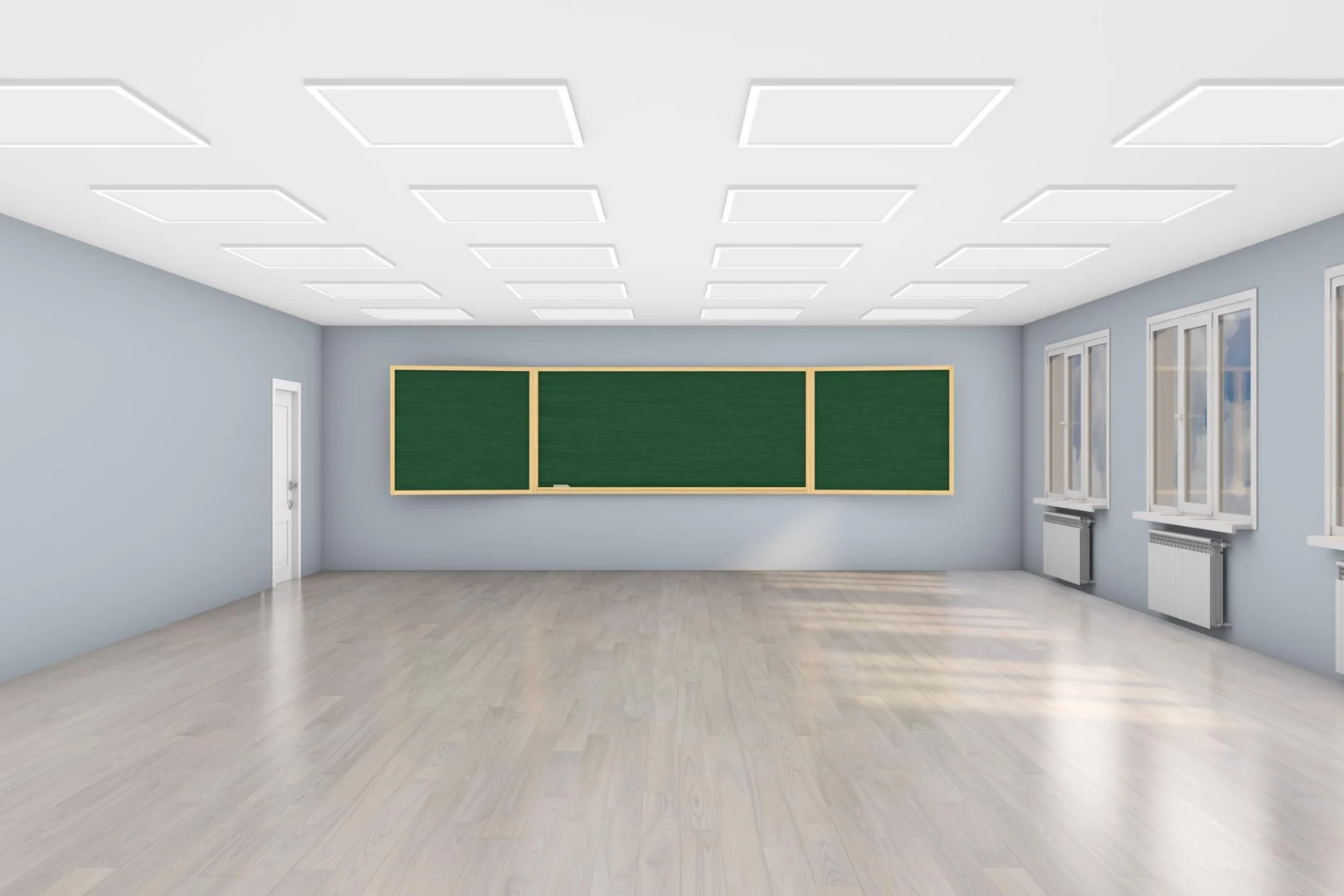
1028Empty Classroom
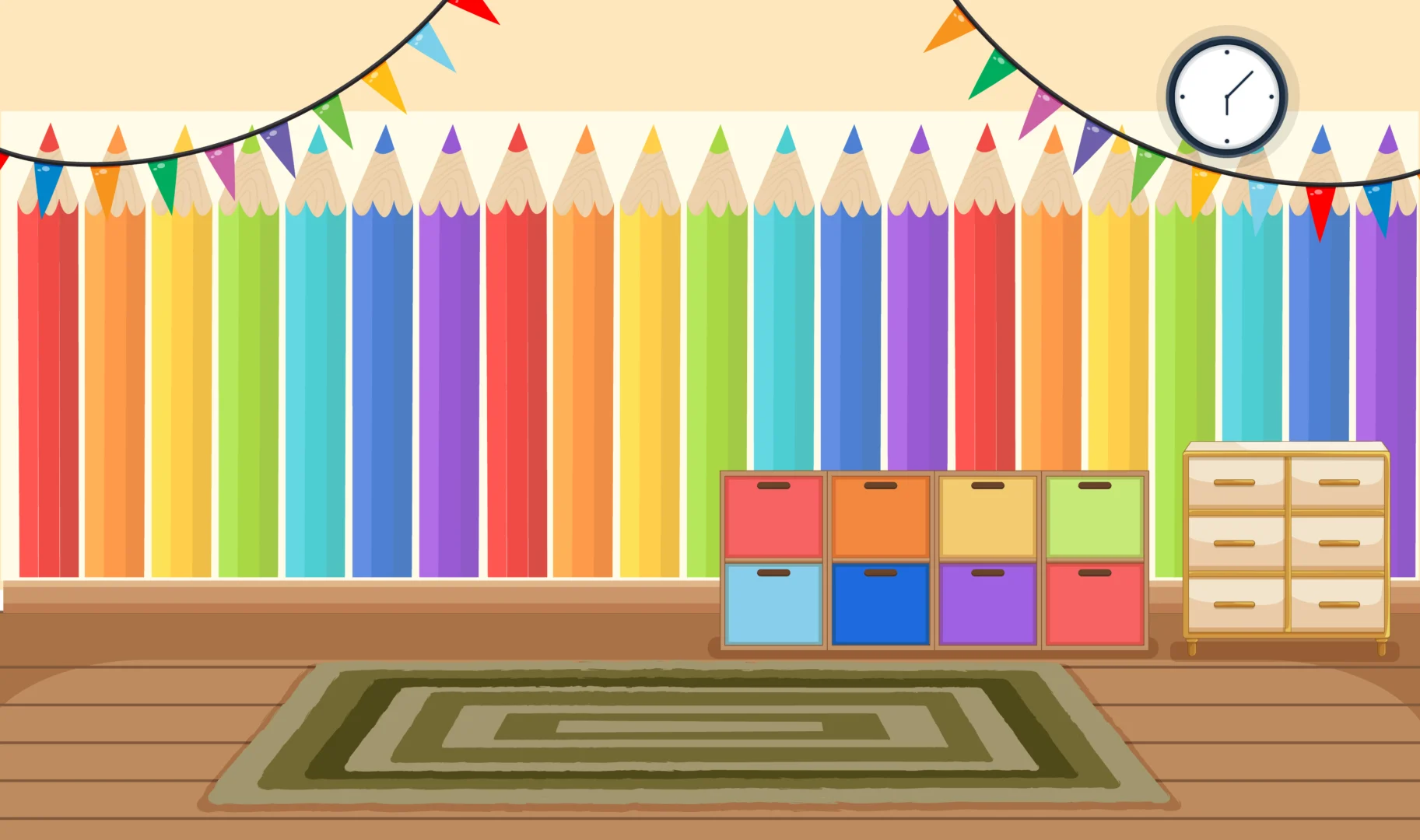
1028Empty Classroom with Pencil Wall
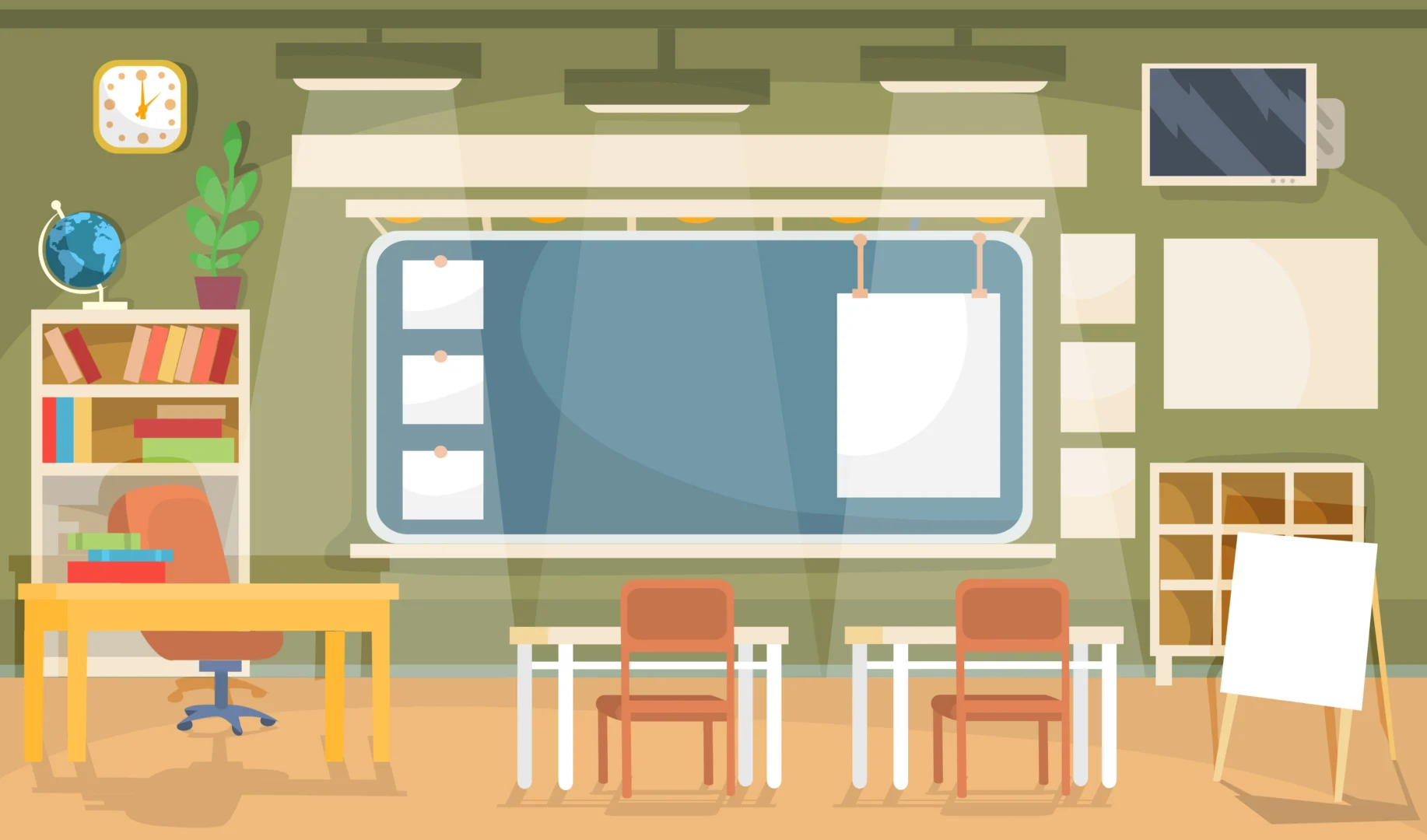
1028Classroom with Whiteboard
1028Science ClassroomRaise Your Hand If You Know These Words

More Weekly Wonders