The Clothes That Tell a Better Story Than the Ones You Actually Wear
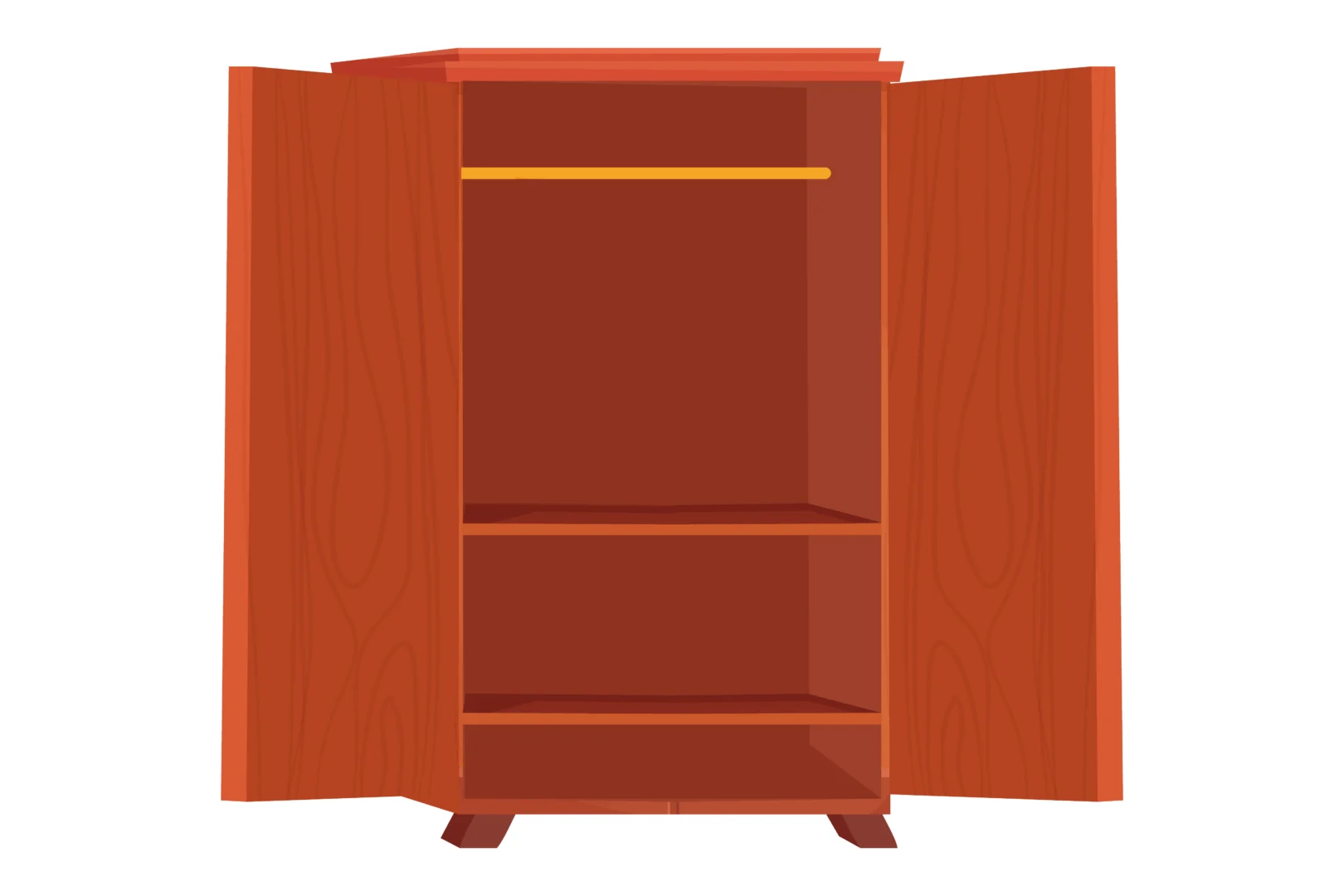
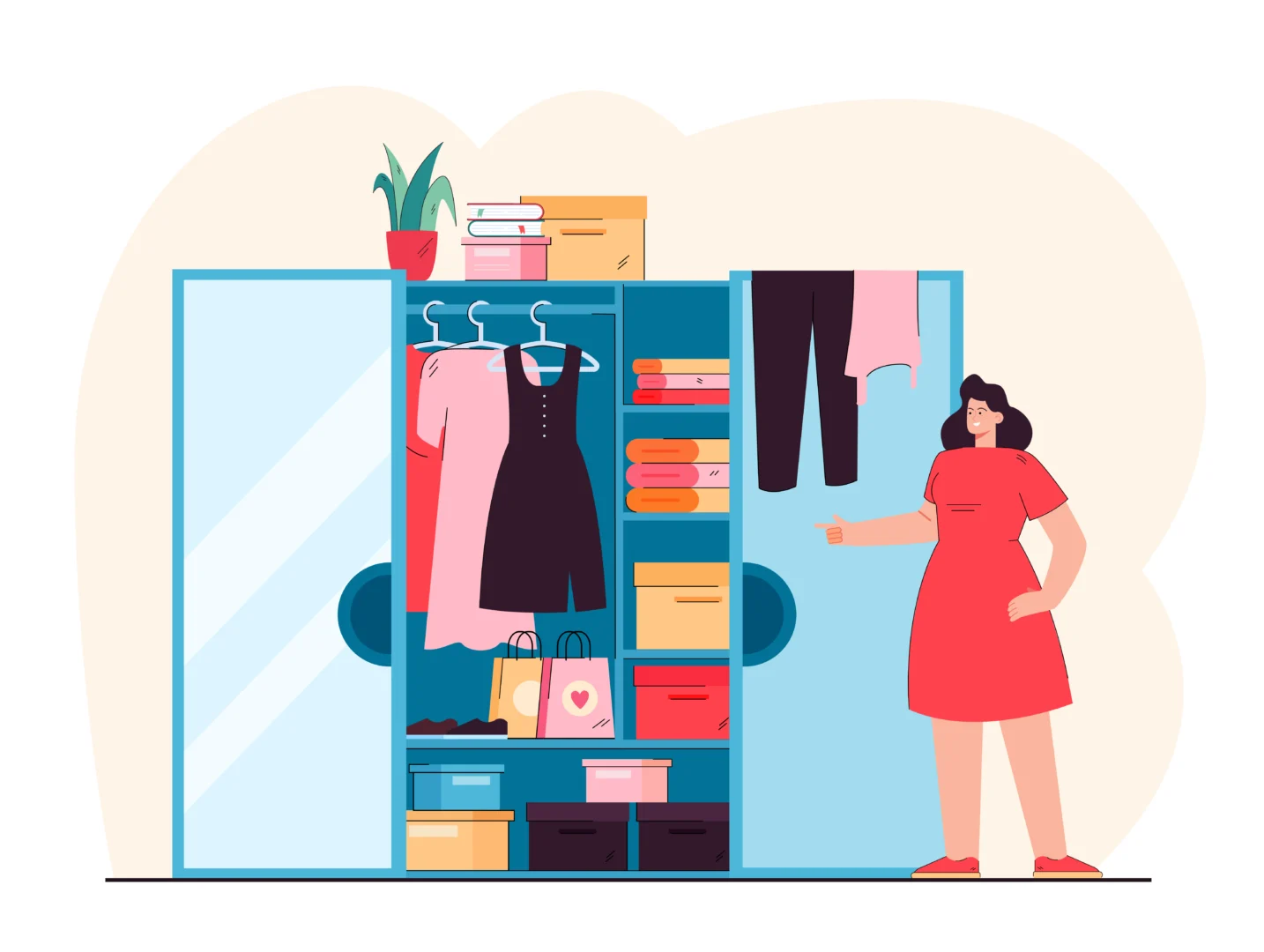
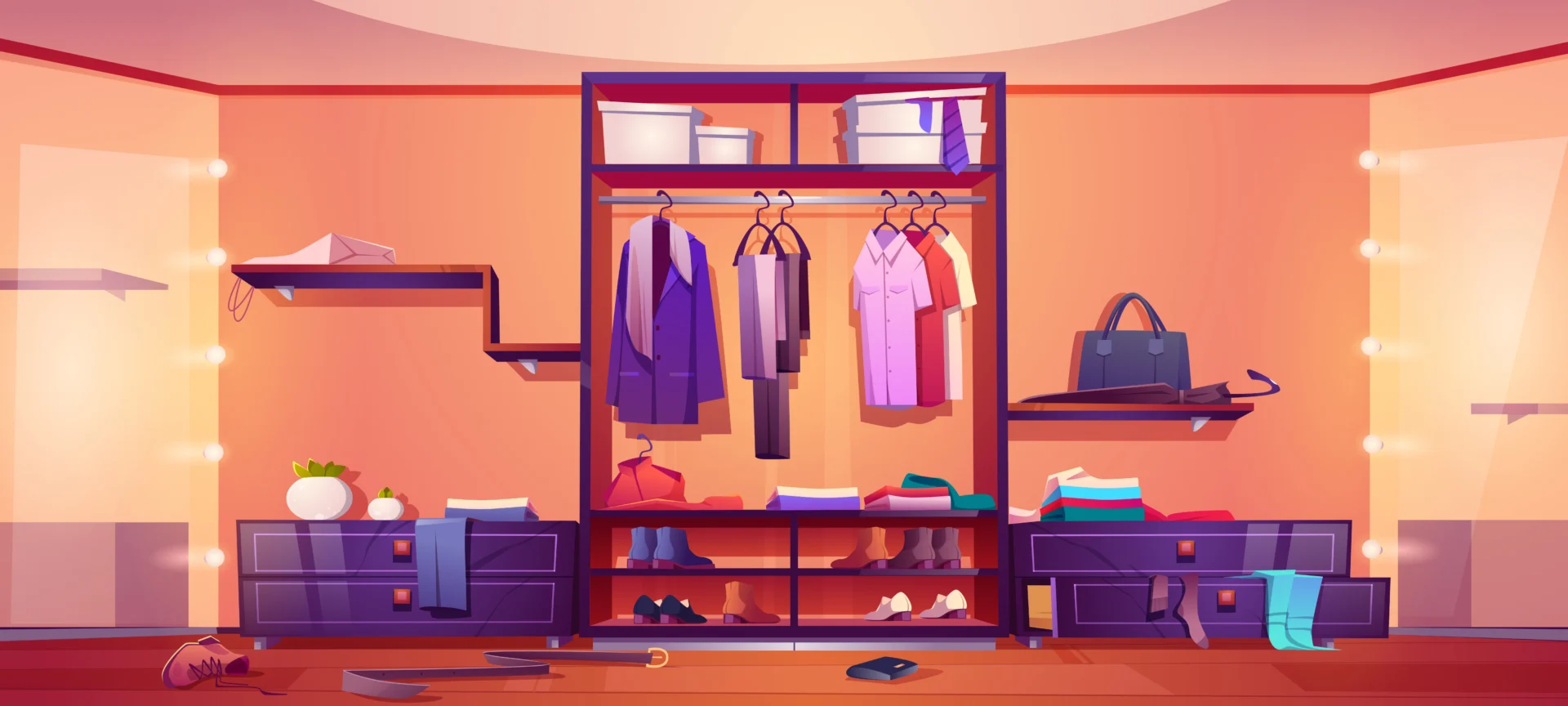
Open any wardrobe and you will find two wardrobes inside it. The one a person actually uses, and the one they keep for reasons they cannot fully explain. The jacket still in its dry-cleaning bag. The boots bought for an occasion that never quite arrived. The dress with the tags still on, pushed to the back behind everything else.
That gap between what someone owns and what someone wears is what makes wardrobe vocabulary so personally engaging for students. A hanger is not just a hanger when it is holding a coat that belonged to someone important. A pair of gloves stuffed into a corner is not just a vocabulary word when a student can tell you exactly which winter they bought them and why they never wore them again.
Climate, culture and occasion all shape what ends up in a wardrobe. A scarf in Montreal in January is a necessity. The same scarf in a different context is a fashion choice. A tie pulled out twice a year tells a different story than one worn every single day. These contrasts give teachers a natural way to explore how clothing vocabulary shifts depending on where and how students live.
A question that tends to unlock surprisingly personal responses: “What is the one item in your wardrobe you have never worn but still cannot bring yourself to throw away?” Students rarely struggle to answer it, and the stories behind those answers are far richer than anything a vocabulary list can produce.
The most interesting thing about a wardrobe is not what is at the front. It is what got pushed to the back, and why it is still there.