Skip to content

The Usual, Please

The Usual, Please

Cosy Corners and the Words That Come with Your Coffee

There is a particular kind of comfort that comes with walking into a café where someone already knows your order. The chalkboard behind the counter has today’s specials written in coloured chalk, and the coffee machine is already humming before you reach the counter. For students learning English, a café is not just a place to sit. It is a script they will use over and over again in real life.

Café vocabulary is conversational by nature. Ordering a coffee, asking for oat milk, checking whether the wifi sign by the door means the password is on the receipt or printed on a card somewhere. These are small interactions, but they happen constantly, and for a student who is still finding their footing in English, navigating them smoothly is a genuine confidence boost.

The loyalty card sitting in a wallet, the disposable cup with a name written slightly wrong on the side, the pastry under the glass dome that a student has been eyeing since they walked in. These details are universally recognizable, and that recognition makes the vocabulary easier to absorb and remember.

Ask your students this: “Do you have a favourite café or coffee shop? What do you always order, and how would you describe it in English?” That question connects vocabulary to personal habit, which tends to produce much more natural and engaged responses than a straightforward vocabulary drill.

There is also something culturally interesting about café etiquette that is worth unpacking with students. Tipping, for example, means something different in a café than it does elsewhere. The tip jar on the counter is a casual invitation, not an obligation, and knowing that distinction helps students feel less anxious about the whole interaction.
More Weekly Wonders

Pack IDVocabTypeDefinitionUsageImage
1035StrawNounA thin tube used to drink cold drinks.She drank her smoothie through a straw.
1035PastryNounA light, flaky baked food such as a croissant or Danish, sold in cafés.He bought a fresh pastry from the counter.
1035TrayNounA flat, shallow container used to carry food and drinks.He carried the plates on a tray.
1035Disposable CupNounA paper or plastic cup designed for single use, often with a lid for carrying drinks.She took her drink in a disposable cup.
1035TeaA hot drink made by pouring boiling water over dried leaves.She sipped her tea slowly while reading.
1035Loyalty CardNounA small card that rewards customers with points or free items after repeat purchases.He used his loyalty card to get a discount.
1035Wi-Fi SignNounA sign showing that free wireless internet is available in the café.The Wi-Fi sign let customers know they could connect to the internet.
1035Coffee MachineNounA machine used to make espresso and other coffee drinks.The barista used the coffee machine to make a latte.
1035Tip JarNounA small jar placed on the counter where customers can leave extra money for staff.He dropped some coins into the tip jar.
1035SandwichNounTwo slices of bread with a filling, eaten as a meal or snack.She ate a sandwich for lunch.
1035MugNounA large, thick cup with a handle used for hot drinks.She wrapped her hands around the warm mug.
1035MenuNounA list of food and drinks available to order in a café.He looked at the menu before ordering.
1035CoffeeA hot, dark drink made from roasted coffee beans.He ordered a coffee to start his morning.
1035MilkNounA white liquid that comes from cows, used as a drink or added to food and beverages.He drank a glass of milk before bed.
1035CakeNounA sweet food made from flour, sugar, and eggs, often for celebrations.They had a big cake for the wedding.
1035SugarNounA sweet, white or brown substance added to drinks and food.She put sugar in her tea.
1035NapkinNounA small piece of cloth or paper used to wipe your mouth.She wiped her mouth with a napkin.
1035ReceiptNounA piece of paper that shows what you bought and how much you paid.Please keep the receipt for your records.
1035ChalkboardNounA dark board used for writing with chalk.She wrote the message on the chalkboard.
1035ApronNounA piece of clothing worn over the front of the body to protect clothes while working.He put on an apron to keep his clothes clean.
Pack IDParagraphContent
1035A Regular Kind of MorningDeclan had been coming to the same café for three years, long enough to know that the coffee machine behind the counter made a specific grinding noise when it needed descaling and that nobody on staff ever seemed to notice. He unfolded his jacket, draped it over the chair, and scanned the wifi sign on the wall out of habit rather than need. The young barista, still adjusting her apron, handed him his loyalty card back with a small smile and told him one more stamp and his next coffee was free. He paid, tucked the receipt into his pocket without looking at it, and opened his laptop. It was, by any measure, an ordinary morning. He would not have traded it for anything.
1035Let's Talk about ItHave you ever felt nervous ordering food or drinks in English? How did you handle it? Some people spend hours working or studying in cafés. Do you think that is fair to the business owner? Do you like talking to the person who serves you at a café? Do you like sitting inside or outside at a café? What is your favourite snack to have with a drink at a café?
Pack IDImageFile
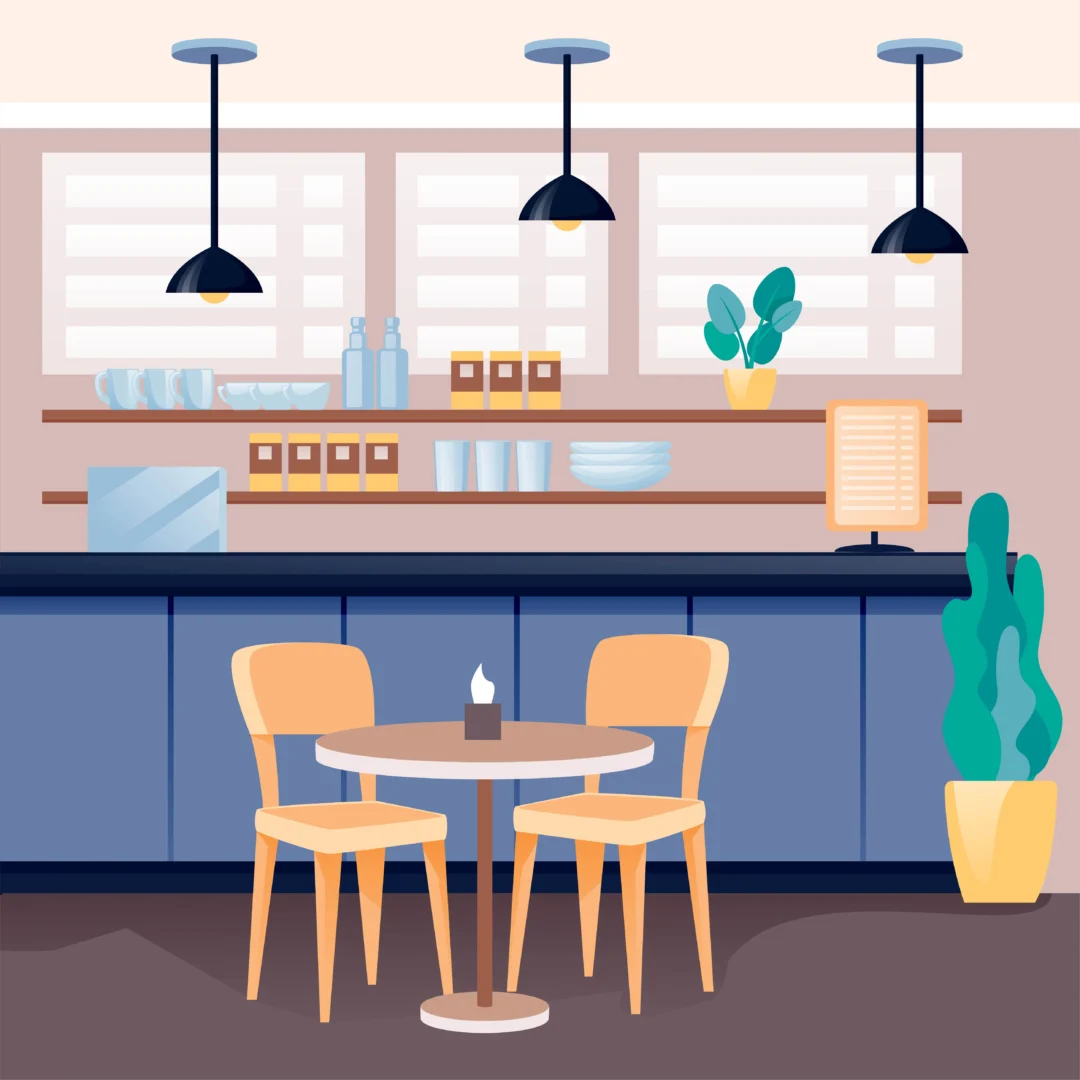
1035Empty Café
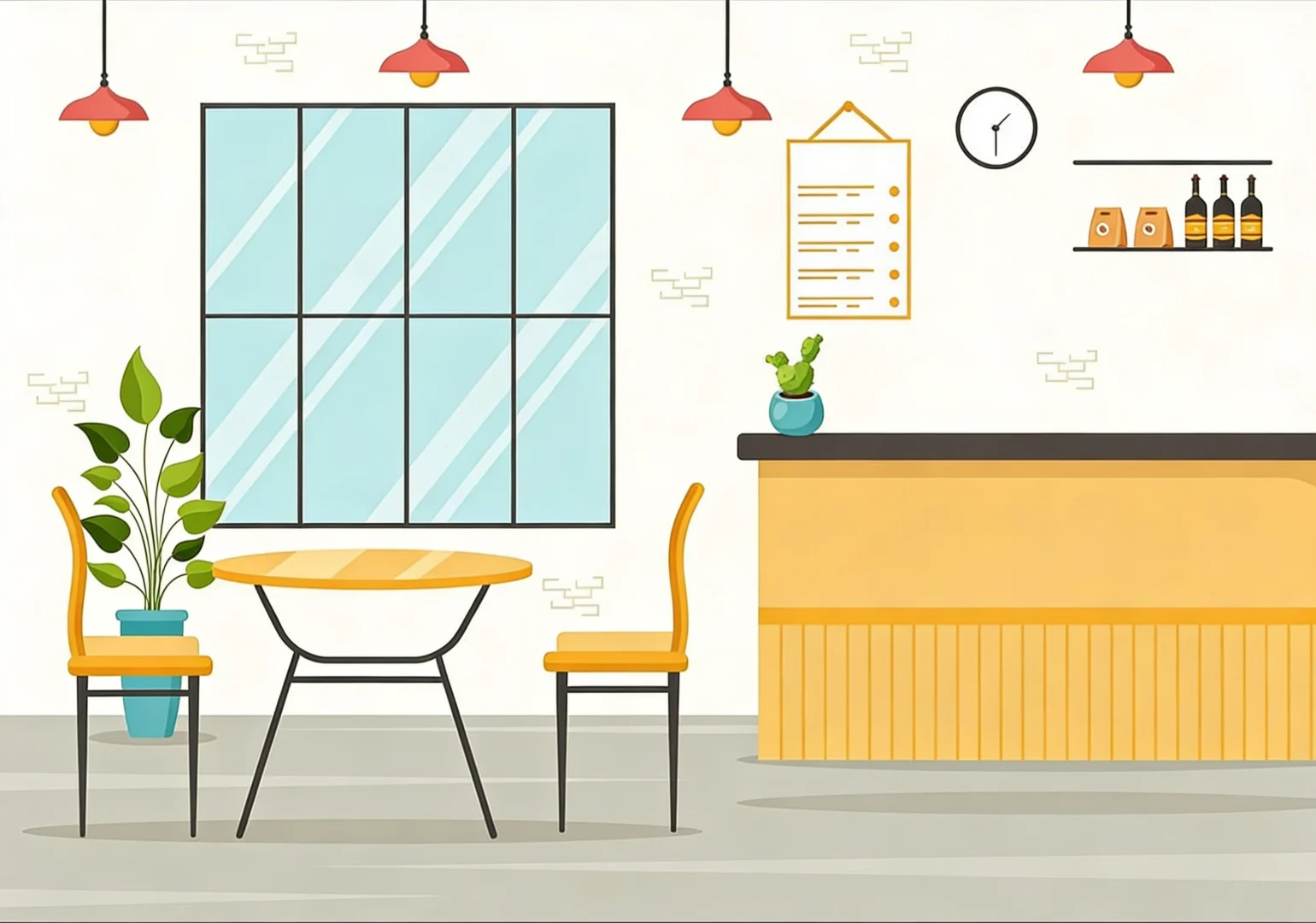
1035Empty Café with Counter
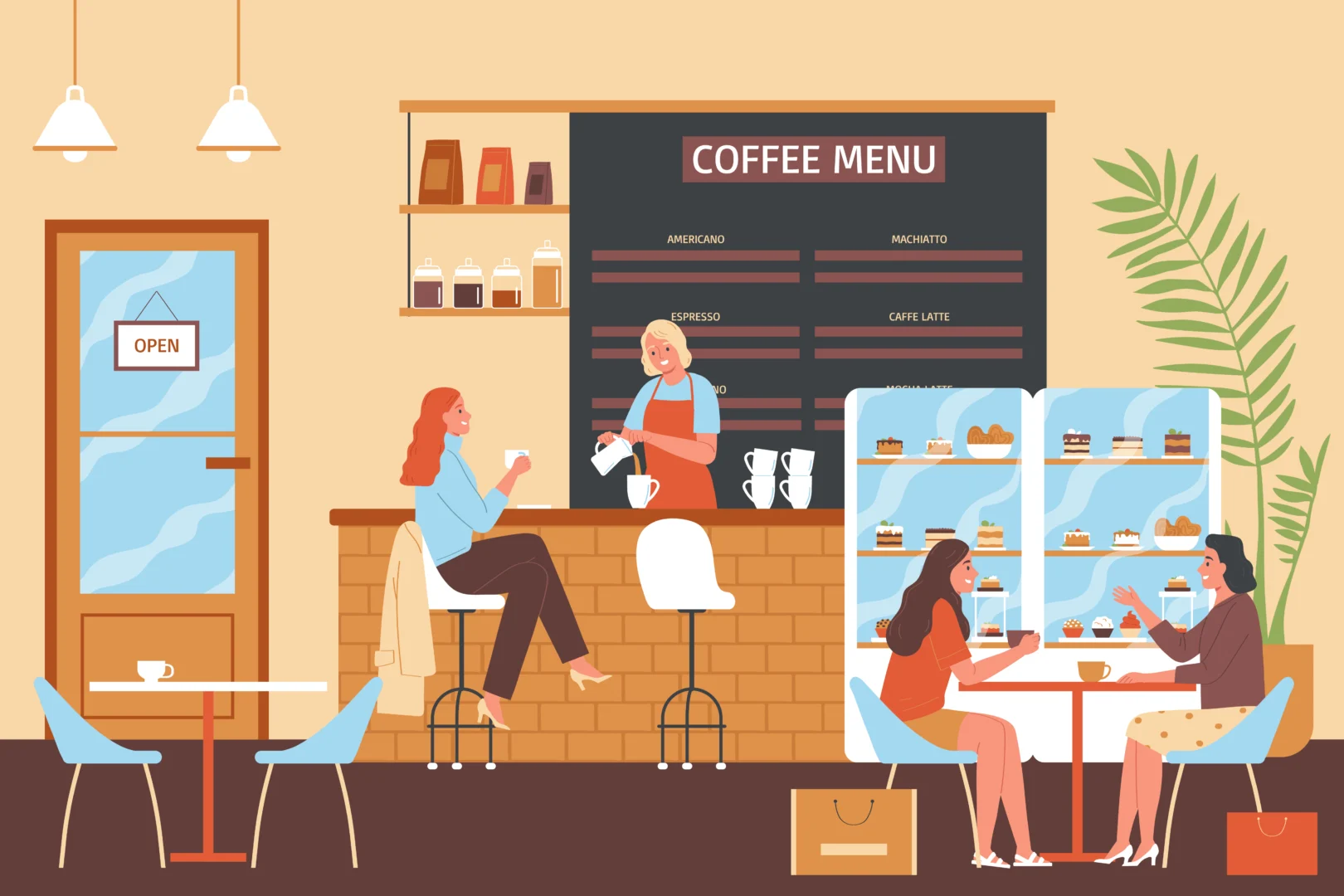
1035Empty Café with Menu Board
1035Café with Barista
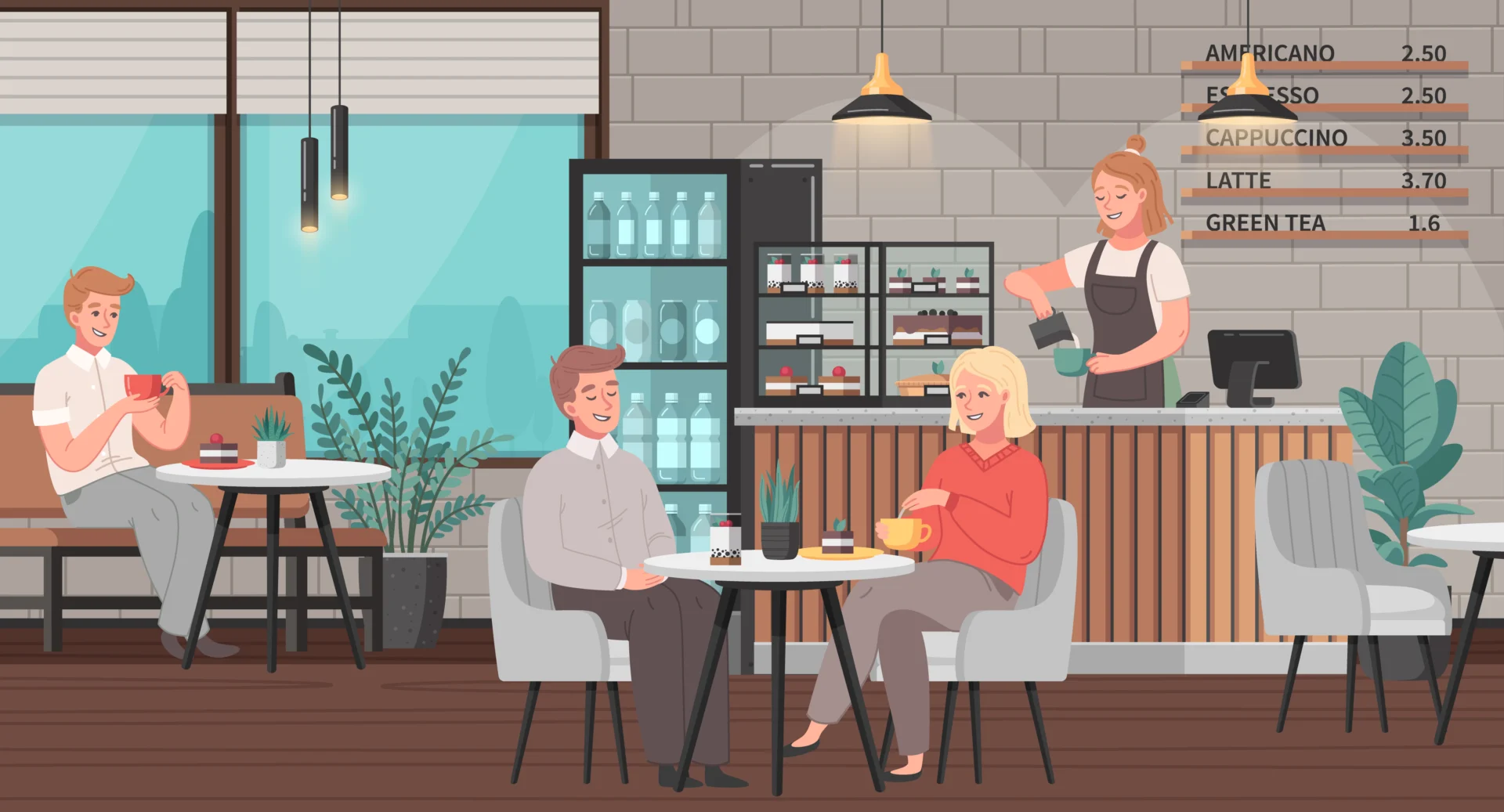
1035Busy CaféThe Usual, Please

More Weekly Wonders