Skip to content

Do Not Touch the Display Case

Do Not Touch the Display Case

Read the Plaque Before Moving On

Walking into a museum is one of the few times in daily life when slowing down is not just acceptable but expected. There are no transactions to rush through, just objects and the stories attached to them.

For students learning English, a museum presents a very specific kind of language challenge. The information board next to a fossil does not use the same register as a conversation at a coffee shop, and the audio guide speaks in complete, carefully constructed sentences that assume a certain level of comprehension. A museum asks more of its visitors linguistically than almost any other public space, and that demand is worth preparing students for.

There is also something interesting about the physical layout of a museum. A rope barrier tells you where you cannot go, and a spotlight draws your eye toward what matters most. Together these objects form a visual communication system that students need to be able to read, and knowing their names is the first step toward reading it fluently.

Something worth trying with your class: “If you could take one artifact home from any museum in the world, what would it be and why?” It is a question with no wrong answer, but getting to the right vocabulary to describe the object and explain the choice is where the real learning happens.

A museum visit leaves its mark in small ways that students often do not think to describe in English. That gap, between experiencing something and being able to talk about it, is exactly what this vocabulary fills. A student who can navigate a museum in English, from the entrance to the souvenir shop, has crossed into a level of cultural fluency that goes well beyond the objects on display.

More Lesson Starters

Pack IDVocabTypeDefinitionUsageImage
1047ExhibitionNounA public display of artworks or objects arranged for people to view.The museum opened a new exhibition last week.
1047Display CaseNounA glass box used to protect and show small objects or artifacts.The diamond necklace was kept inside a display case.
1047ArtifactNounAn old object made by humans, displayed in a museum for historical interest.The artifact was over a thousand years old.
1047FossilNounThe preserved remains of an ancient plant or animal found in rock.Scientists discovered a dinosaur fossil in the desert.
1047SculptureNounA three-dimensional artwork or figure made from stone, metal, or clay.The marble sculpture stood tall at the center of the room.
1047Information BoardNounA large board with facts and descriptions about the exhibits on display.She read the information board to learn more.
1047TapestryNounA heavy piece of cloth with pictures or patterns woven into it, hung on a wall.A large tapestry of a hunting scene hung on the stone wall.
1047FrameNounA border made of wood or metal that surrounds and holds a painting or photo.He hung the painting in a wooden frame.
1047Donation BoxNounA box where visitors can leave money to support the museum.She dropped a coin into the donation box.
1047Audio GuideNounA device you hold to your ear that gives recorded information about exhibits.She listened to the audio guide as she walked through the gallery.
1047Rope BarrierNounA rope hung between posts used to keep visitors away from artworks.Visitors stayed behind the rope barrier to protect the artwork.
1047SpotlightNounA strong light directed at a specific object or artwork to highlight it.A spotlight illuminated the ancient mask.
1047PlaqueNounA flat piece of metal or stone fixed to a wall with information about an artwork or exhibit.A plaque beside the statue gave details about its history.
1047Parking LotNounAn area where vehicles can be parked.They left the car in the parking lot before visiting the museum.
1047Gift ShopNounA small shop where visitors can buy gifts and mementos.They bought gifts at the gift shop.
1047PhotographNounA picture taken with a camera.The photograph shows their family vacation.
1047TicketNounA paper or card that lets you travel or enter a place.I bought a ticket for the train.
1047StatueNounA model of a person or animal.She stopped to take a photo of the statue.
1047Security CameraNounA camera fixed to the ceiling used to watch over a building or space.A security camera was mounted in the corner of the room.
1047PotteryNounObjects made from clay that have been shaped and baked, such as bowls or vases.She made a new vase in her pottery class.
Pack IDParagraphContent
1047One More Room Before We Leave Priya had already spent two hours in the museum but could not bring herself to leave without seeing the final gallery. She put her audio guide in, pressed play, and stopped in front of a fossil that turned out to be older than she could properly imagine. Further along, a rope barrier separated visitors from a glass case holding the exhibition's most significant artifact, a small carved figure with a spotlight trained directly on it. Priya stood there longer than she planned to. On the way out she stopped at the souvenir shop, told herself she was just browsing, and left with a bag.
1047Think and Discuss (List)Have you ever visited a museum that really stayed with you? What made it memorable? How often do you visit museums? Have you ever touched something in a museum you were not supposed to? Would you rather explore a museum alone or with someone else? How does the experience differ? What would you put in a museum about your town or city?
Pack IDImageFile
1047Empty Museum Hall
1047Empty Museum Room
1047Empty Museum with Frames
1047Museum with Dinosaur
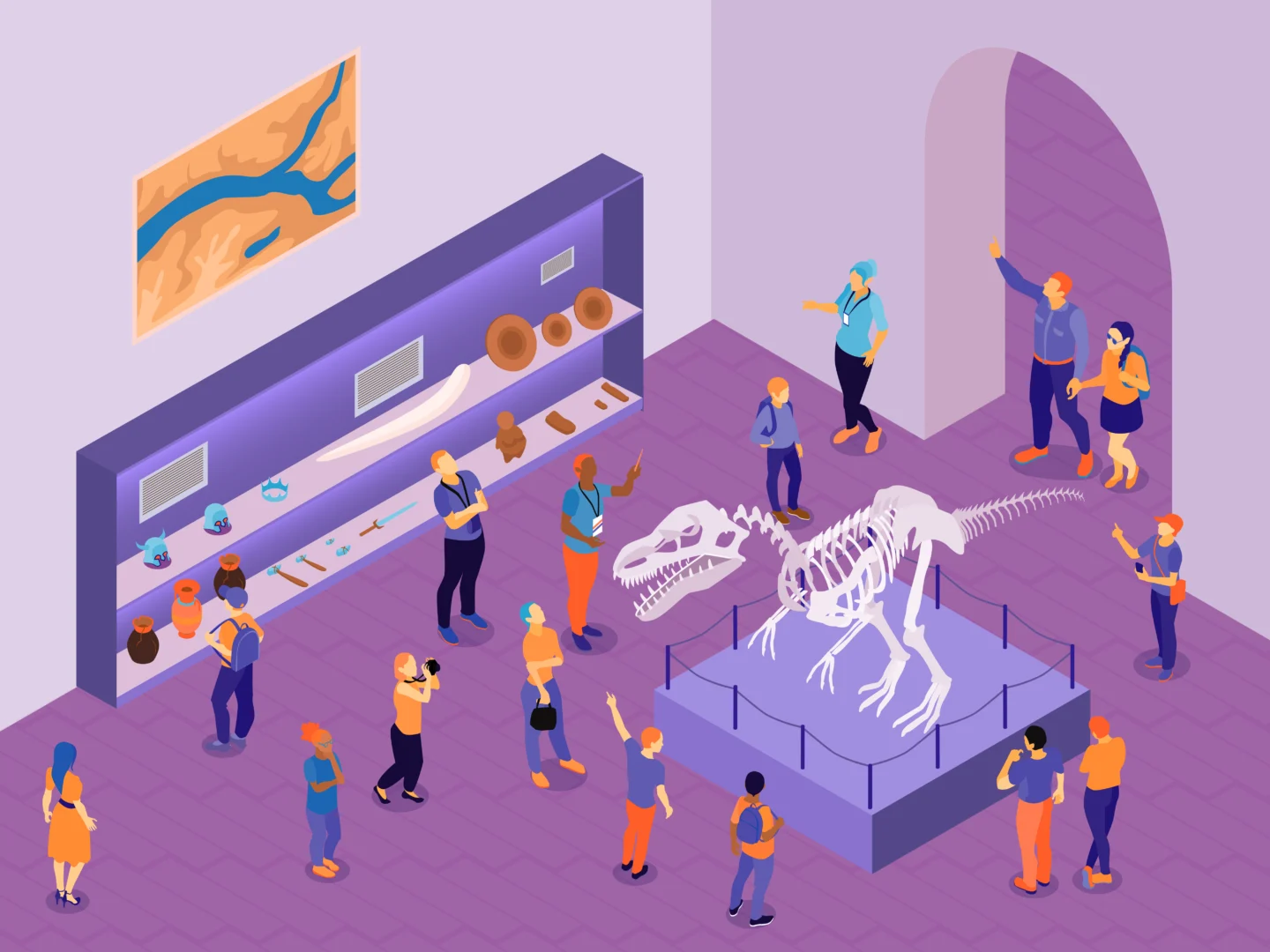
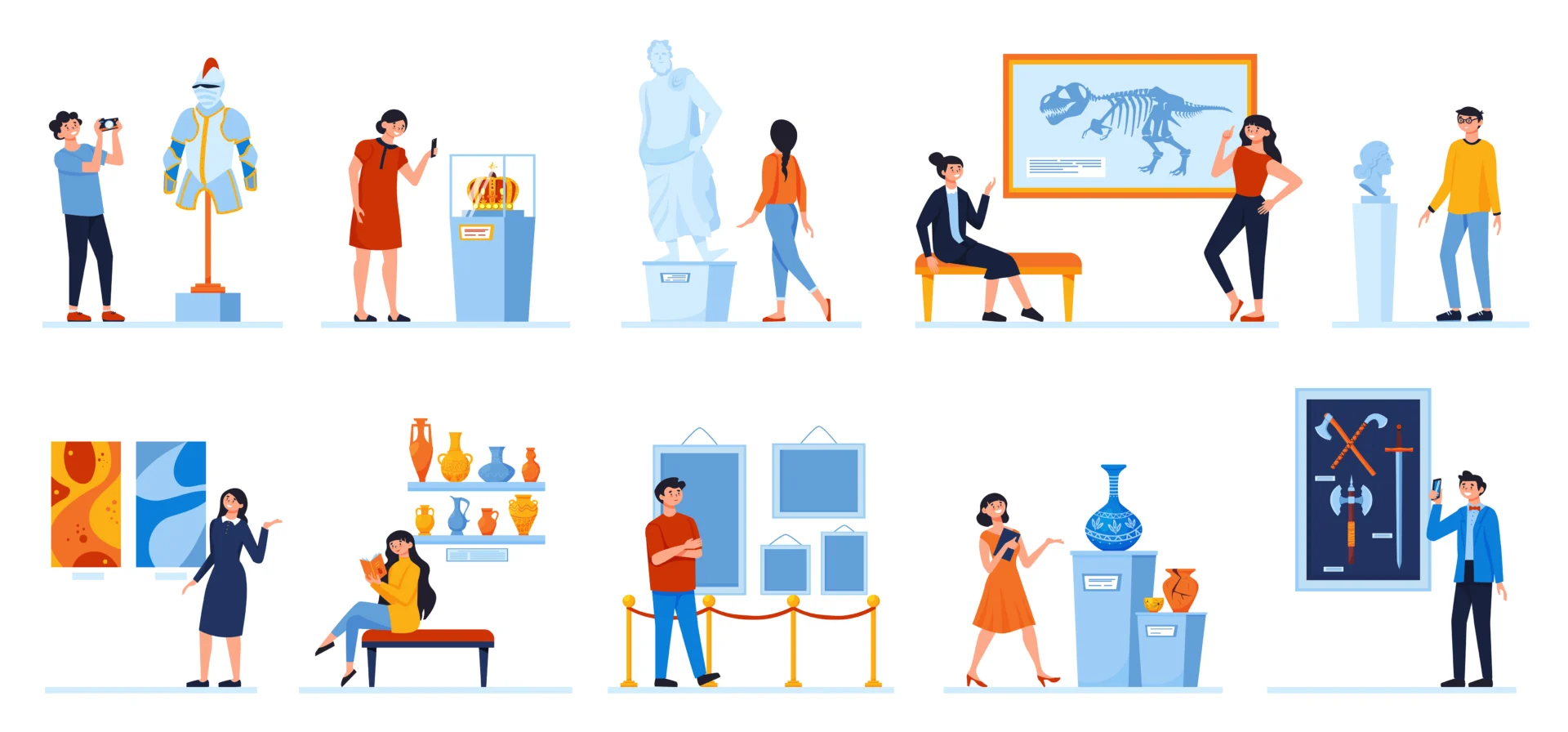
1047Museum Visitors
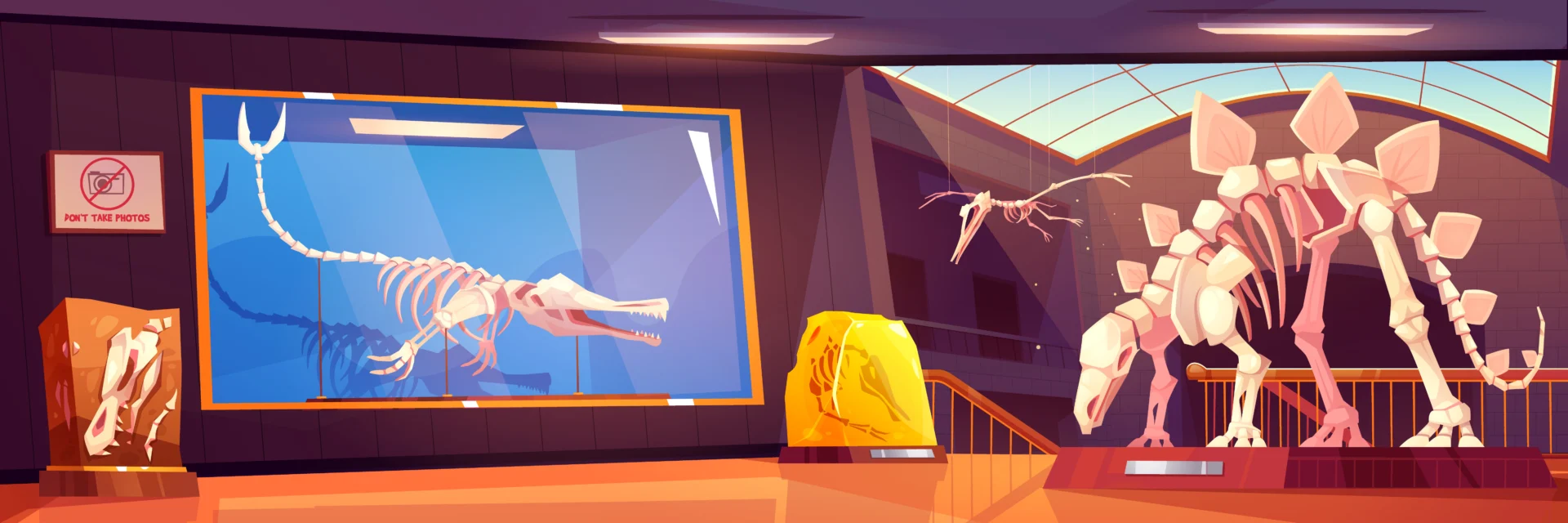
1047Museum Dinosaur HallDo Not Touch the Display Case

More Weekly Wonders