Comfortable Chaos, Cushions, and Conversation
If the bedroom is personal and the kitchen is practical, the living room is where everything comes together. It is where families gather, where friends catch up, where a quiet evening with a throw blanket and a good book feels like a reward after a long day. For students learning English, it is also one of the most vocabulary-rich environments imaginable.
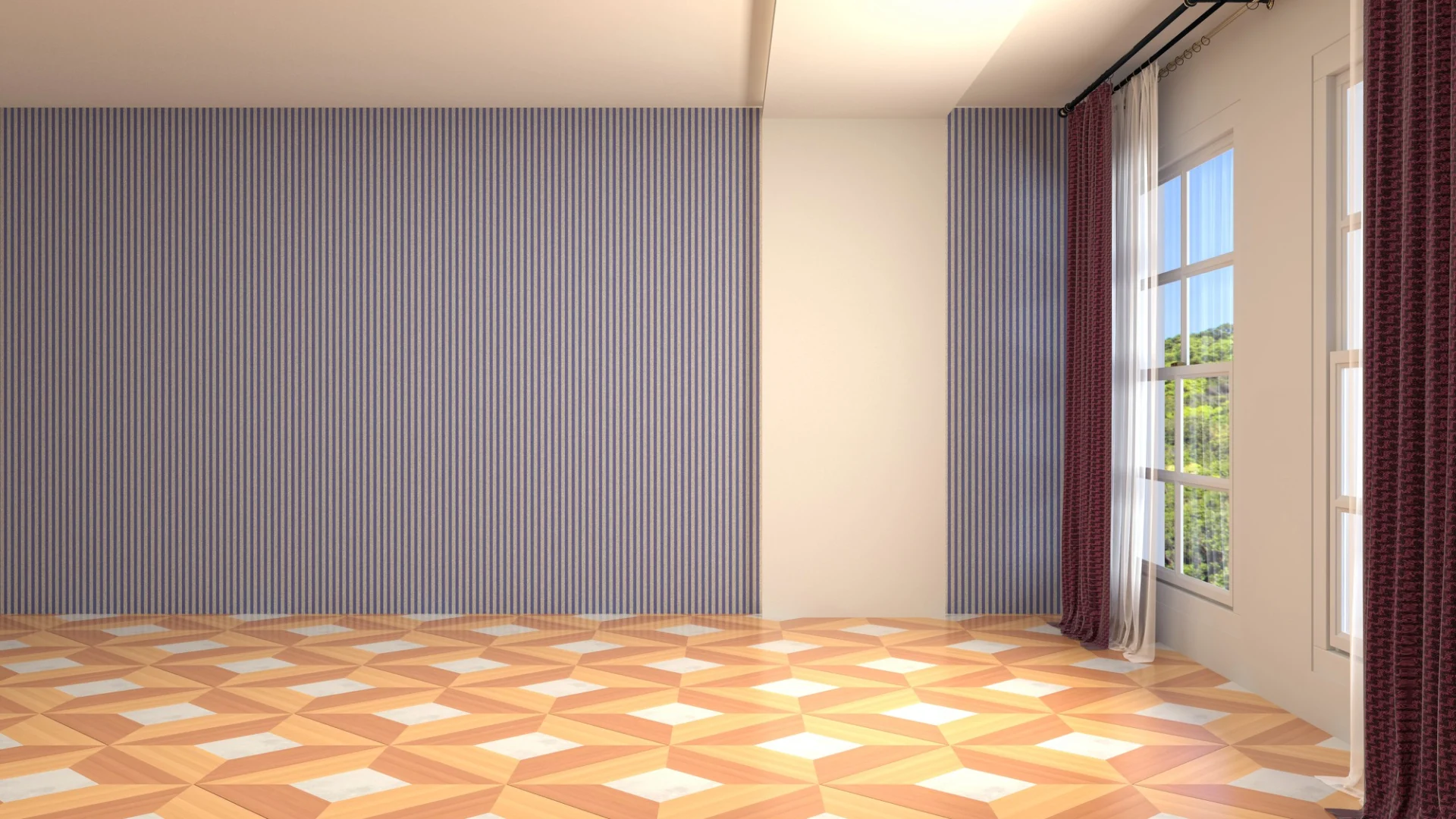
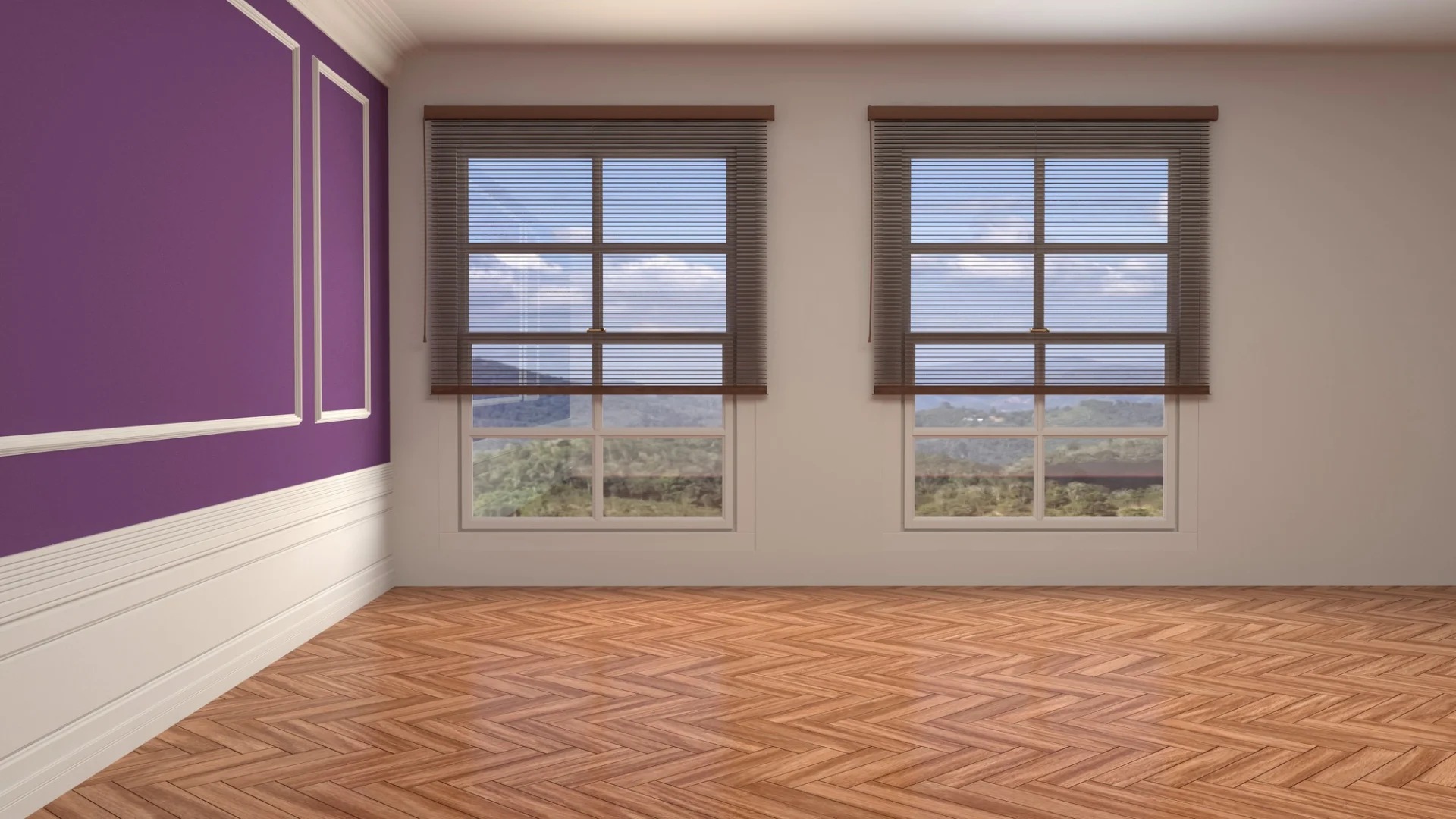
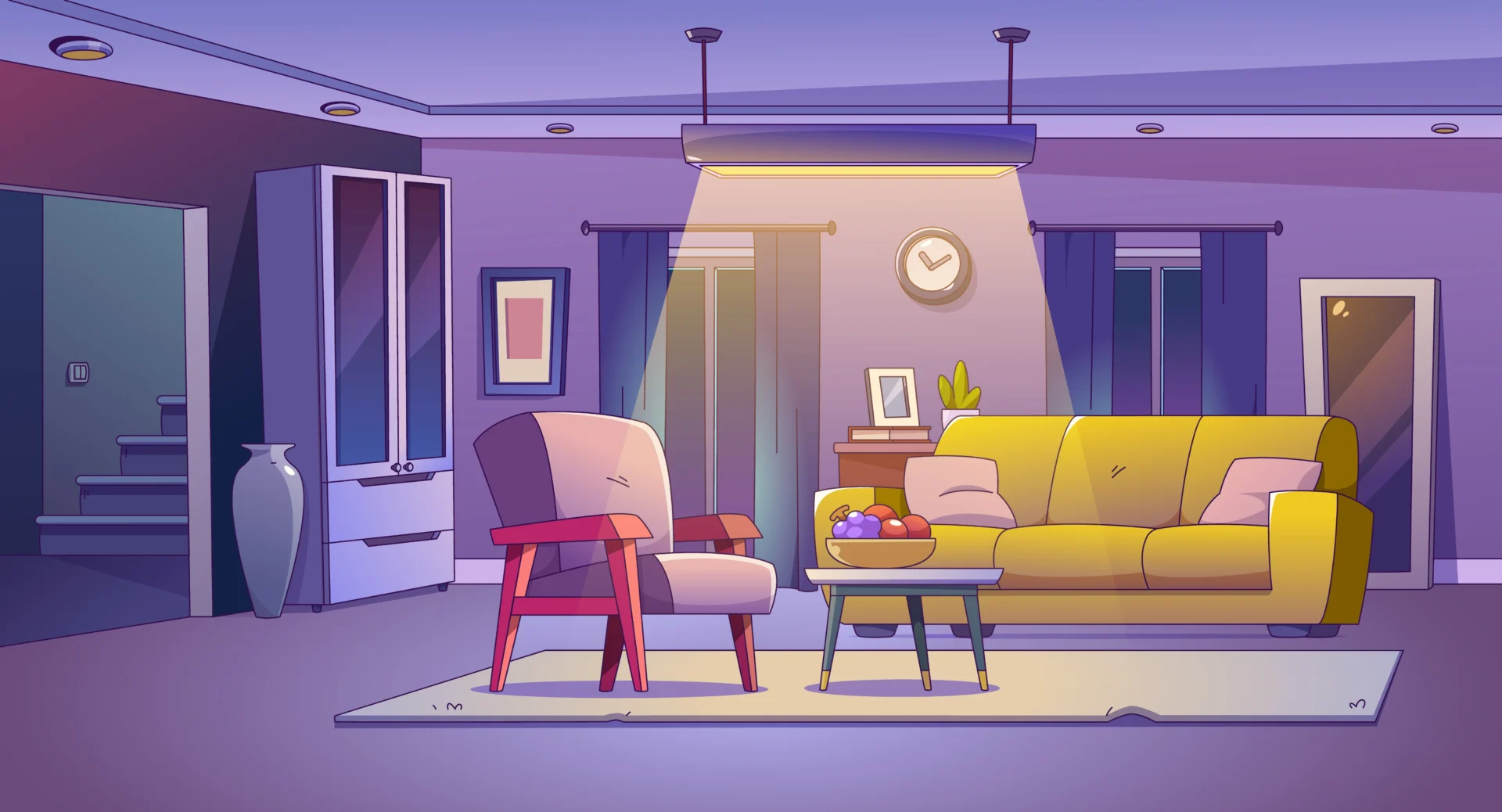
The objects in a living room tell a story. A game console by the television says something about who lives there. A stack of magazines on the coffee table, a worn armchair in the corner, blinds half-drawn against the afternoon sun. Every detail is a word, and every word connects to a moment students have actually lived.
What makes living room vocabulary particularly useful is how naturally it flows into conversation about preferences, habits, and opinions. Ask your students this: “If you could only keep three things in your living room, what would they be and why?” There is no wrong answer, but the discussion that follows will push students to use descriptive language, express opinions and justify their choices, all without it feeling like a structured exercise.
The living room is also where culture shows up in interesting ways. In some homes, the fireplace is the centerpiece of the room. In others, the television dominates everything. The remote control is either shared peacefully or fought over constantly. These are universally relatable situations, and that relatability is a powerful hook for getting students engaged and talking.
Beyond individual objects, the living room is a space that students can visualize clearly and describe in detail. That ability to picture something while speaking is one of the most underrated skills in language learning, and this room gives teachers a very natural way to practise it.