The Enclosure Is Only Half the Story
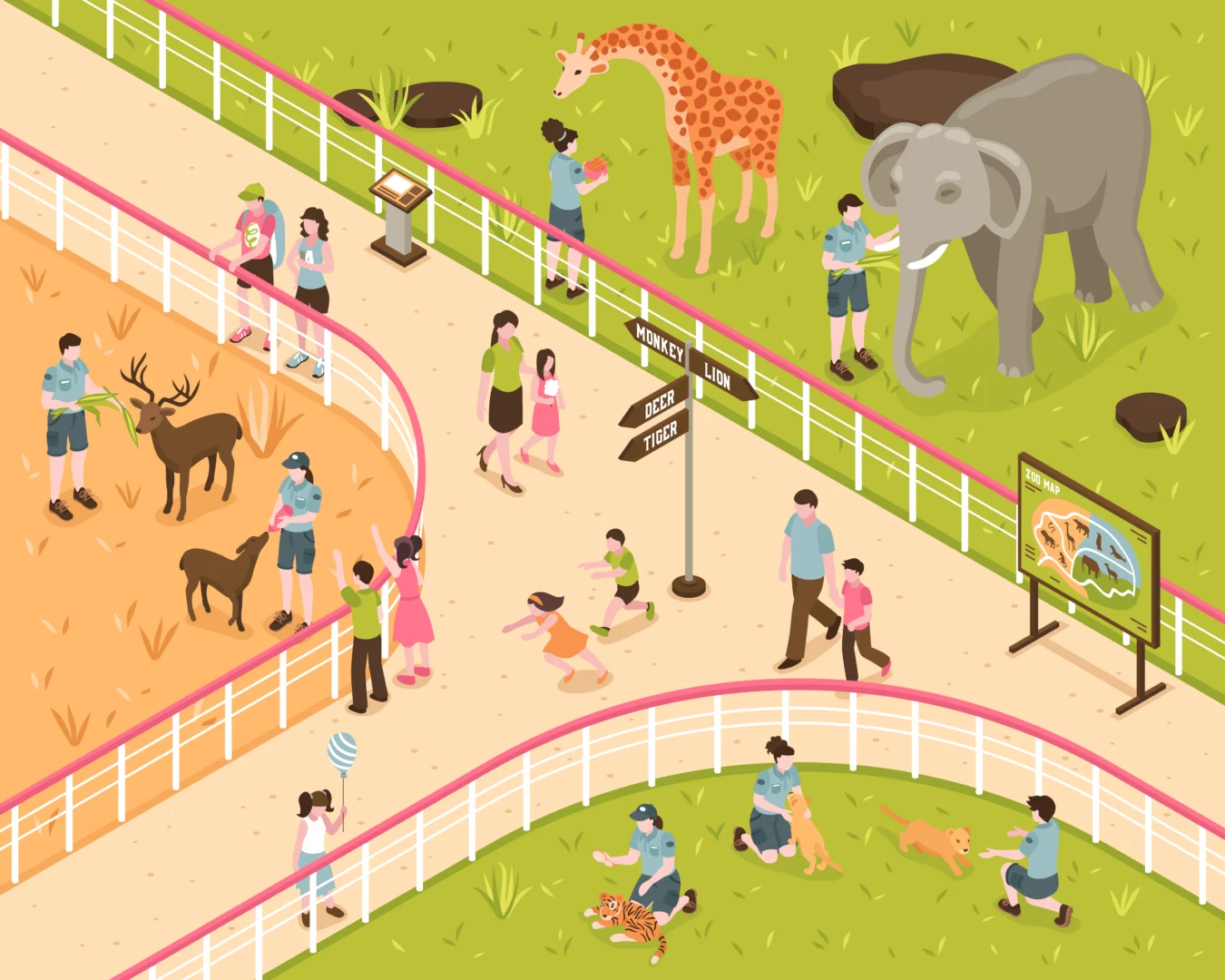
A zoo is one of the few places where standing three metres from a giraffe and reading about its diet on an information board can happen at exactly the same moment. That combination of spectacle and explanation separates a zoo visit from any other outdoor experience.
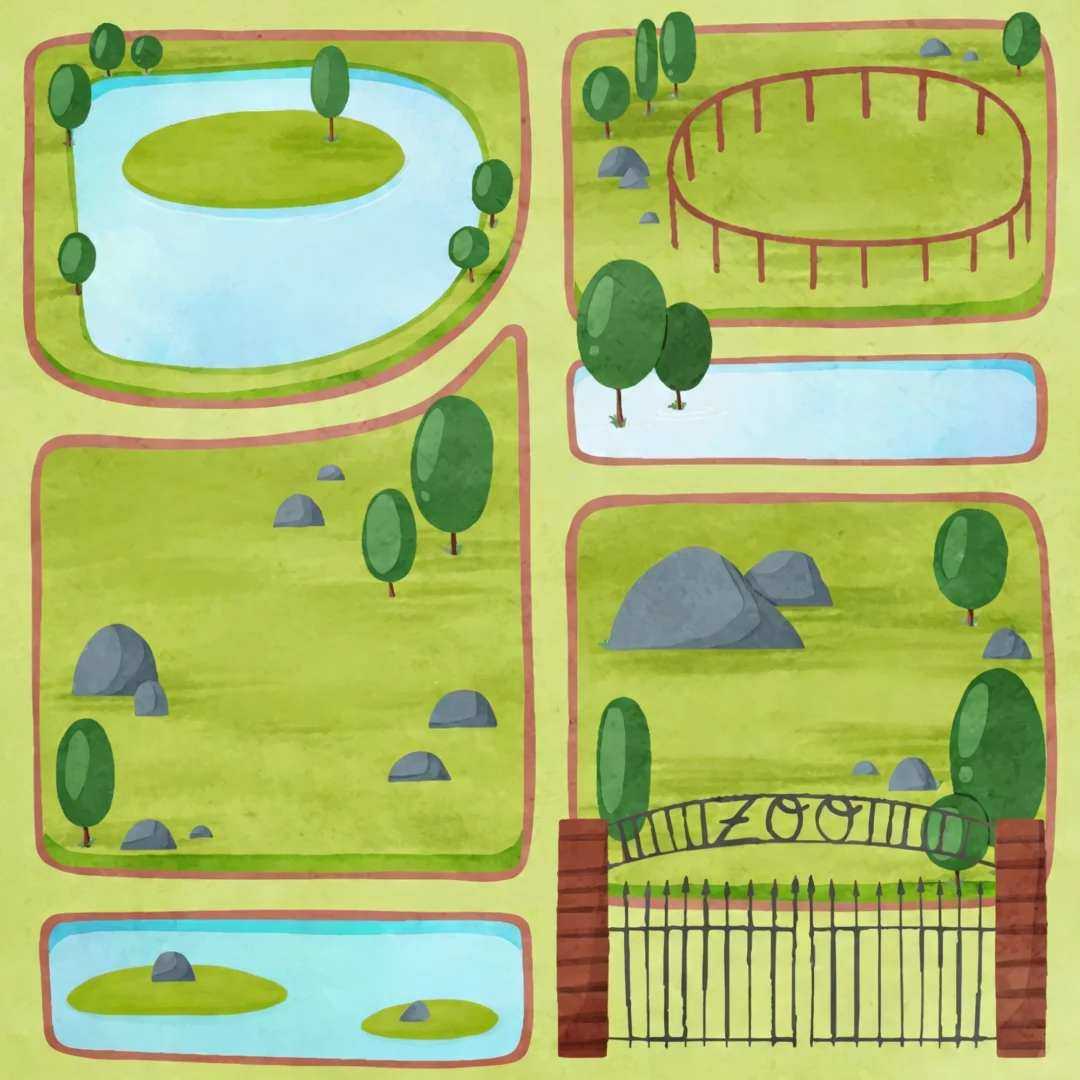
The vocabulary of a zoo splits into two distinct layers. There are the animals themselves, and then there is the human infrastructure built around them. Knowing the difference between a cage and an enclosure matters just as much as knowing the name of the animal inside it.
Zoo vocabulary is also one of the few sets that students of almost any age find immediately engaging, whether the draw is the animals up close or the bigger questions a zoo raises about wildlife and captivity.
A question that tends to work well with this topic: “If you could work at a zoo, what would your job be and why?” It is personal enough to produce genuine answers while still pushing students toward the vocabulary naturally.
The bridge over the aquarium and the rope barrier around the enclosure are just as much a part of the experience as the creatures behind them. A zoo is far more layered than it first appears, and the vocabulary reflects that.