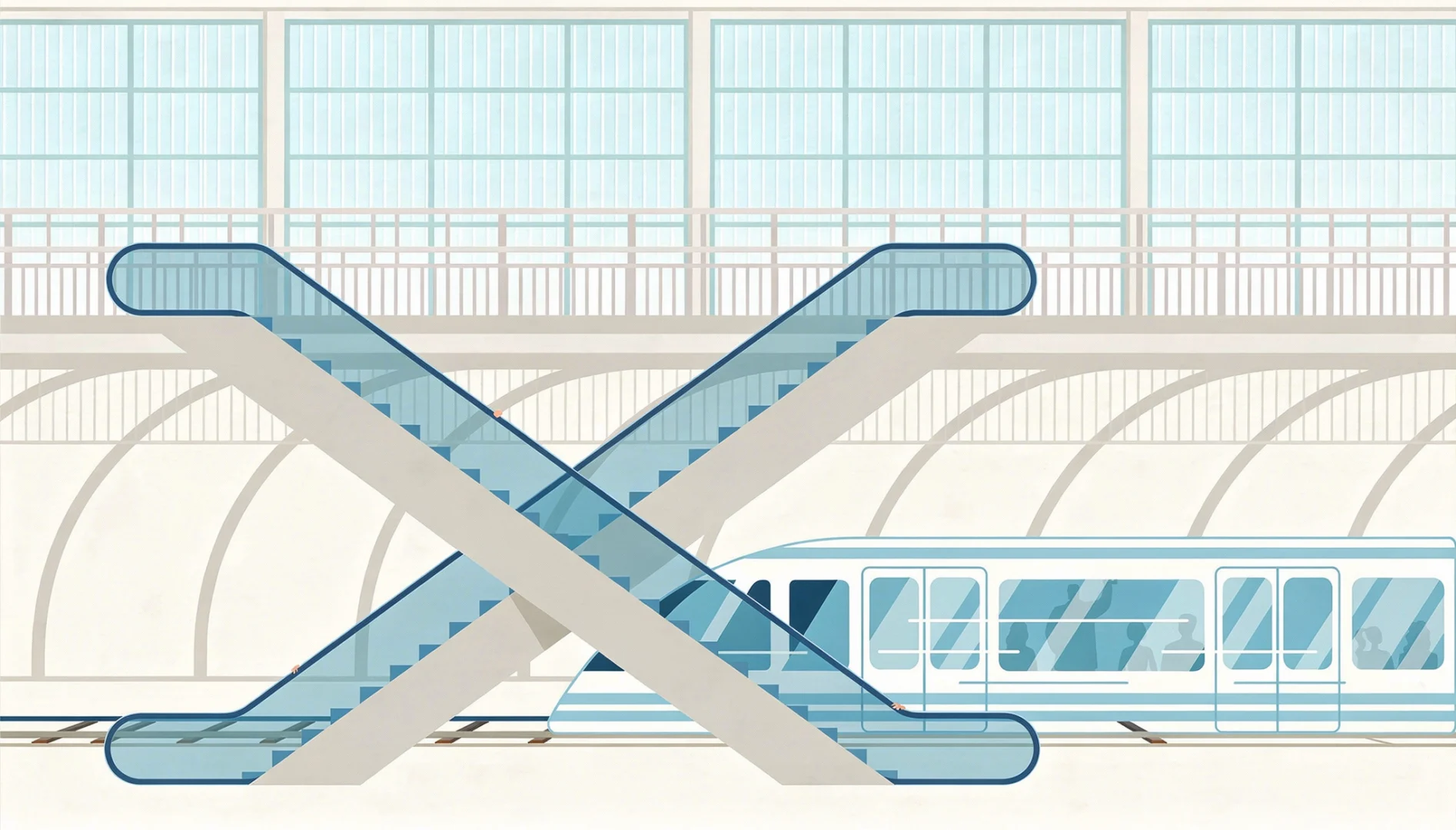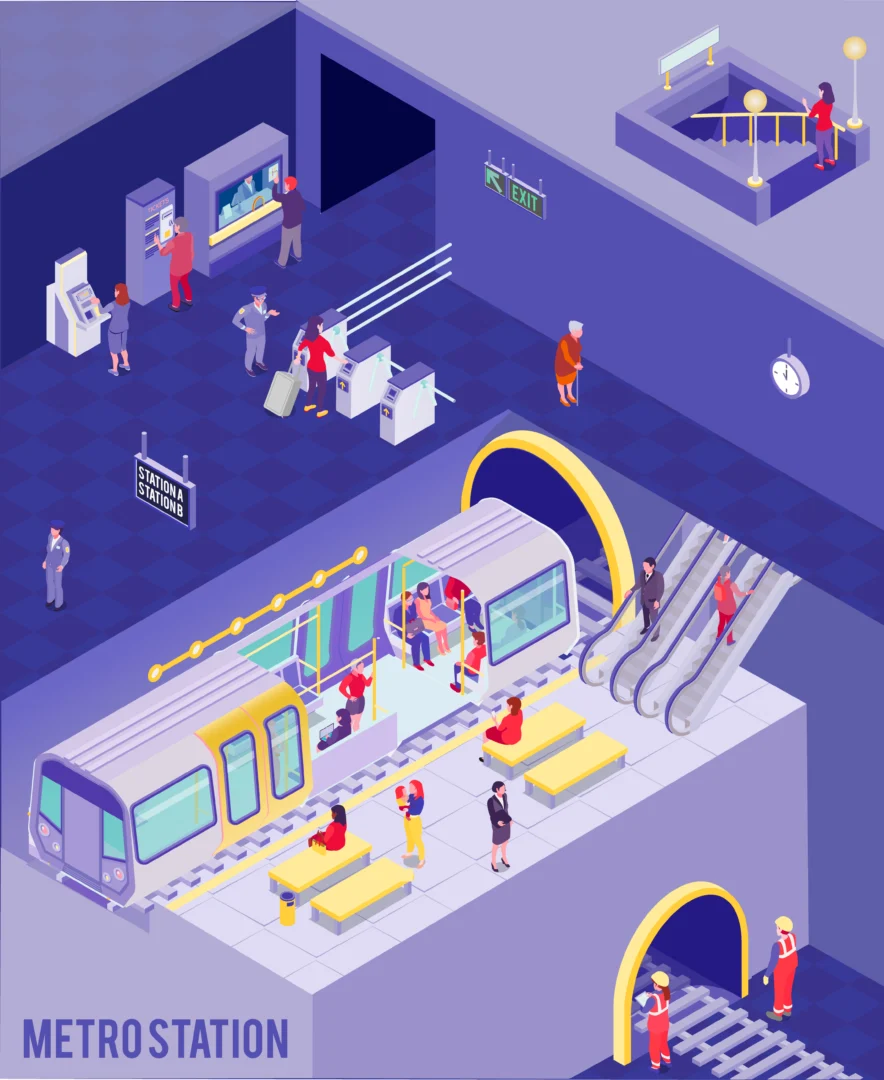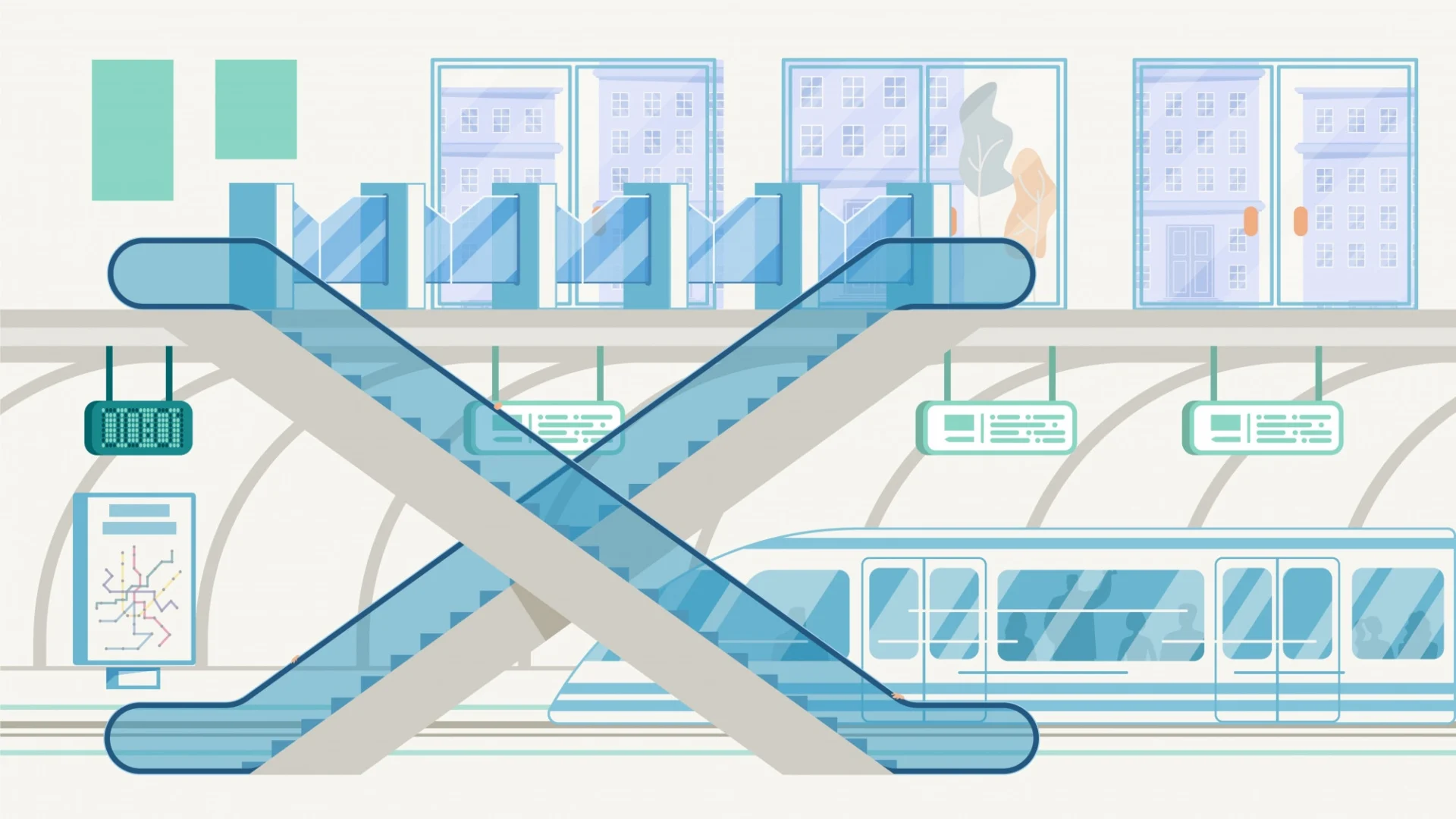
Rush Hour Does Not Wait for Anyone
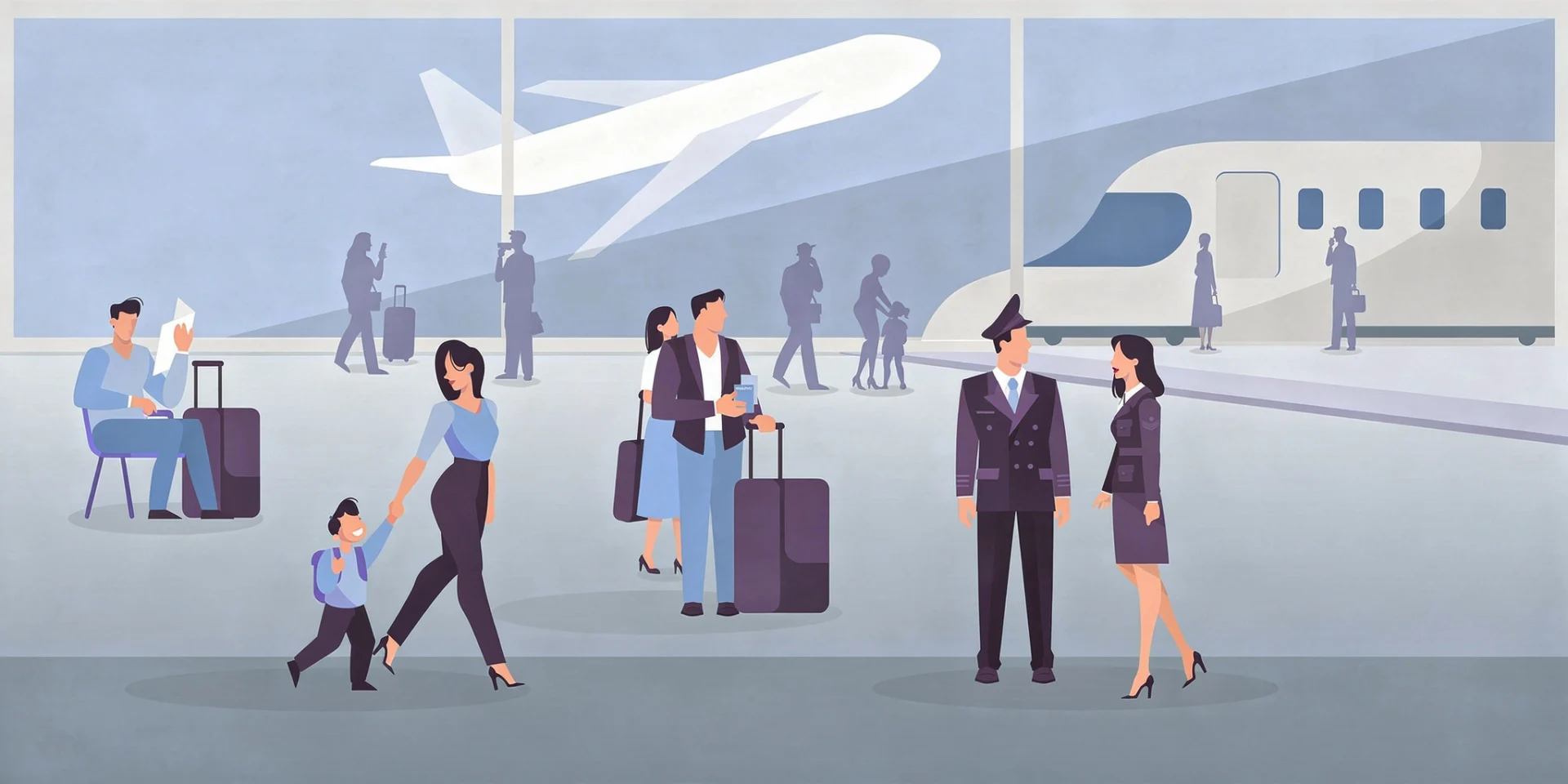
A station is where ordinary journeys begin. Rush hour does not care about landmark moments or first-time nerves. It moves, and everyone in it moves with it, which is why knowing the right words before stepping onto a platform matters more than most students expect.
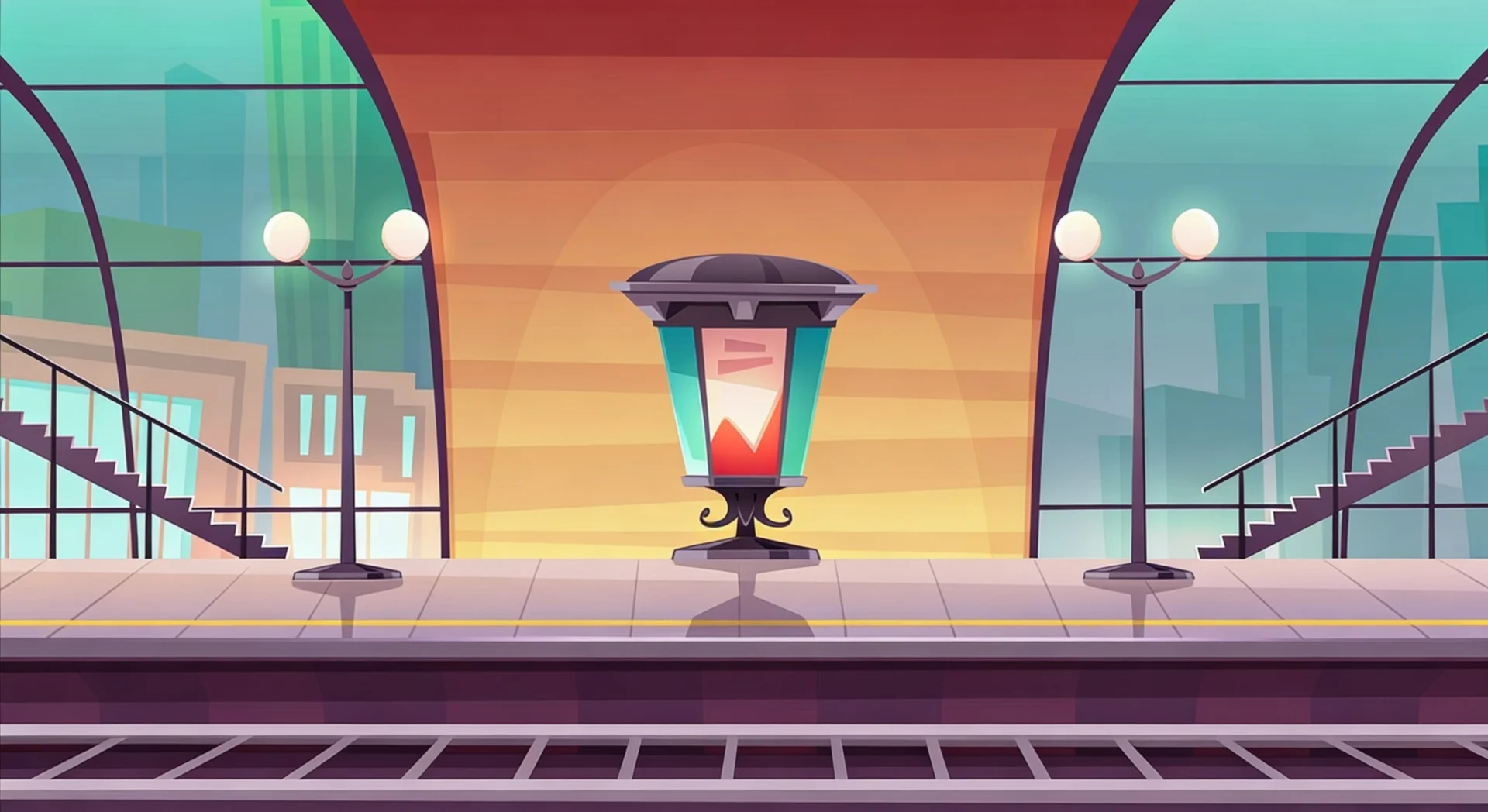
A station is a daily environment for millions of people, and for students navigating an unfamiliar city, the departure board and the ticket machine are often the first things standing between them and where they need to be.
Station vocabulary also covers the quieter corners of the space that students might overlook. A luggage locker or a lost and found counter only becomes important when something has gone wrong, and that is precisely when not knowing the word for it feels most frustrating. The information booth and the emergency exit are the same. They sit in the background of every station visit, unremarkable until the moment they are suddenly essential.
There is also a generational shift happening in stations that is worth discussing with students. The ticket office staffed by a person is giving way to the ticket machine and the transit card. The newsstand that used to sell physical timetables now sits beside a digital departure board. These changes are happening in stations across the world, and the vocabulary is shifting with them.
A question that works well with this topic: “Think about the last time you used public transport in a city you did not know well. What was the hardest part, and what did you wish you had known how to ask?” That question works whether a student travels regularly or has only done so once, and the answers tend to be surprisingly specific and honest.
A station exists for one reason only, to move people from where they are to where they need to be. A student who can navigate it confidently in English, at rush hour or otherwise, has a skill that will serve them in almost every city in the world.