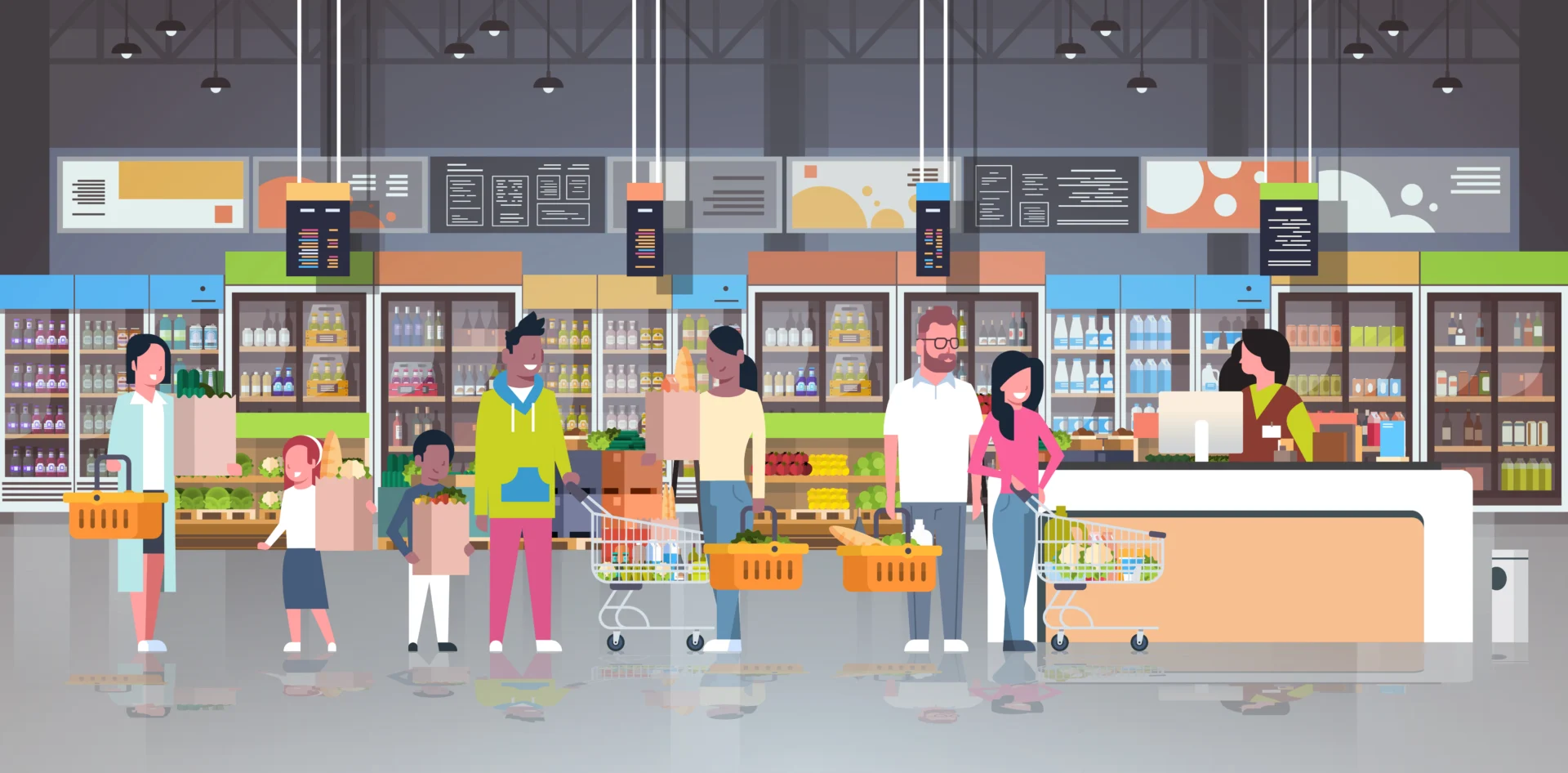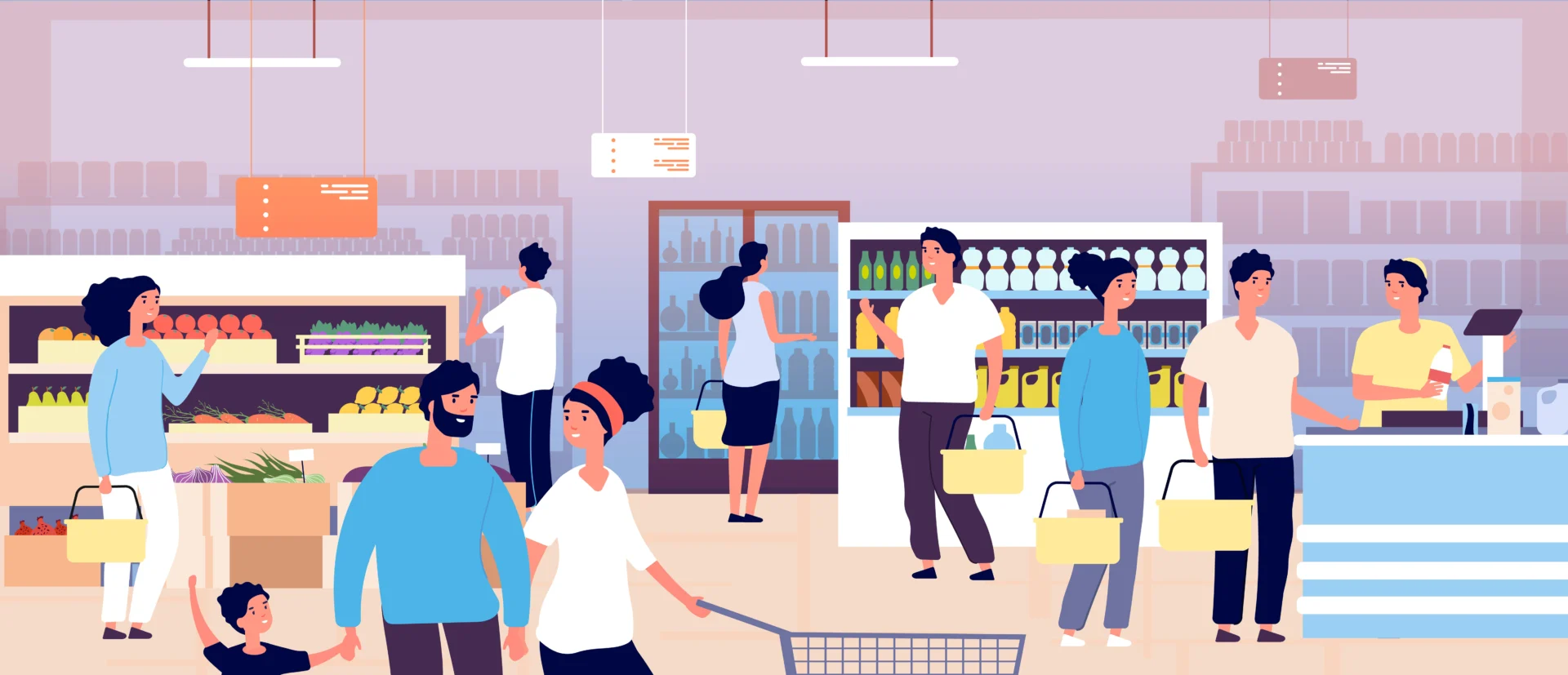
Aisle by Aisle, the Words Add Up
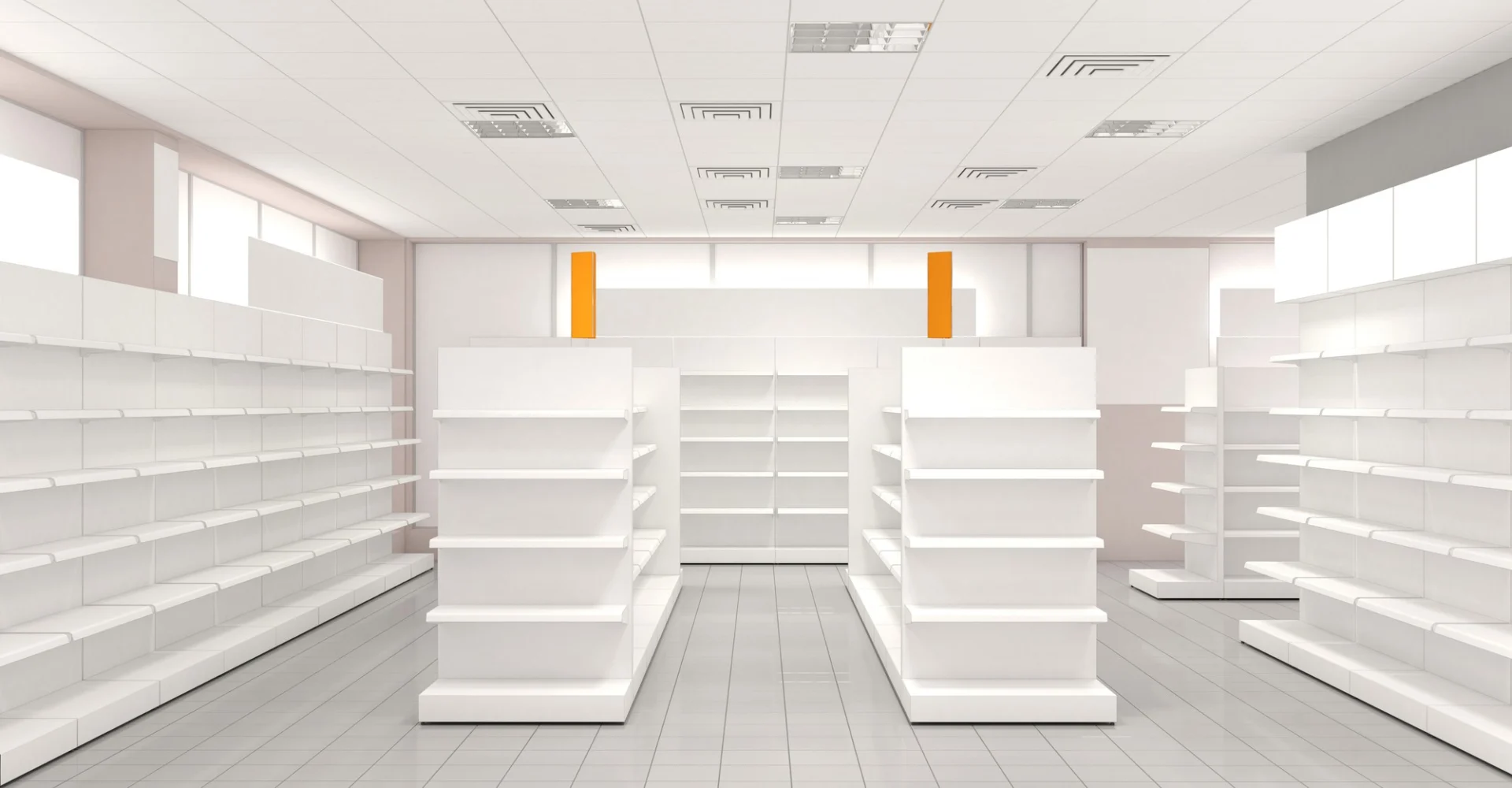
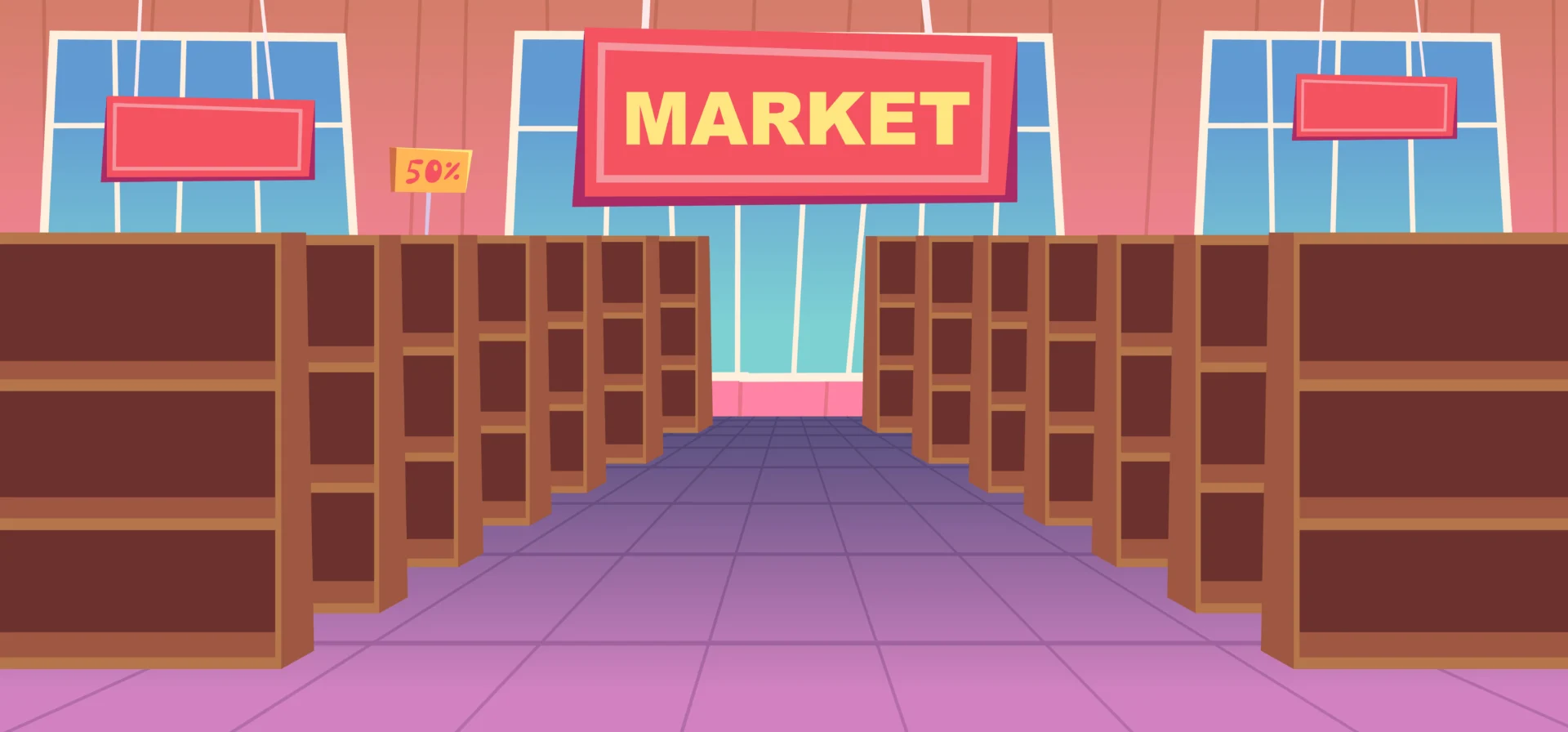
Few places in daily life are as language-rich as a supermarket. Every aisle is labelled. Every product has a description. Every interaction at the deli counter or cash register is a small but real conversation in English. For students learning the language, a supermarket is essentially a vocabulary lesson you can walk through.
The sheer variety of language inside a supermarket is what makes it so useful in the classroom. A student needs to know the difference between the produce section and the freezer aisle. They need to understand what a barcode does, why a receipt matters, and what it means when a coupon is expired. These are not obscure words. They come up every single week.
There is also a practical urgency to this vocabulary that few other topics can match. A student who freezes at a cash register because they do not know the word for “basket” or cannot read a receipt is in a genuinely uncomfortable situation. Giving students these words in advance removes that anxiety before it ever happens.
Ask your students this: “Think about the last time you went to a supermarket. Can you describe what you bought and where in the store you found it?” That question alone covers product names, location language and past tense all in one go.
Beyond the shopping itself, supermarkets are a fascinating cultural window. The size of the cereal aisle in a North American supermarket, for example, genuinely surprises many newcomers. The way the produce is arranged, the number of snack options, the presence of a security camera above every entrance. These details spark discussion and make the vocabulary feel alive rather than academic.