And It Was Not There Last Week
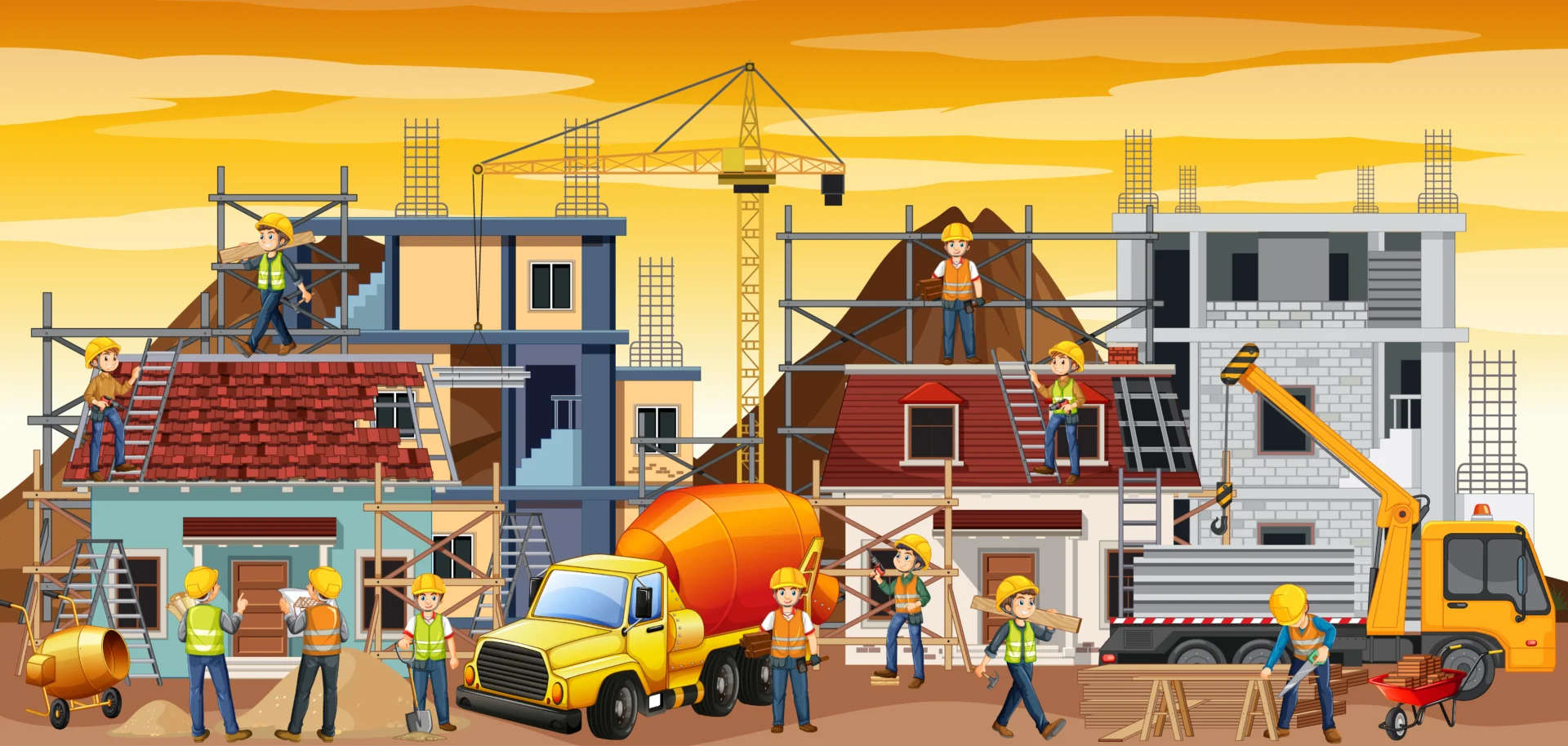
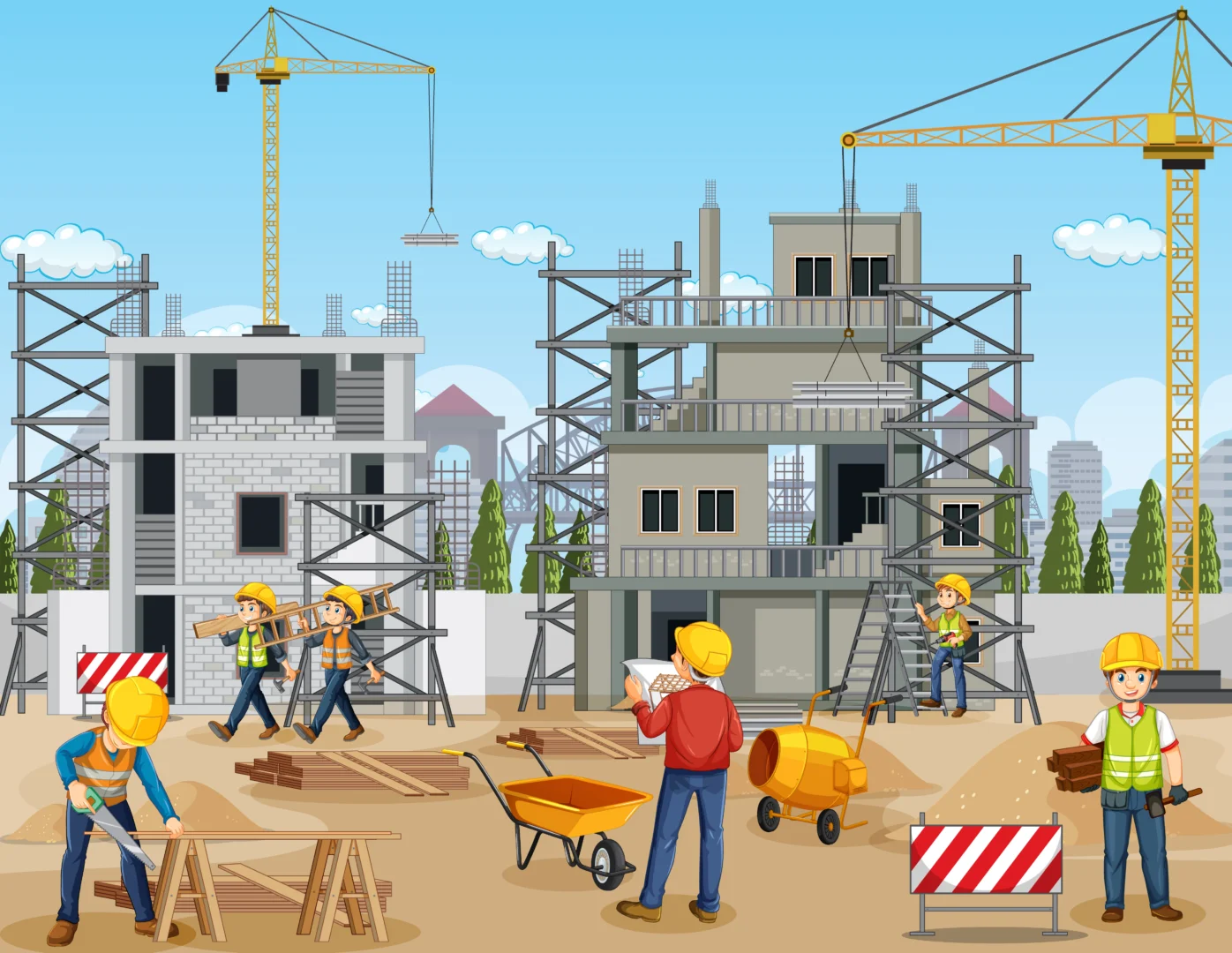
A construction site is one of the few places where the work is completely visible to anyone walking past. The foundation is in the ground and the crane is already overhead, and something that did not exist last month is slowly taking shape in full public view. That transparency gives this vocabulary an immediacy that most other settings simply cannot offer.
Every object on a construction site is there because something needs doing right now. A drill running at full speed and a generator keeping the whole site powered are not the kind of objects that wait. The urgency of a working site is built into the vocabulary itself, and that energy is something teachers can bring directly into the classroom.
Construction site vocabulary also introduces students to a register of English that is both technical and safety-focused. Knowing the difference between a safety barrier and caution tape, or understanding what a blueprint is for, gives students access to the kind of professional English that appears on signs and workplace notices across a huge range of industries.
A good question to try with your class: “Think about a construction site you have walked past. What did you notice, and what was being built?” That question works whether a student lives in a city full of new developments or has only seen construction in photographs, and the answers often lead into surprisingly detailed vocabulary discussions.
A building going up is one of the most dramatic things a city can do, and it does it slowly, in full view, for months or years at a time. The scaffolding comes down eventually, and the safety cones get packed away, leaving a finished building that most people will walk past without ever thinking about the blueprint that started it all. Teaching students the vocabulary of that process means giving them a way to see what most people never notice, the work behind the result.