Skip to content

“Did I Stutter?” Office Words That Mean Business

“Did I Stutter?” Office Words That Mean Business

Sticky Notes, Shredders and the Language of Getting Things Done

If you have ever watched The Office, you already know that an office is never just a place where work happens. It is where personalities clash, where the photocopier breaks at the worst possible moment, and where someone has definitely stolen your lunch from the communal fridge. It is also, for students learning English, one of the most useful vocabulary environments there is.

Office vocabulary shows up everywhere. Job interviews, professional emails, phone calls, and workplace small talk. A student who knows the difference between a filing cabinet and a paper tray, or who can describe what a shredder does without hesitating, is already communicating with confidence in a professional setting. That confidence matters enormously, especially for students who are preparing to enter an English-speaking workplace.

The social language of the office is worth paying attention to as well. The water cooler, for example, is not just an object. In English, “water cooler conversation” is an expression that describes casual workplace chat, the kind of small talk that builds relationships and makes a workplace feel human. Teaching students the word and the cultural context behind it gives them twice the value in a single lesson.

It is also worth teaching students what not to say. The Office gave us the memorable line “Did I stutter?” which sounds bold and confident on screen. In a real workplace, however, it would land very differently. Saying it to a colleague or manager would come across as dismissive and rude, the kind of remark that ends up in an HR meeting rather than a highlight reel. Television English and professional English are not always the same thing, and that distinction is a genuinely important lesson.

Ask your students this: “If you were starting a new job tomorrow, what five objects would you want on your desk and why?” It is a simple question, but it pushes students to think about office vocabulary in a personal and practical way, and the answers often lead to surprisingly rich discussion.

A noticeboard covered in reminders, a calendar full of meetings, sticky notes stuck to every surface like a scene straight out of a detective show. These are images every student recognizes, and recognition is one of the fastest roads to retention.

The office may not be the most glamorous setting, but for students who want to work, communicate, and thrive in English, it is one of the most important rooms they will ever learn to talk about.

More Weekly Wonders

Pack IDVocabTypeDefinitionUsageImage
1032PhotocopierNounA machine used to make copies of documents.He made copies of the report on the photocopier.
1032Recycling BinNounA container used to collect paper and other materials for recycling.He threw the old newspaper into the recycling bin.
1032Water CoolerNounA machine that dispenses cold drinking water, commonly found in offices.Employees often chat near the water cooler.
1032NoticeboardNounA board fixed to the wall where notes, reminders, and announcements are pinned.The meeting schedule was pinned to the noticeboard.
1032Filing CabinetNounA tall metal cabinet with drawers used to store documents and files.He stored important files in the filing cabinet.
1032Paper TrayNounA flat tray placed on a desk used to hold and organize loose papers.He placed the finished forms in the paper tray.
1032ShredderNounA machine used to cut documents into small pieces to protect private information.She put the old documents through the shredder.
1032Sticky NotesNounSmall pieces of paper with a sticky back, used to write short reminders.She wrote a sticky note to remind herself about the meeting.
1032ComputerNounAn electronic device used to work, write, browse, and communicate.She used the computer to send an email.
1032HeadsetNounA pair of headphones with a microphone, used for calls and online meetings.She put on her headset for the video call.
1032TelephoneNounA device used to make and receive calls.He answered the telephone on the first ring.
1032DeskNounA flat table used for reading, writing, or studying.He sat at his desk and opened his book.
1032ChairNounA seat with a back, for one person to sit on.He sat down on the chair.
1032PrinterNounA machine that puts words or pictures on paper.He used the printer to print his homework.
1032NotebookNounA book of blank or lined pages used for writing notes.She wrote the new words in her notebook.
1032PenNounA tool used for writing with ink.He wrote the answers with a blue pen.
1032WhiteboardNounA white board used for writing with markers.He wrote today’s lesson on the whiteboard.
1032CalendarNounA chart showing the days, weeks, and months of the year.She marked her birthday on the calendar.
1032StaplerNounA small device used to fasten sheets of paper together with metal staples.He used a stapler to attach the pages.
1032LaptopNounA small, portable computer that folds open and can be carried anywhere.She used her laptop at the café.
Pack IDParagraphContent
1032The Last Day Before HolidaysBy 4:50pm on the last Friday before the Christmas break, Marcus had convinced himself he was nearly done. The sticky notes plastered around the edges of his monitor told a different story. Three client reports still needed printing, the printer had been jammed since Tuesday and nobody had bothered to fix it, and somewhere in the filing cabinet behind him was a signed contract his manager had asked for twice that week. He found it in the third drawer, underneath a calendar from two years ago that had somehow never been thrown out. With six minutes left before the office emptied completely, he fed four months of sensitive financial drafts into the shredder, listened to it grind through the pages with considerable satisfaction, and decided the contract could wait until January.
1032Let's Talk about ItHave you ever worked in an office environment? What did you find most challenging about communicating in that setting? Do you think open-plan offices help or hurt productivity? What would your ideal workspace look like? Do you like talking to your colleagues at work? Many people now work from home instead of going into an office. What do you think are the biggest advantages and disadvantages of each? If you overheard a conversation at work that made you uncomfortable, how would you handle it?
Pack IDImageFile
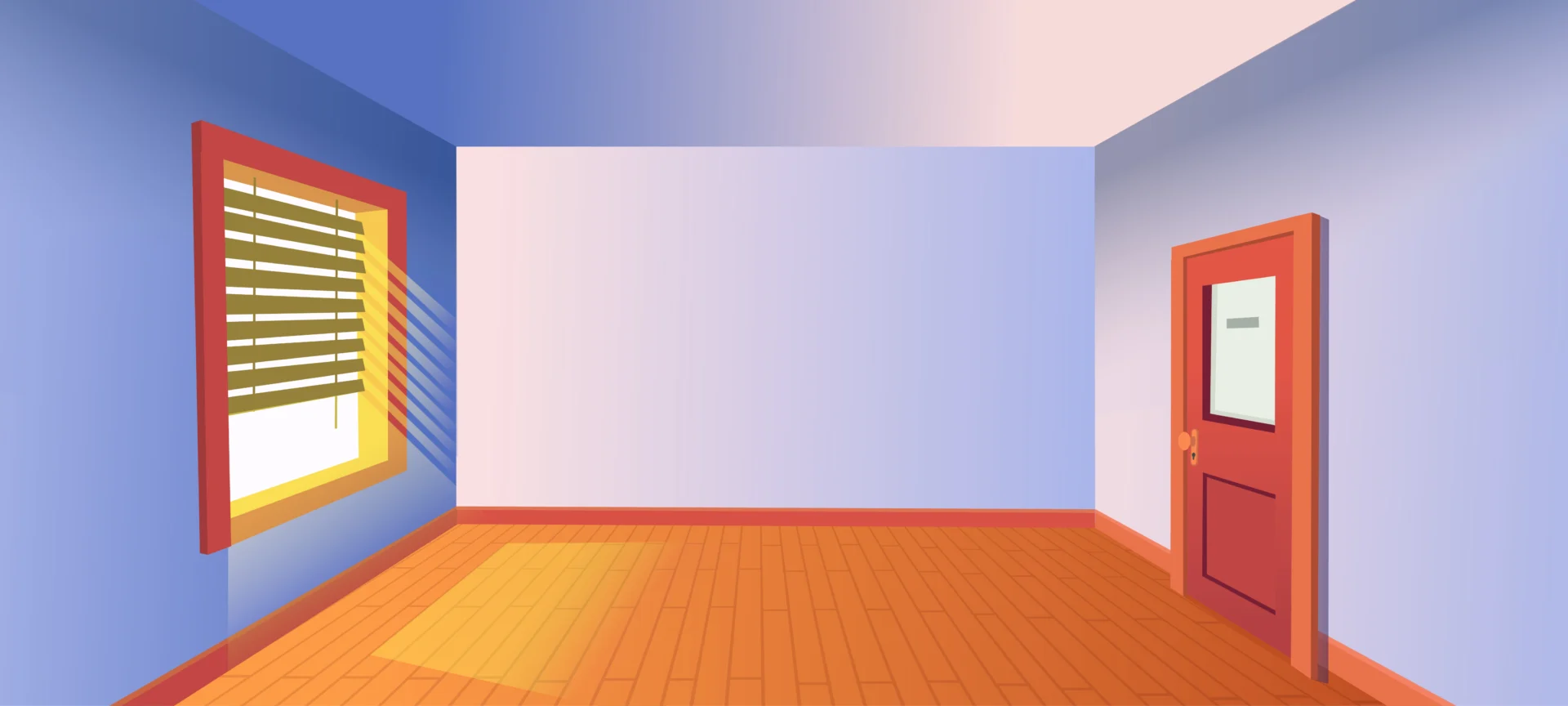
1032Empty Office
1032Empty Office with Tiled Floor
1032Empty Open Office
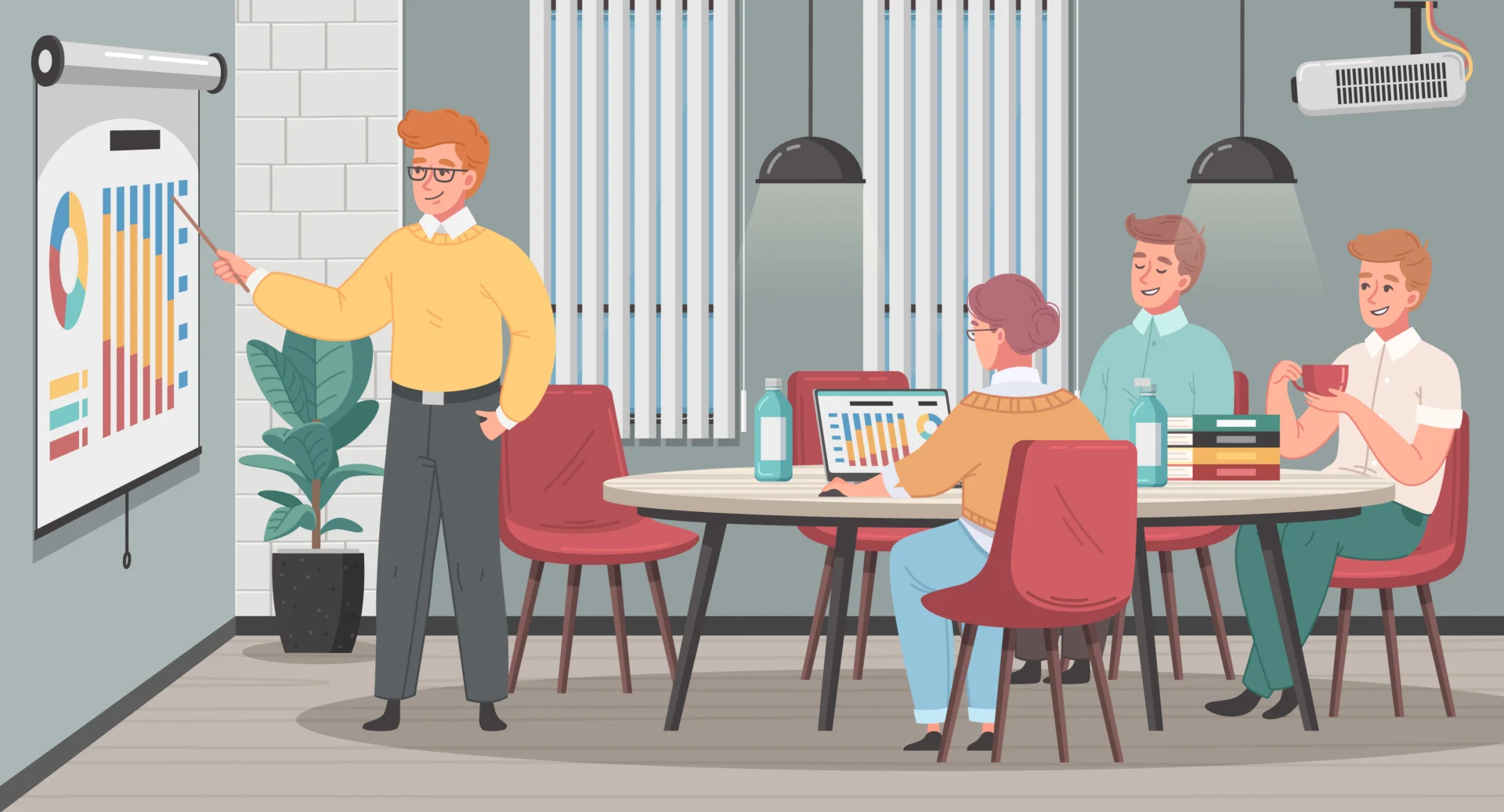
1032Office Meeting
1032Open Plan Office
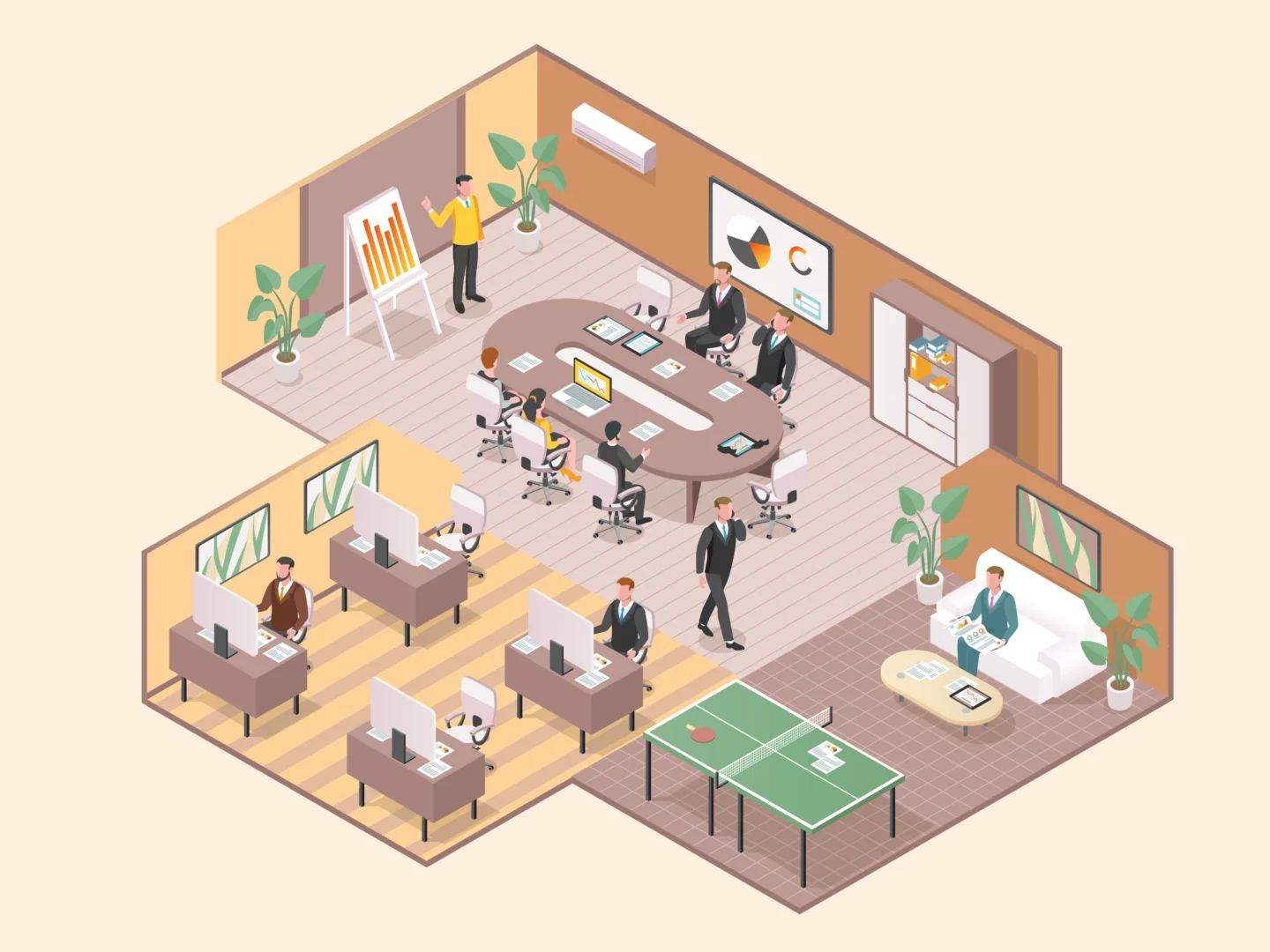
1032Office Floor Plan
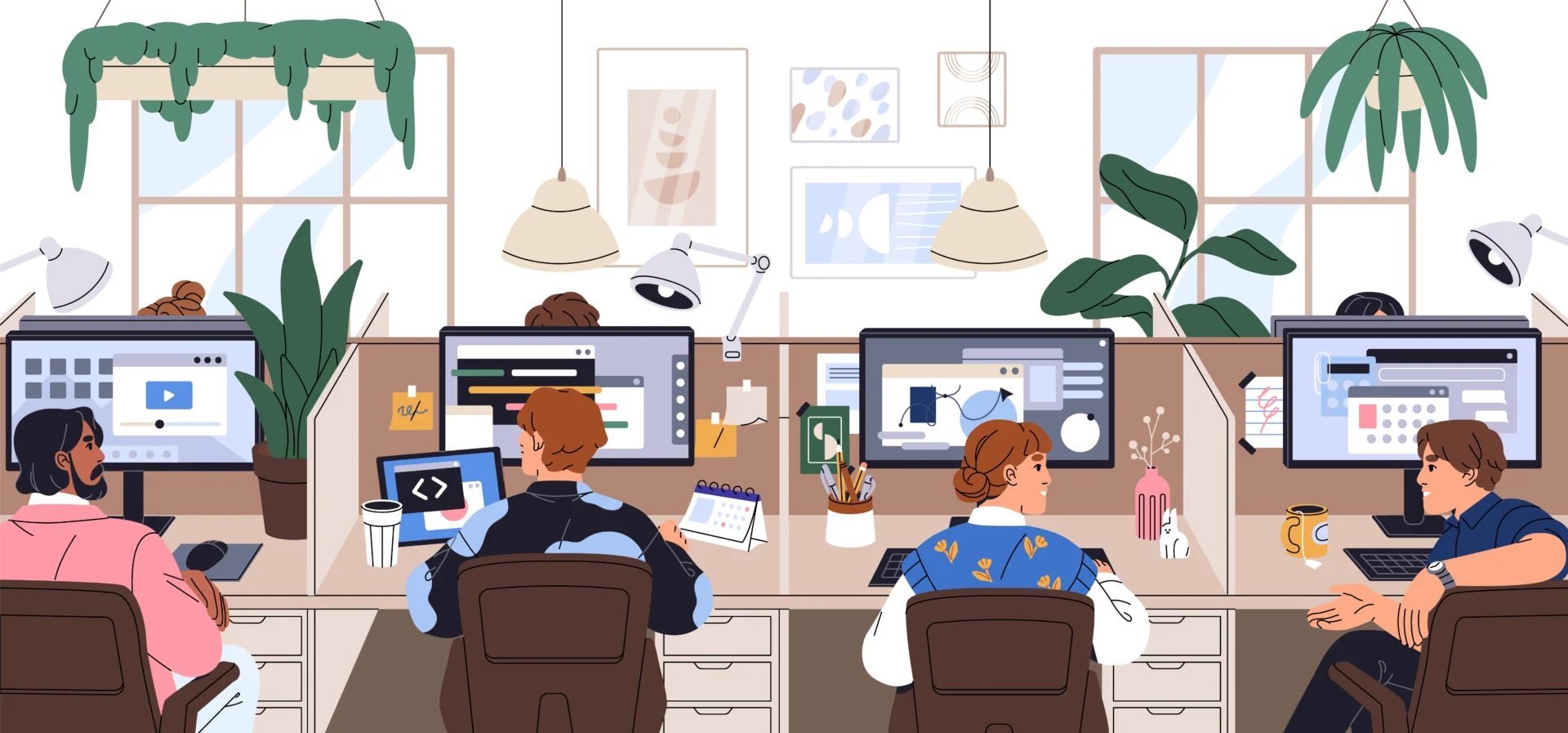
1032Office Workstations“Did I Stutter?” Office Words That Mean Business

More Weekly Wonders