Three years after it was cut down, England’s famous Sycamore Gap tree is growing again. New photos from the National Trust, the charity that looks after the site, show a thick ring of green shoots around the old stump. Some of the shoots are already 60 to 90 centimetres (2 to 3 feet) tall.
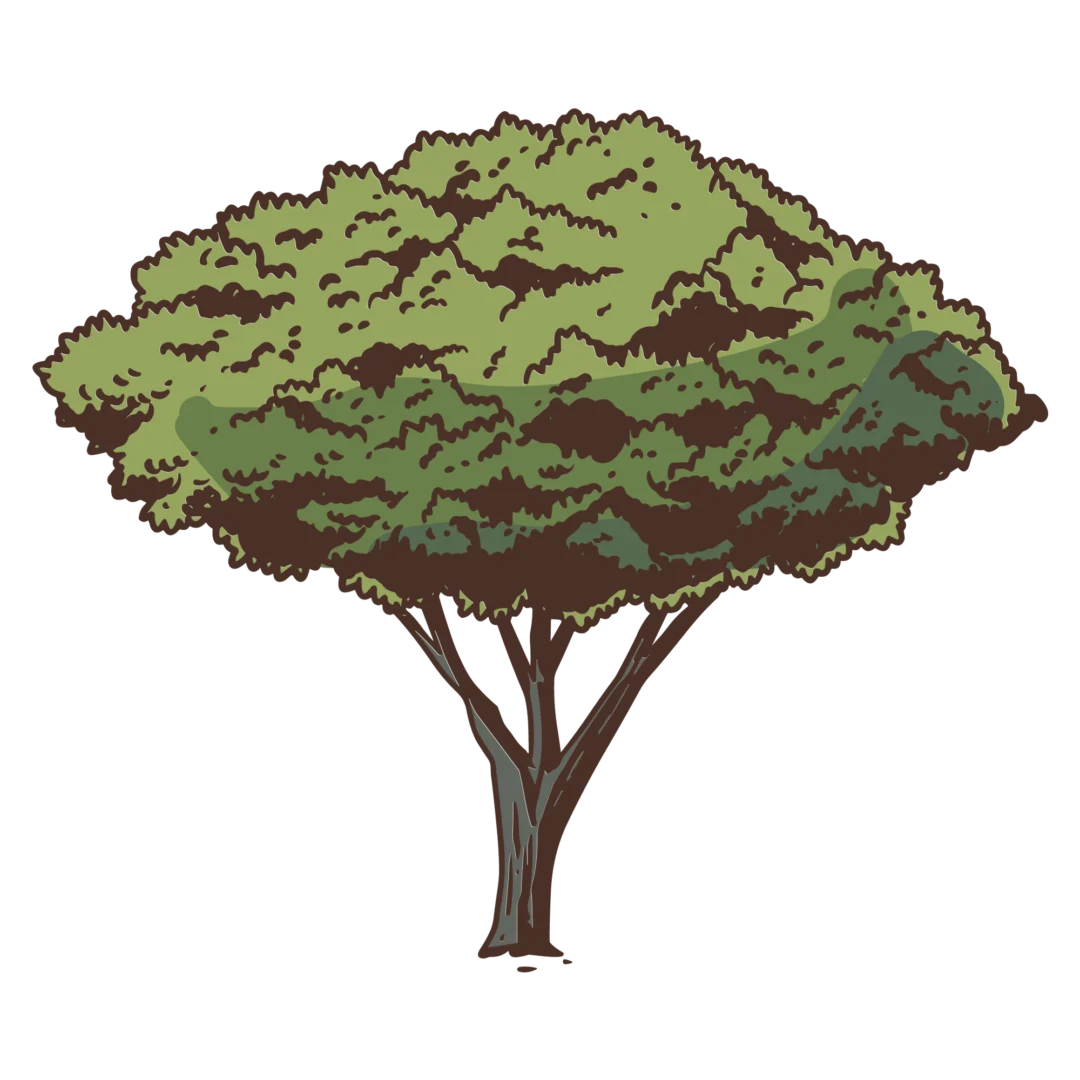
The tree stood alone in a deep dip in the land next to Hadrian’s Wall, in Northumberland in the north of England. The Romans started building the wall nearly 1,900 years ago. The sycamore was planted in the late 1800s, and for many years walkers stopped to take photos of it. It became even more famous after it appeared in the 1991 film Robin Hood: Prince of Thieves.
On September 28, 2023, two men cut the tree down with a chainsaw during a storm. Both men were later sent to prison. The news was reported around the world.
About ten months later, in July 2024, a ranger was doing a normal check of the site when he found eight tiny shoots coming out of the stump. Since then, the National Trust has put a fence around the stump and asked visitors not to touch it. Workers also loosened the hard, packed soil around the roots.
Andrew Poad manages the National Trust’s work at Hadrian’s Wall. He said the new shoots were “really encouraging” and showed that the special care was working. He also thanked visitors for being careful at the site. “For now, we’re filled with hope by the way nature is taking its course,” he said.
It is still too early to know what the tree will look like in the future. The shoots may grow together as a group of thin stems, like a large bush. Or rangers may later choose one strong shoot and let it grow into a single new tree. For now, they plan to watch the stump closely and decide as it develops.
The old tree also lives on in other ways. Seeds collected at the site grew into young trees, and 49 of them were given to communities across the U.K. The largest piece of the fallen trunk is now part of an exhibition at The Sill, a visitor centre in Northumberland National Park.
Sources: National Trust, BBC, Evening Standard, Smithsonian
The Sycamore Gap tree, one of England’s best-known landmarks, is quietly staging a comeback. Photos released by the National Trust on September 28, exactly three years after the tree was illegally felled, show a dense ring of leafy shoots around the stump. The tallest already reach 60 to 90 centimetres (2 to 3 feet).
For well over a century, the lone sycamore stood in a steep dip beside Hadrian’s Wall, the Roman wall that runs across northern England. It was planted in the late 1800s and drew walkers and photographers for generations, then won international fame after appearing in the 1991 film Robin Hood: Prince of Thieves.
On September 28, 2023, during a storm, two men cut it down with a chainsaw. Both were later convicted of criminal damage and jailed.
In July 2024, about ten months after the felling, ranger Gary Pickles was checking the site when he noticed eight small shoots poking out of the stump. The National Trust has since fenced off the site and asked visitors not to touch the stump or scatter ashes around it. Staff have also worked to reduce soil compaction, loosening the ground that had been packed down around the roots.
Andrew Poad, the trust’s general manager at Hadrian’s Wall, said the “flourishing shoots are really encouraging” and showed that “the special measures we’ve taken” were paying off. He also thanked visitors, saying their care was helping to protect the tree and “give it the best possible chance to thrive.”
What the tree eventually becomes is still an open question. When the first shoots appeared, the trust said it would let them grow for several years before choosing a direction. One option is to manage the stump as a coppice, a traditional method in which a tree is cut back regularly so that it produces many thin stems. The other is to reduce the growth to a single trunk that could, in time, become a full-sized tree again. For now, rangers are monitoring the stump closely and say they will manage it according to how it develops.
Meanwhile, the original tree has found new lives far from Hadrian’s Wall. Seeds gathered after the felling were raised at the trust’s Plant Conservation Centre, and 49 of the resulting saplings, known as the “Trees of Hope,” have been given to communities across the U.K. The largest section of the trunk is on permanent display at The Sill, a visitor centre in Northumberland National Park. Artists are also using the tree as inspiration, and one new project is being built from the felled wood itself.
Sources: National Trust, BBC, Evening Standard, Smithsonian