The Classroom Has Been Teaching You English All Along
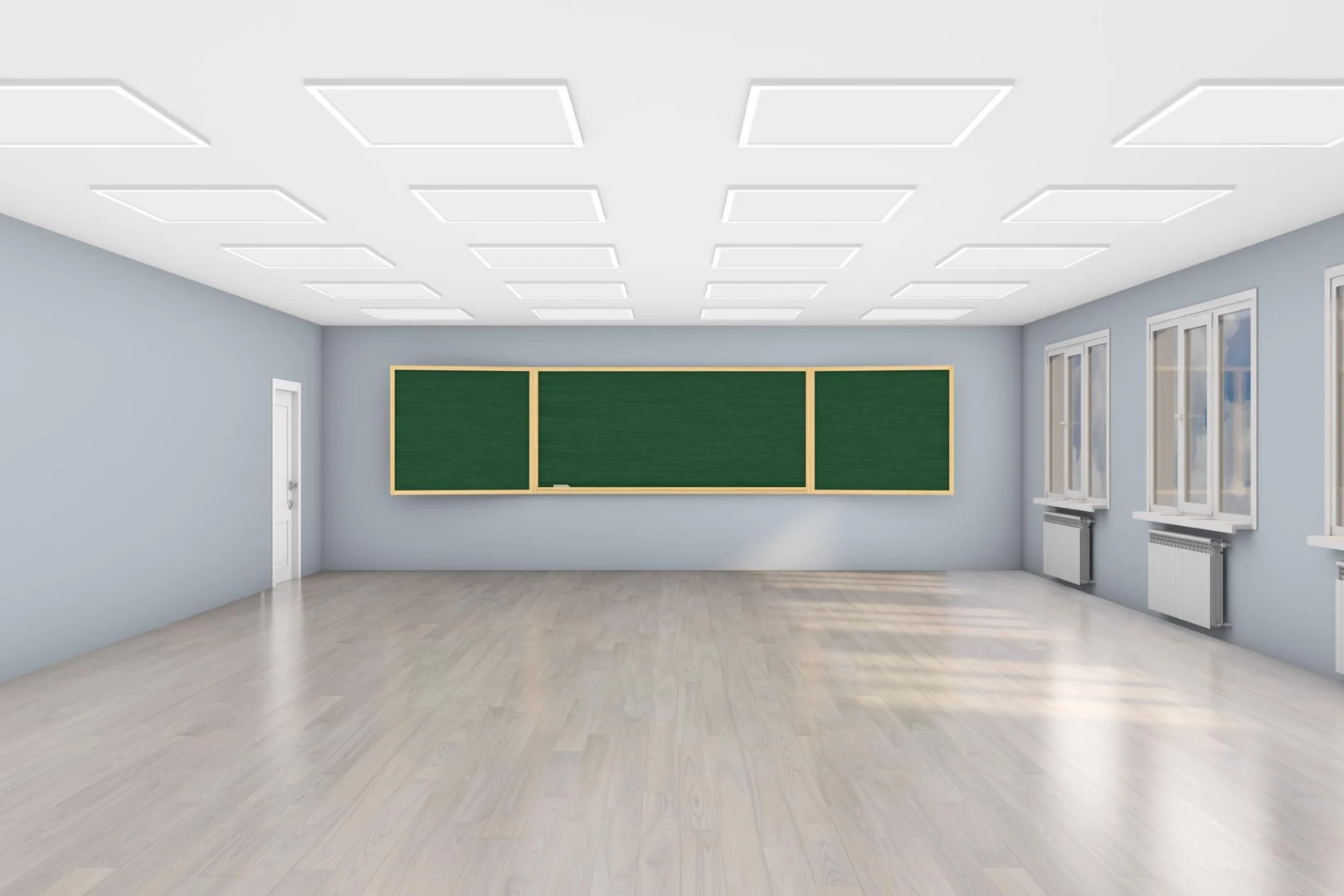
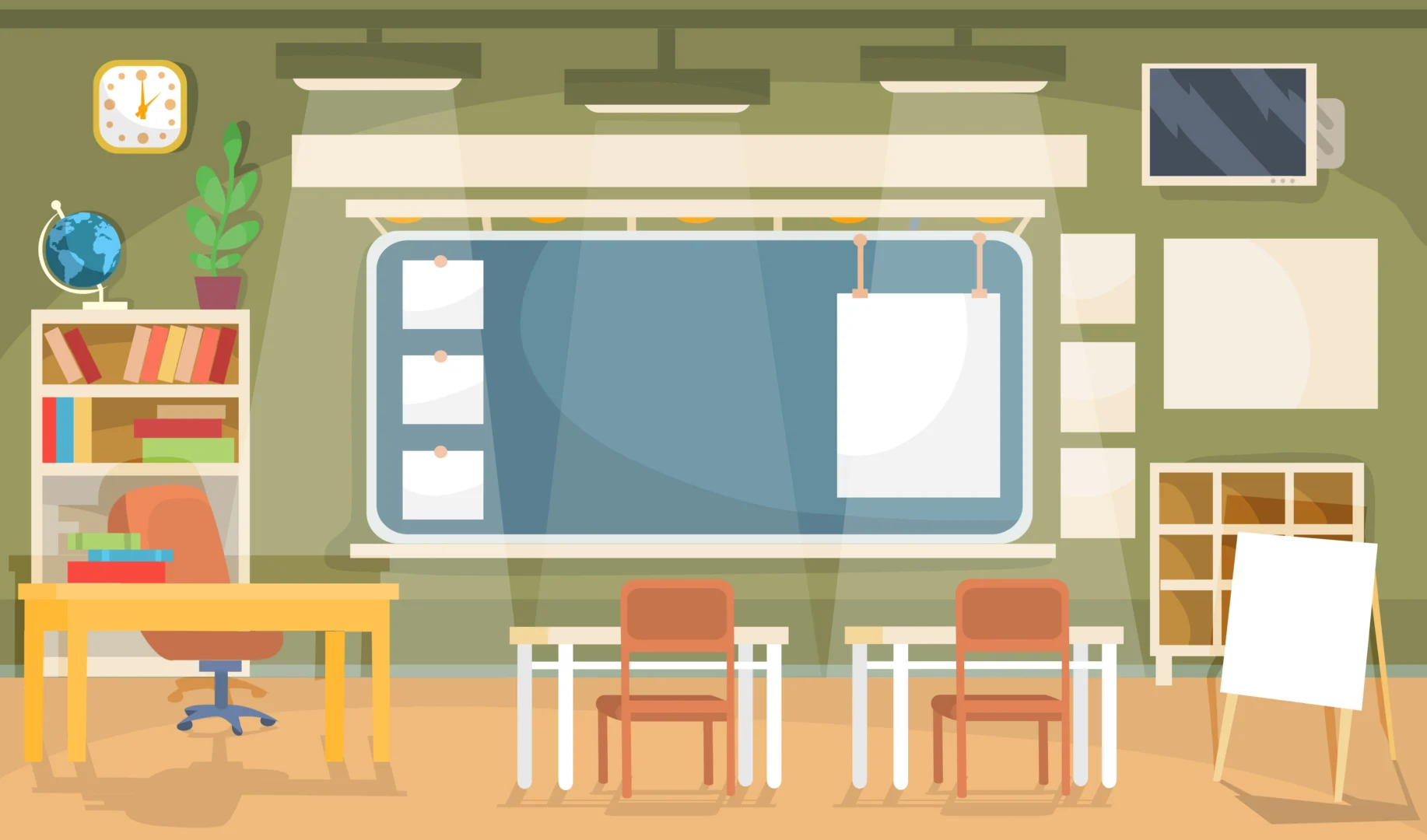
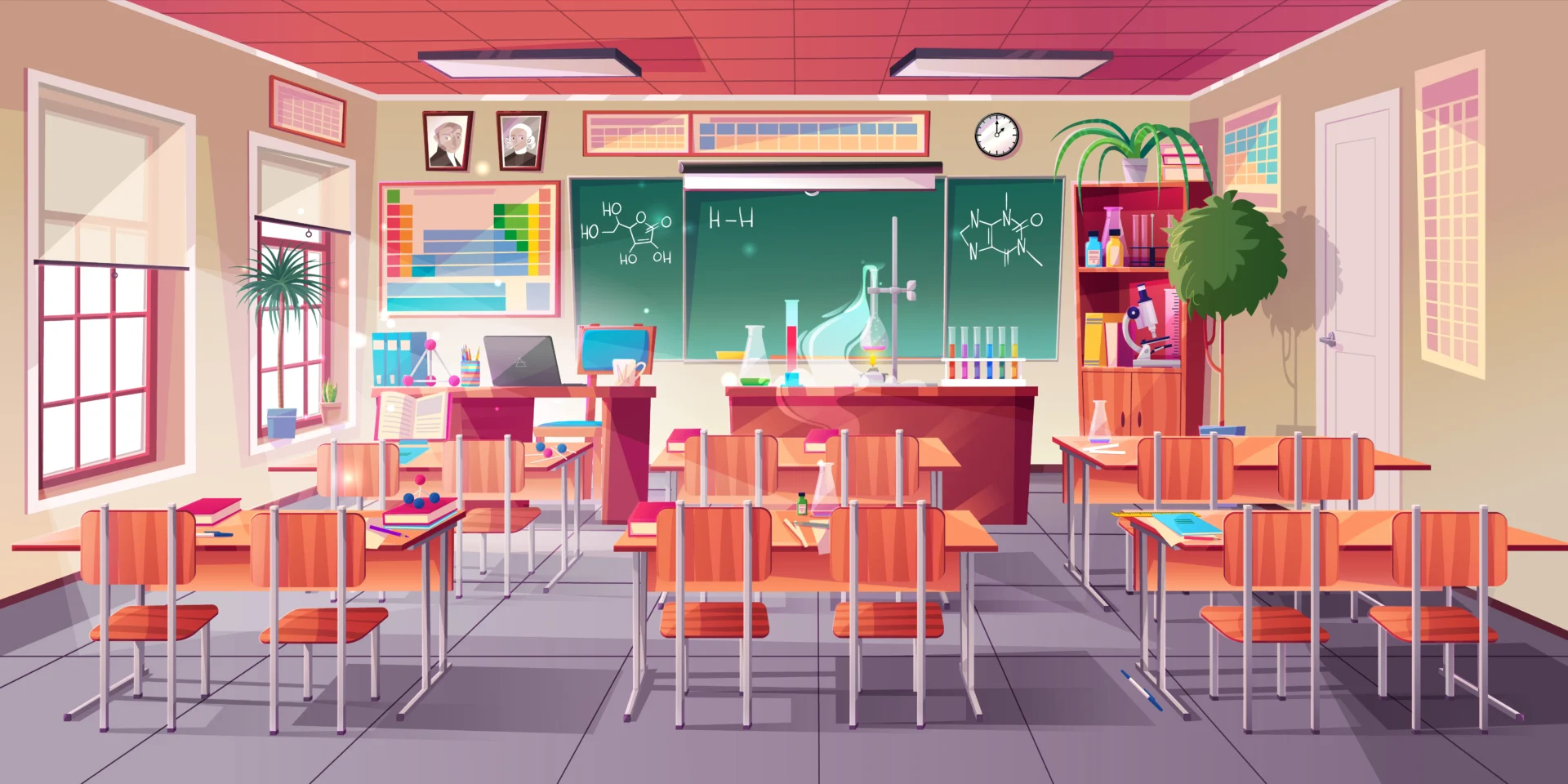
Walk into any classroom anywhere in the world and you will find a familiar scene. A blackboard at the front, rows of desks, a bookshelf along the wall, a globe sitting in the corner collecting dust. The setting is universal, which is exactly what makes classroom vocabulary such a smart place to start with new learners.
Students already know this room. They have spent years in it. That familiarity removes one of the biggest barriers in language learning, which is the anxiety of dealing with something completely unknown. When the environment is familiar, the focus shifts entirely to the words themselves.
Classroom vocabulary is also deeply practical. A student who knows the difference between a pencil case and a backpack, or who can ask for a ruler or an eraser without hesitating, is already functioning in English in a real setting. These are not hypothetical situations. They happen every single lesson.
A question worth trying with your students: “Think back to your school days. Can you describe your classroom in English?” The answers are always revealing. Some students will surprise themselves with how much they already know. Others will hit a wall after three words, and that wall is exactly where the teaching begins.
There is also something worth noting about the projector at the front of the room, the poster on the wall, the coloured pencils in the tray. These are objects that carry associations. Students remember where they were sitting when they learned something important. Tying new vocabulary to those memories makes it stick in a way that a word list simply cannot.
The classroom is a shared reference point that almost every student on the planet has in common. That common ground is rare in language teaching, and it is something worth building on. When students can name the objects around them in English, they stop translating and start thinking. That shift, however small it seems, is one of the most important steps in becoming fluent.