The Part of the Day Nobody Talks about Enough
For a lot of people, the commute is just something that happens between the real parts of the day. You leave the house, you get where you’re going, and somewhere in between you stood on a platform, sat in traffic, or walked fifteen minutes in weather that didn’t cooperate. It’s ordinary. It’s repetitive. And for English learners, it’s full of language they genuinely need.
Daily commuting is one of the most consistent experiences shared across a classroom. Some students drive. Some take the bus. Some walk or cycle. Some transfer between two different subway lines and know exactly which car to board so they end up closest to the exit. These are small, specific, deeply personal routines, and talking about them in English is something learners do more often than they might expect.
The vocabulary here is surprisingly layered. There’s the practical side: transit cards, bus routes, rush hour, transfers, delays, platform numbers, and parking. But there’s also the conversational side, the kind of language that comes up when a coworker asks how you get to work, or when someone complains about the morning traffic and expects you to commiserate. Knowing how to participate in those small exchanges matters more than most coursebooks suggest.
Commuting also reflects a lot about the city or town a learner lives in. Describing your journey to work is, in a quiet way, describing where you live, how far you are from things, and what your daily life looks like. That personal dimension makes for honest, unprompted conversation in the classroom.
There’s also frustration, which turns out to be a surprisingly useful emotion in language learning. A delayed train, a missed bus, a driver who skipped your stop. Learners who struggle to express mild annoyance or navigate an unexpected disruption often find this topic gives them exactly the words they were missing.
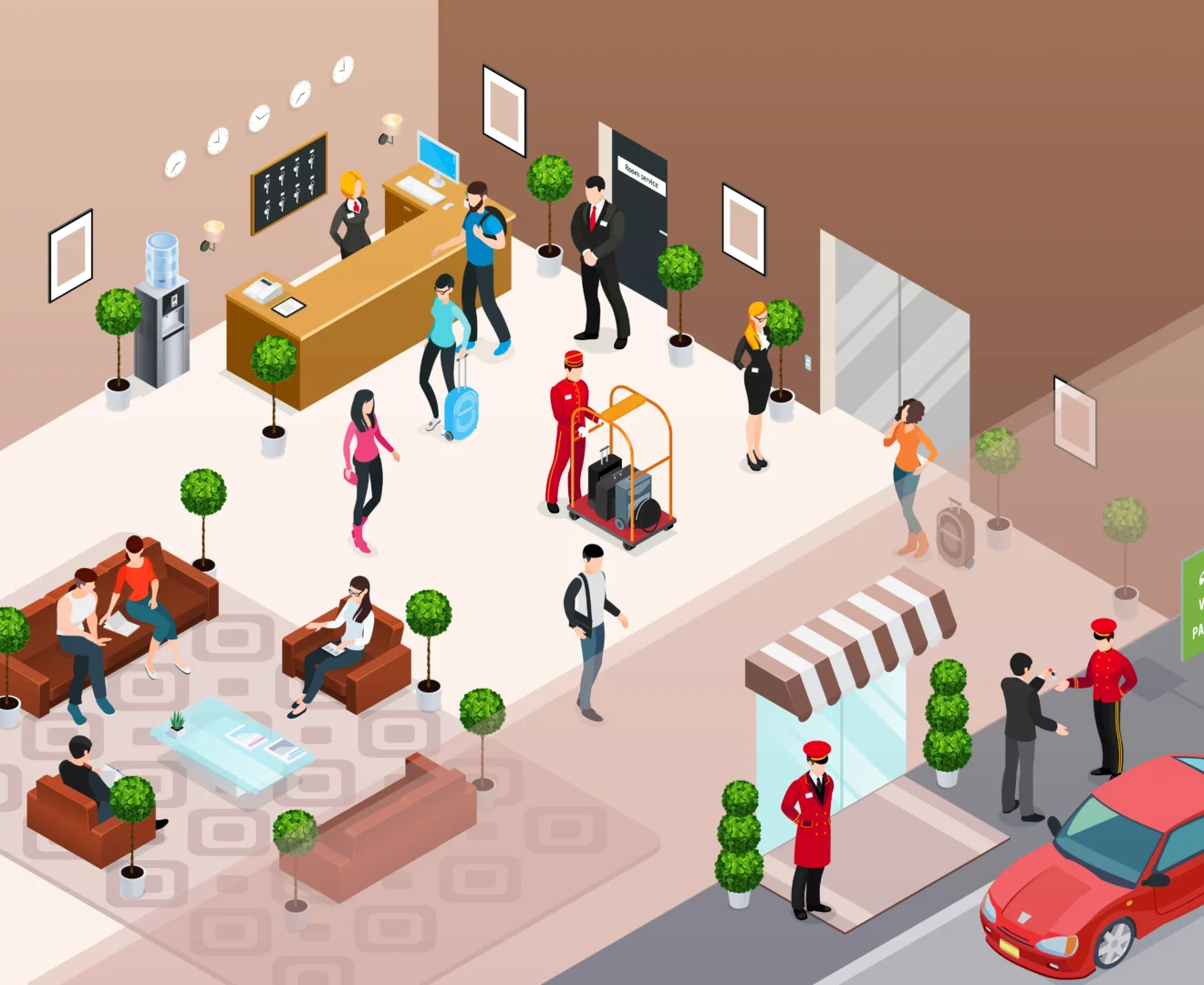
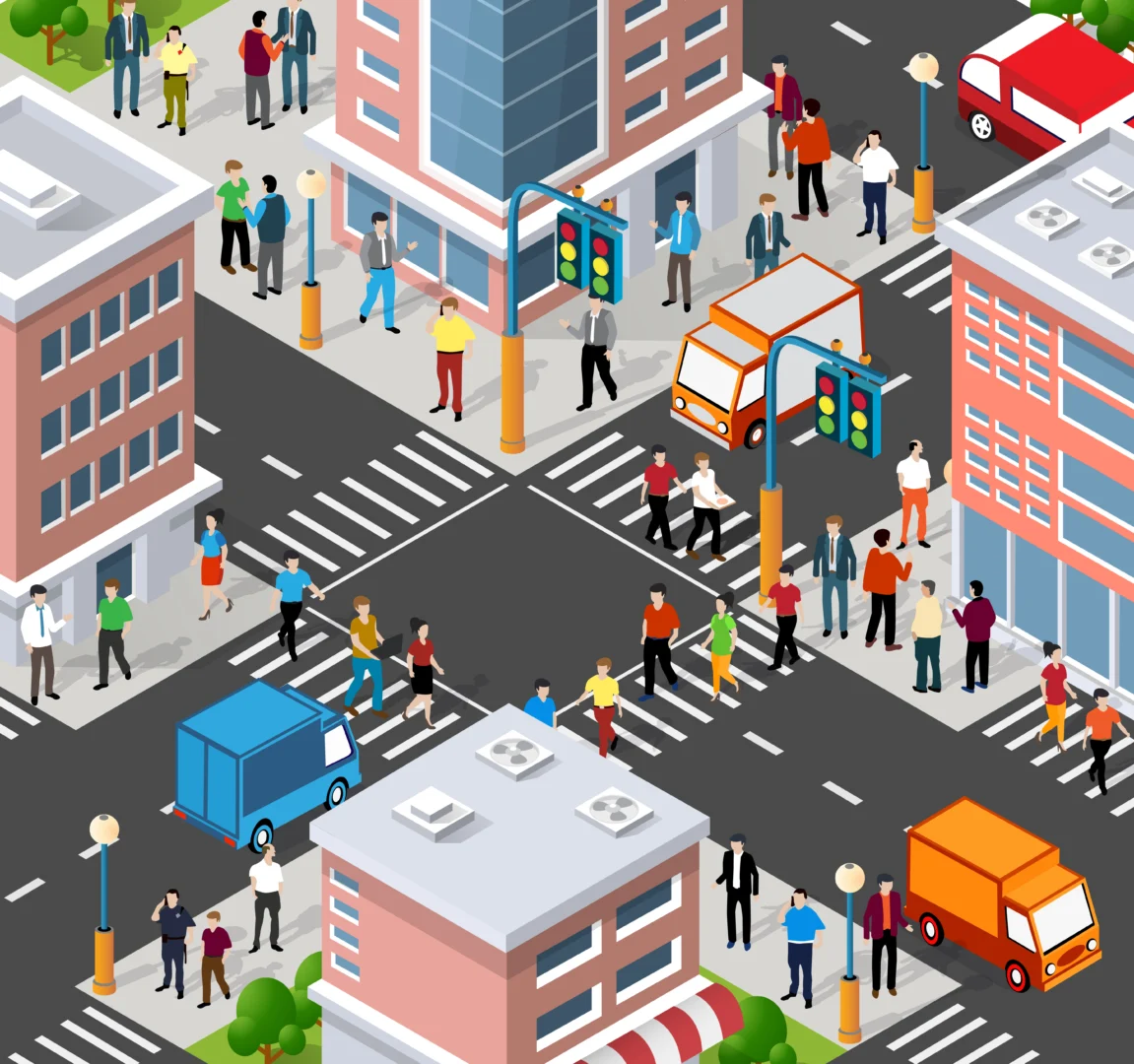
The Urban Commuting image set works especially well as a warm-up. Put one image on the screen at the start of a lesson and ask your students how it compares to their own journey that morning. You might be surprised how much they have to say.