What to Say When the Price Tag Isn’t Enough
You walk into a store. The signs say SALE. The racks are full. There’s a fitting room line, a returns desk, and a cashier asking if you found everything okay. For most shoppers, this is routine. For an English learner, it can feel like navigating an obstacle course in a second language.
Retail shopping is one of the most frequent real-world situations English learners find themselves in, and yet it’s packed with language that textbooks often gloss over. The vocabulary goes well beyond objects and price tags. There’s the social choreography too: asking a staff member for help, requesting a different size, questioning a charge on the receipt, or politely declining the store’s loyalty card offer. These small exchanges happen constantly, and the stakes feel surprisingly high in the moment.
Students who haven’t built this vocabulary yet often avoid asking for help altogether, or they over-rely on pointing and nodding and hoping for the best. Neither builds confidence, and neither builds language.
Retail settings also teach something that goes beyond word lists. They teach register, meaning how English shifts depending on the situation. A question like “Do you have this in a medium?” is casual and functional. A complaint like “I think I was charged twice for this” requires more precision and a noticeably different tone. Learning to navigate those shifts is a genuine skill, and the shop floor is one of the best places to practice it.
There’s also something wonderfully universal about this topic. Regardless of where learners come from, they’ve shopped somewhere. They know what it feels like to browse, compare, wait in line, and hand over money. That shared experience is a bridge. It lowers the barrier to speaking because the context is already familiar and only the language is new.
For teachers, this topic opens up rich role-play activities, real-life listening tasks, and conversations that students actually find relevant. Checkout scenarios, return policies, and product comparisons all generate natural, communicative language that tends to stick.
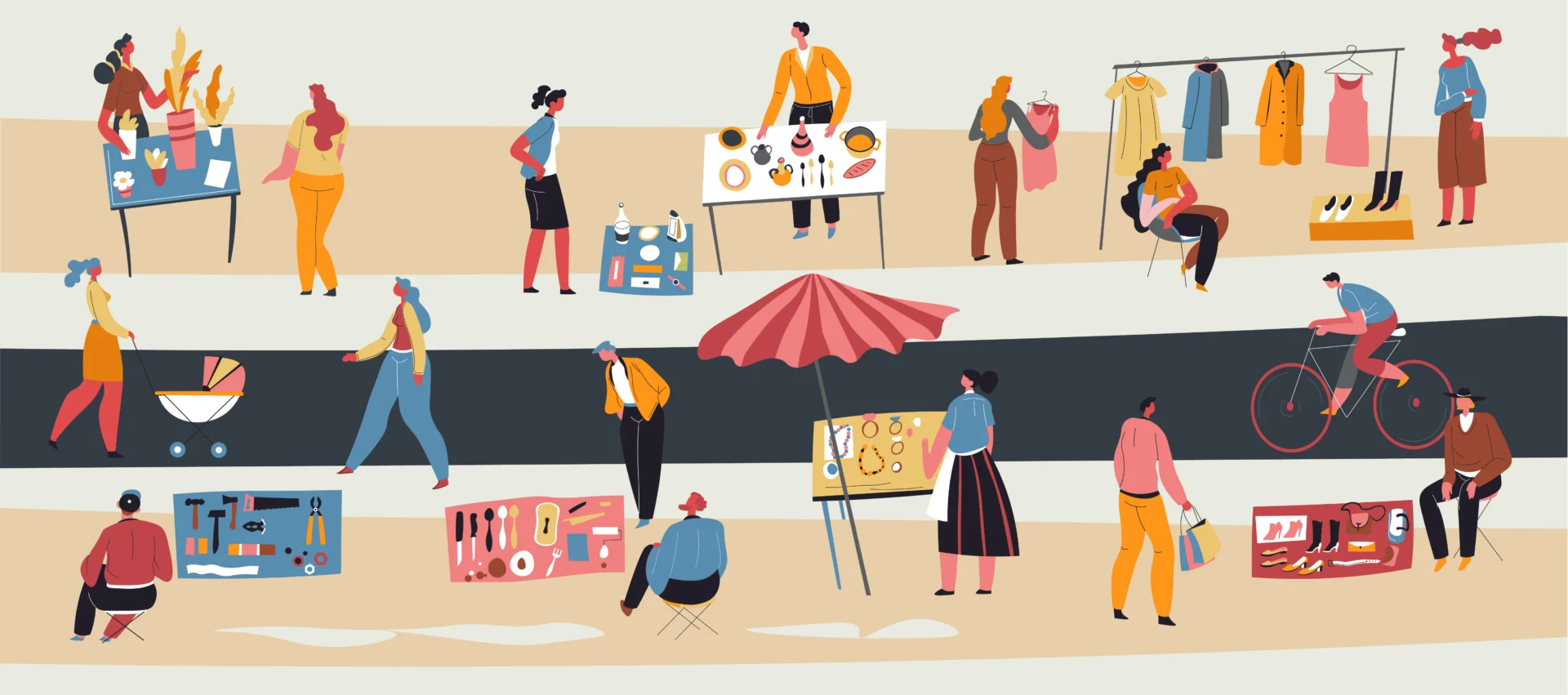
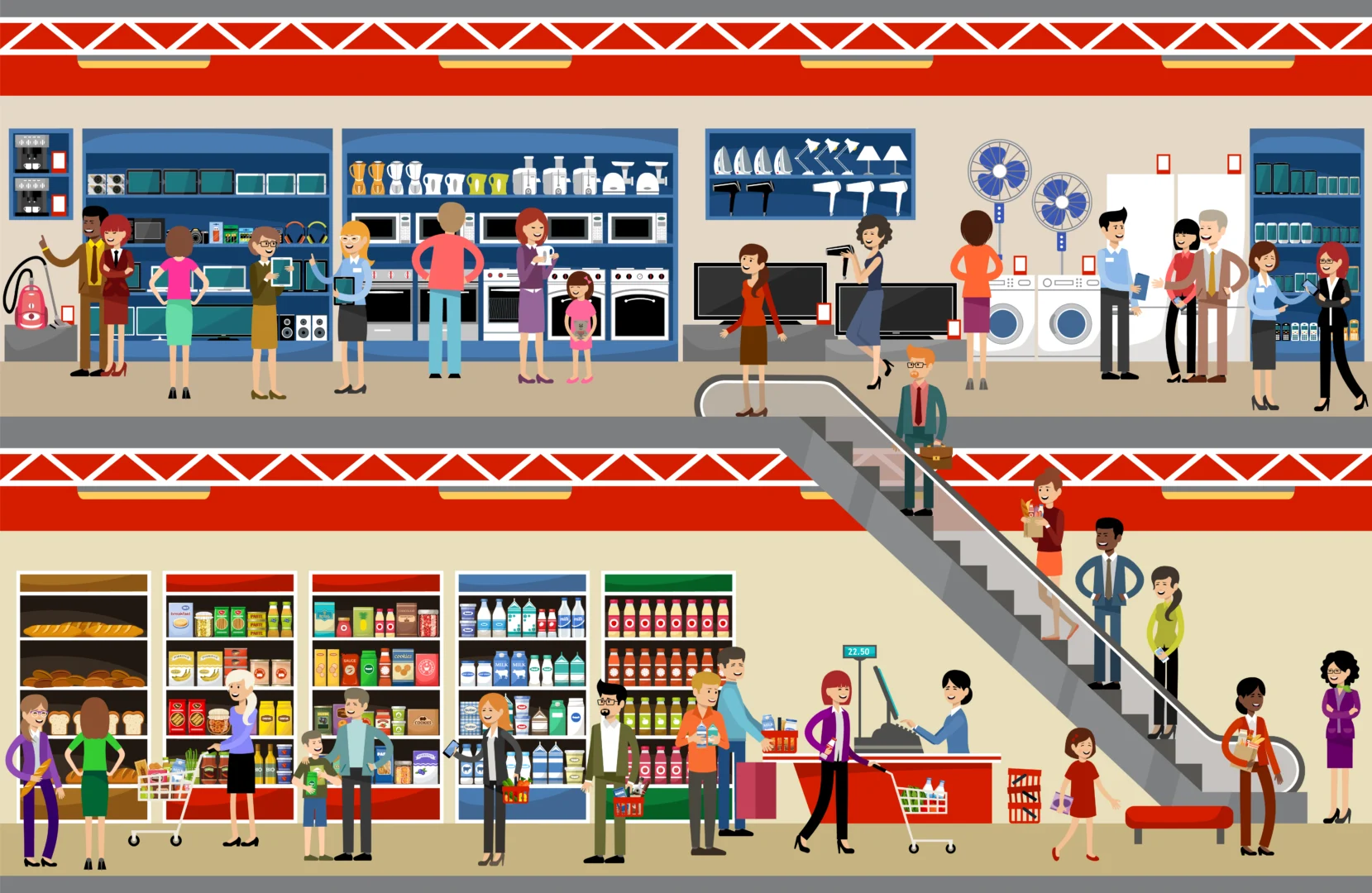
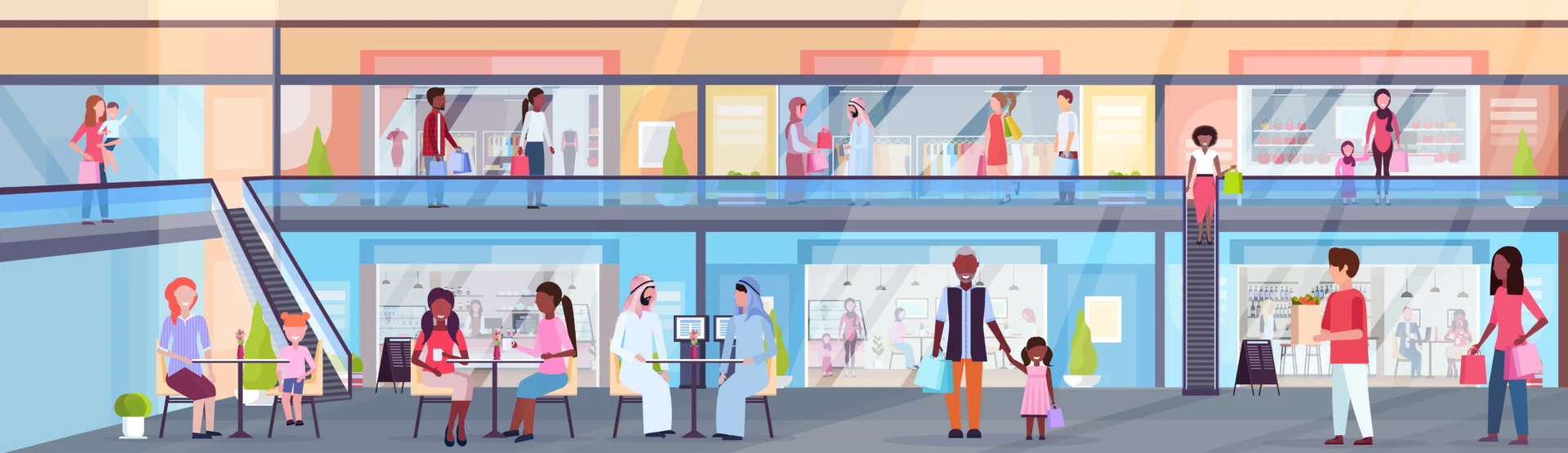
Add the Retail Shopping image set to your teaching library and bring the store into your classroom. These visuals give your students the language they need to walk in, ask for what they want, and leave feeling like capable, independent speakers.