English Doesn’t Just Happen Behind a Desk
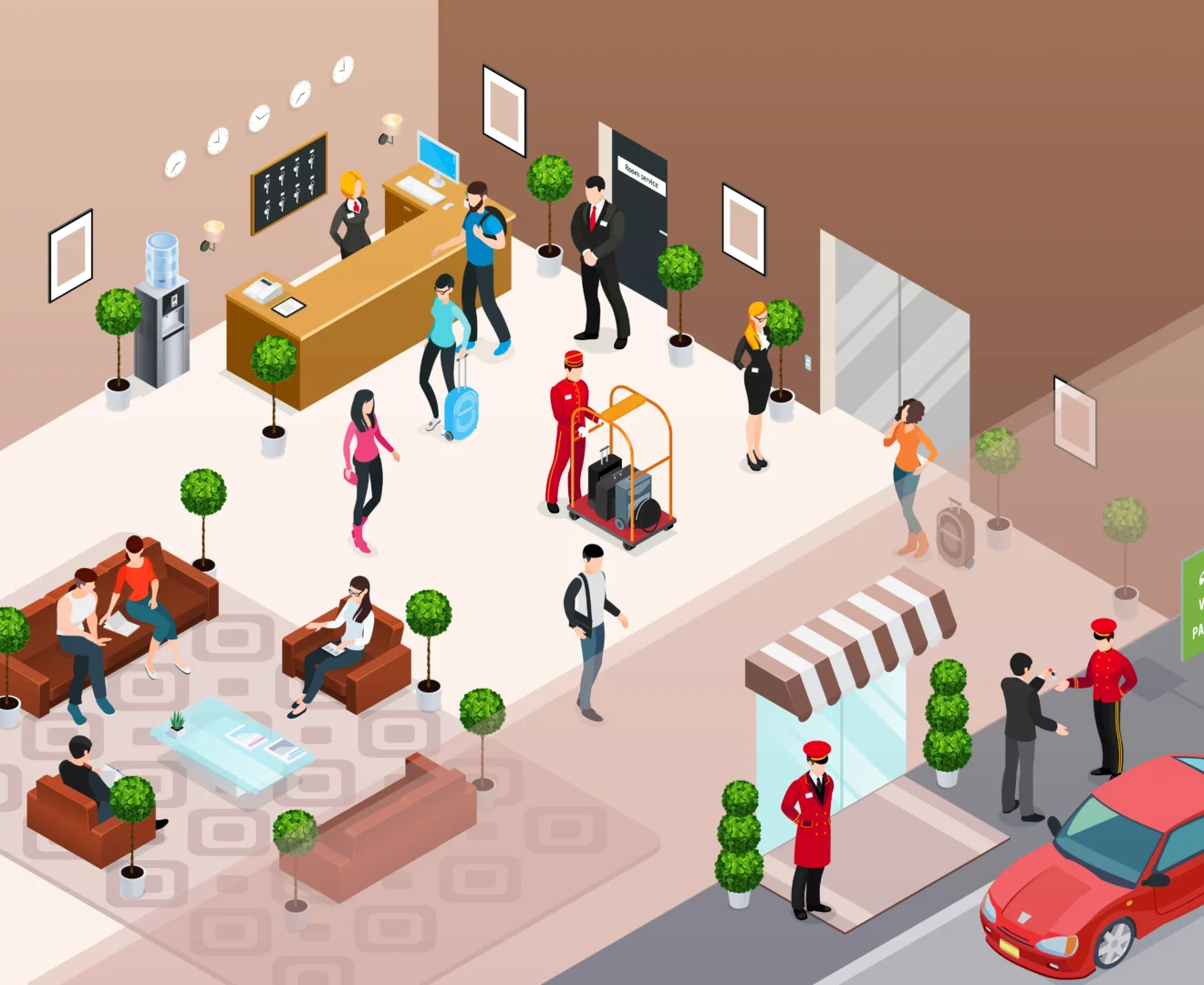
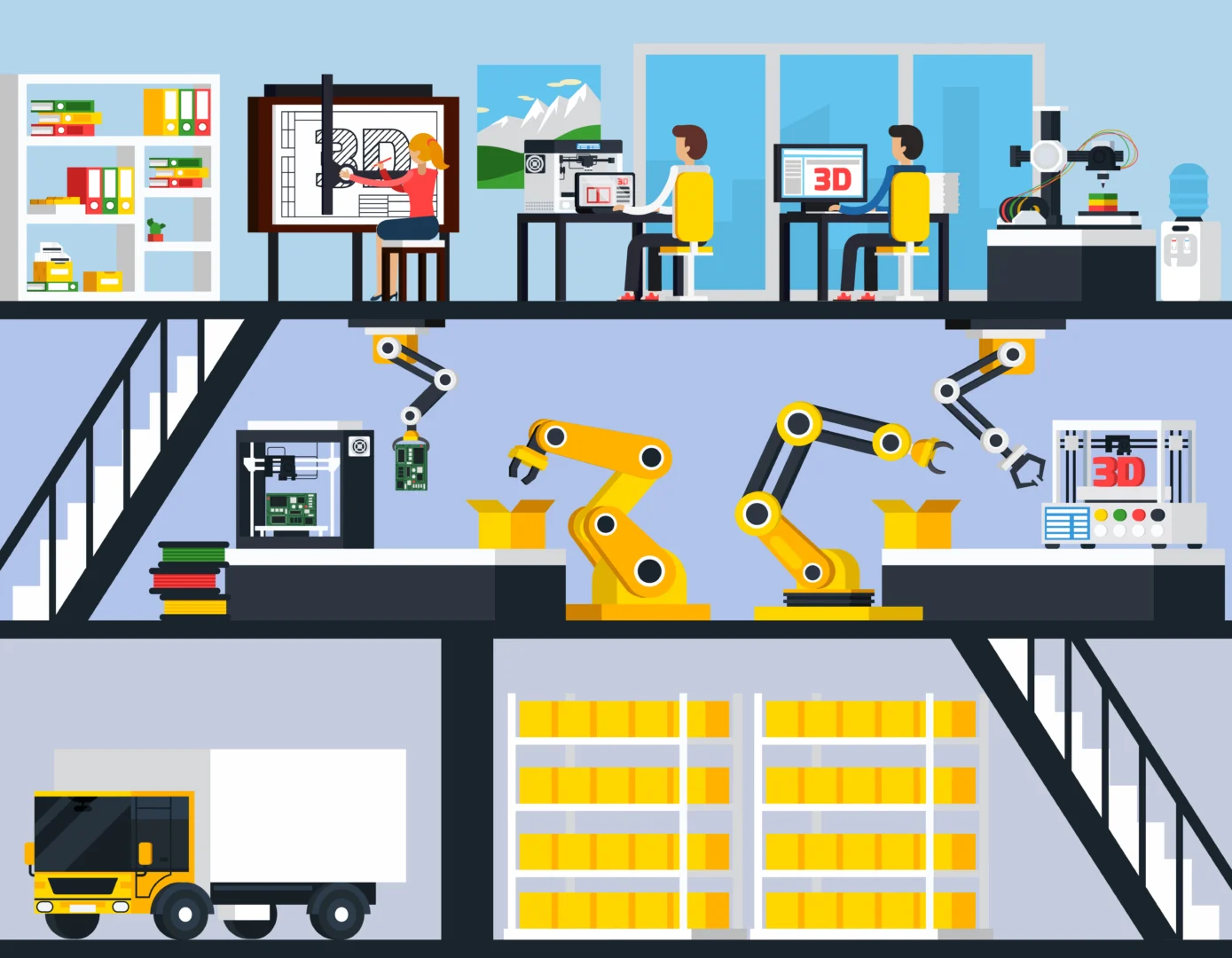
Not every workplace has a meeting room, a coffee machine in the corner, and a row of people staring at screens. Some workplaces smell like motor oil or fresh bread. Some are loud with machinery or completely silent out of necessity. Some require safety goggles, chef’s whites, or a formal robe. And yet ESL materials have a habit of treating the open-plan office as though it’s the only place where professional English matters.
It isn’t.
A factory floor has its own language. So does a restaurant kitchen, a testing facility, a courtroom, or a research lab. Workers in these environments need to communicate clearly under pressure, follow precise instructions, report problems, and coordinate with colleagues, often in situations where getting the words wrong has real consequences. For learners who work in these settings, or who are preparing to, this vocabulary isn’t supplementary. It’s essential.
There’s also a representation issue worth thinking about. Many English learners work in trades, food service, manufacturing, healthcare, or technical roles. When every workplace image they see in class shows someone in a blazer at a laptop, it sends an unintentional message that professional English belongs to a certain kind of job. Broadening the range of workplaces in your materials changes that, and students notice.
These environments also generate very specific, highly functional language. The difference between “the batch failed quality control” and “the order is behind schedule” matters. Knowing how to report a hazard, request clarification on a procedure, or describe what a piece of equipment does are skills that learners in non-corporate roles need just as much as anyone learning to write a professional email.
From a classroom discussion standpoint, this topic tends to draw out students who might otherwise hold back. Someone who has worked in a kitchen, a warehouse, or a garage often has more to say about their professional world than the coursebook ever gave them room to express.
Add the Workplace Settings image set to your library and make sure your lessons reflect the full range of places where your students actually work. Because for a lot of learners, the most important professional English they will ever use has nothing to do with a desk.