Scenes Filled With Finds, People, and Open‑Air Energy
Outdoor markets come in many forms. Some appear only on weekends, others stretch along a street for hours, and some pop up in front yards with tables full of secondhand treasures. Each one has its own rhythm. Vendors arrange their items, visitors browse without rushing, and conversations drift through the air as people compare prices or ask about an item’s story.
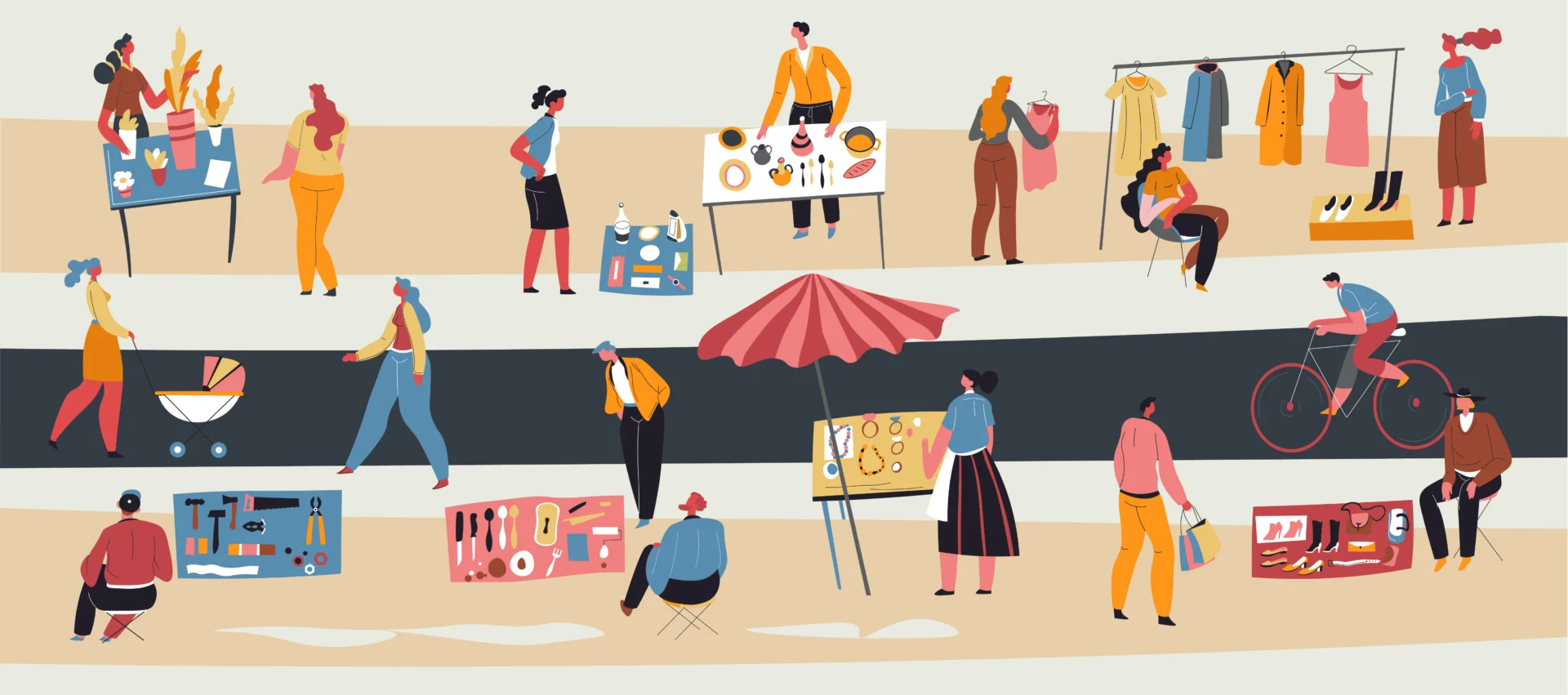
For English learners, these settings offer a wide range of things to describe. A table covered in books, a rack of vintage clothes, baskets of fruit, handmade crafts, or a family sorting through boxes at a garage sale. Every stall looks different, and every shopper behaves differently. This variety gives learners plenty of material to talk about without needing specialized vocabulary.
Outdoor markets also show how people interact in relaxed public spaces. Someone might ask about the price of an item, negotiate politely, or explain why they are looking for something specific. These small exchanges help learners practice useful phrases that feel natural and approachable.
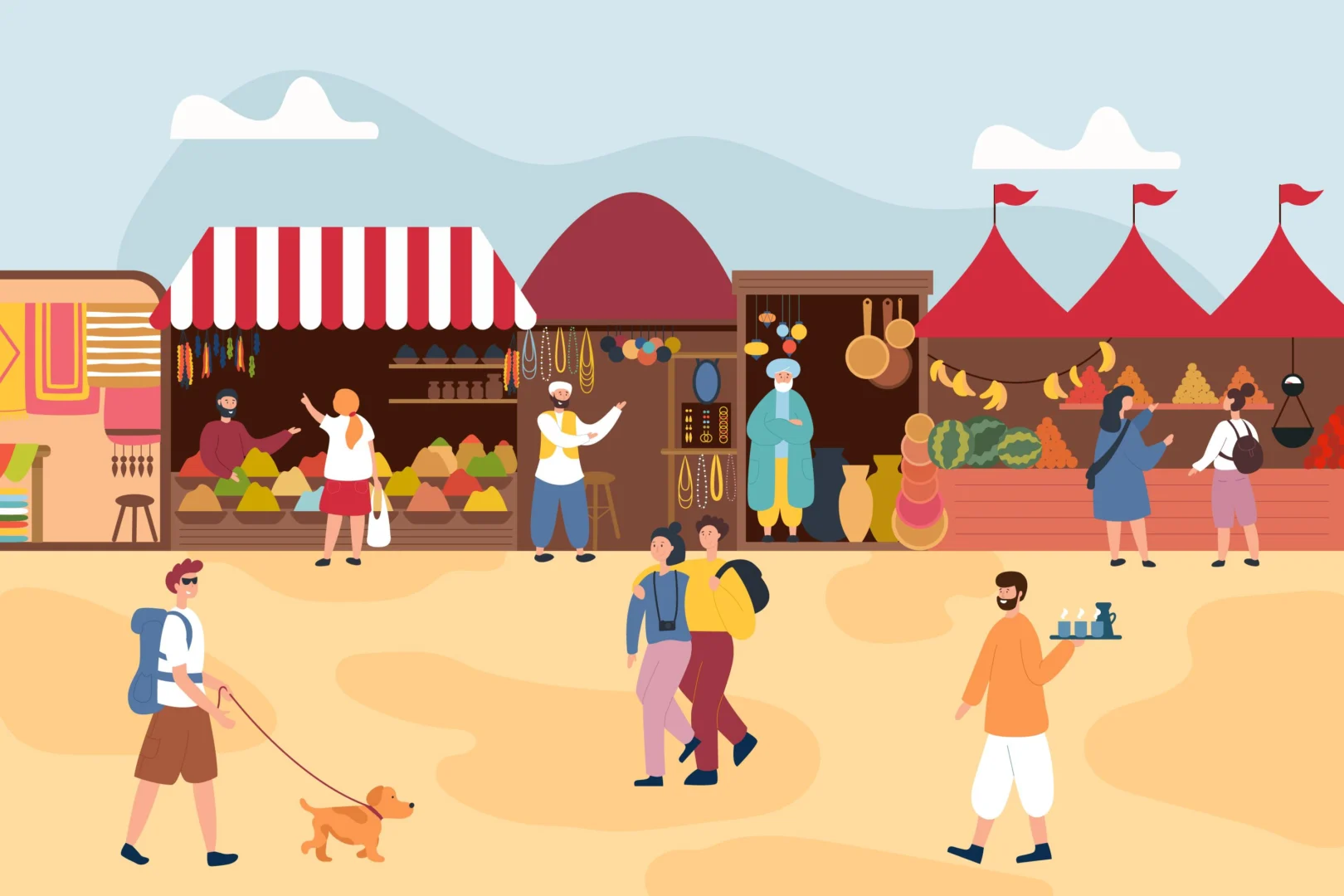
There is also the visual side. Bright fabrics hanging from a tent, old tools laid out on a blanket, fresh produce stacked in neat rows, or a vendor preparing snacks for passersby. These details help learners build descriptive language that feels vivid and specific.
Even the atmosphere adds something to talk about. The sound of people chatting, the smell of food cooking nearby, or the sight of children running between stalls. These elements help learners express impressions, preferences, and reactions.
Some markets feel calm, others feel busy, and the atmosphere can shift from one corner to the next. A quiet stall might sit beside a lively food stand, and a shaded area might open into a bright stretch of colorful displays. These contrasts give learners plenty to notice and talk about.
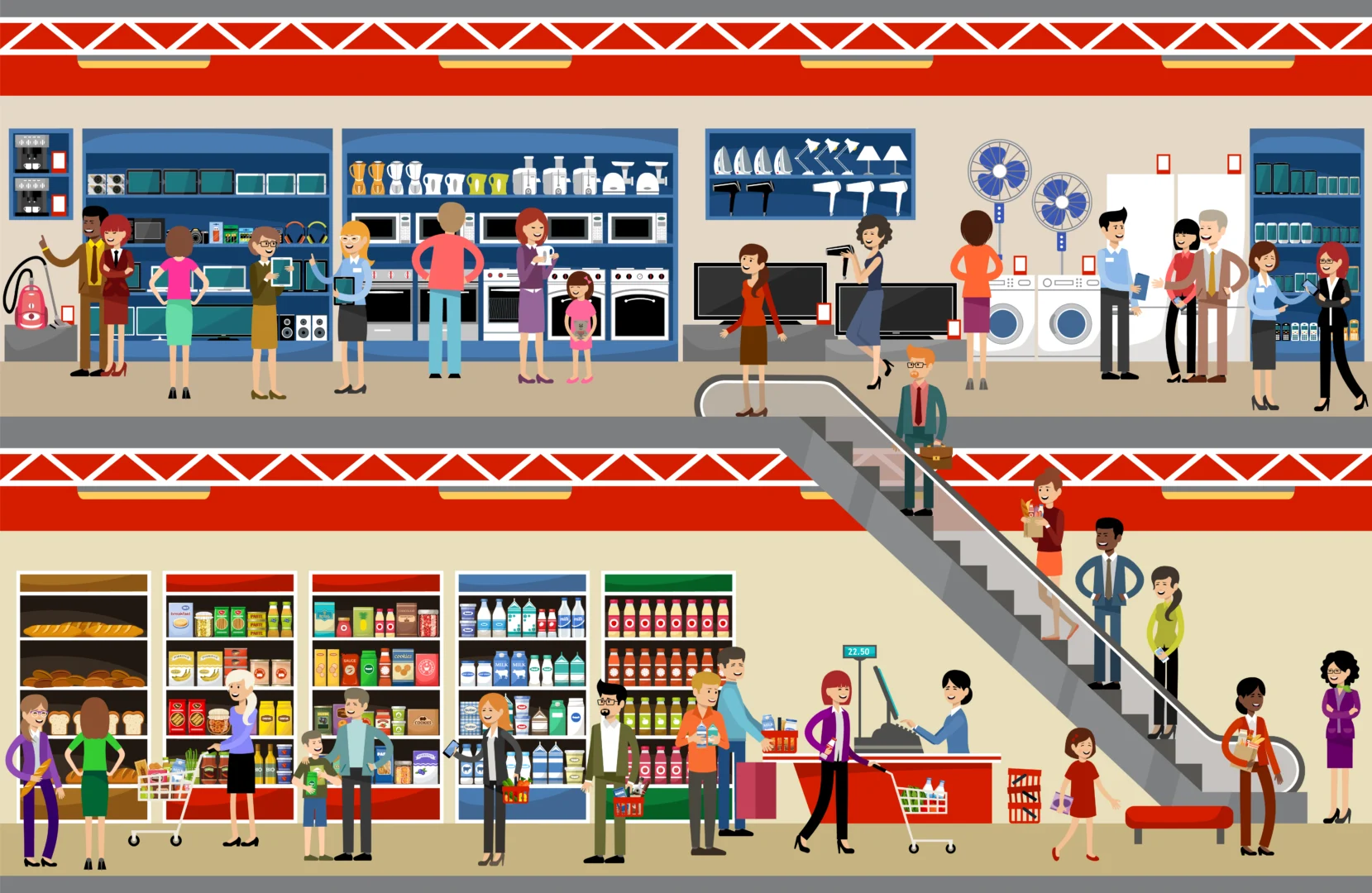
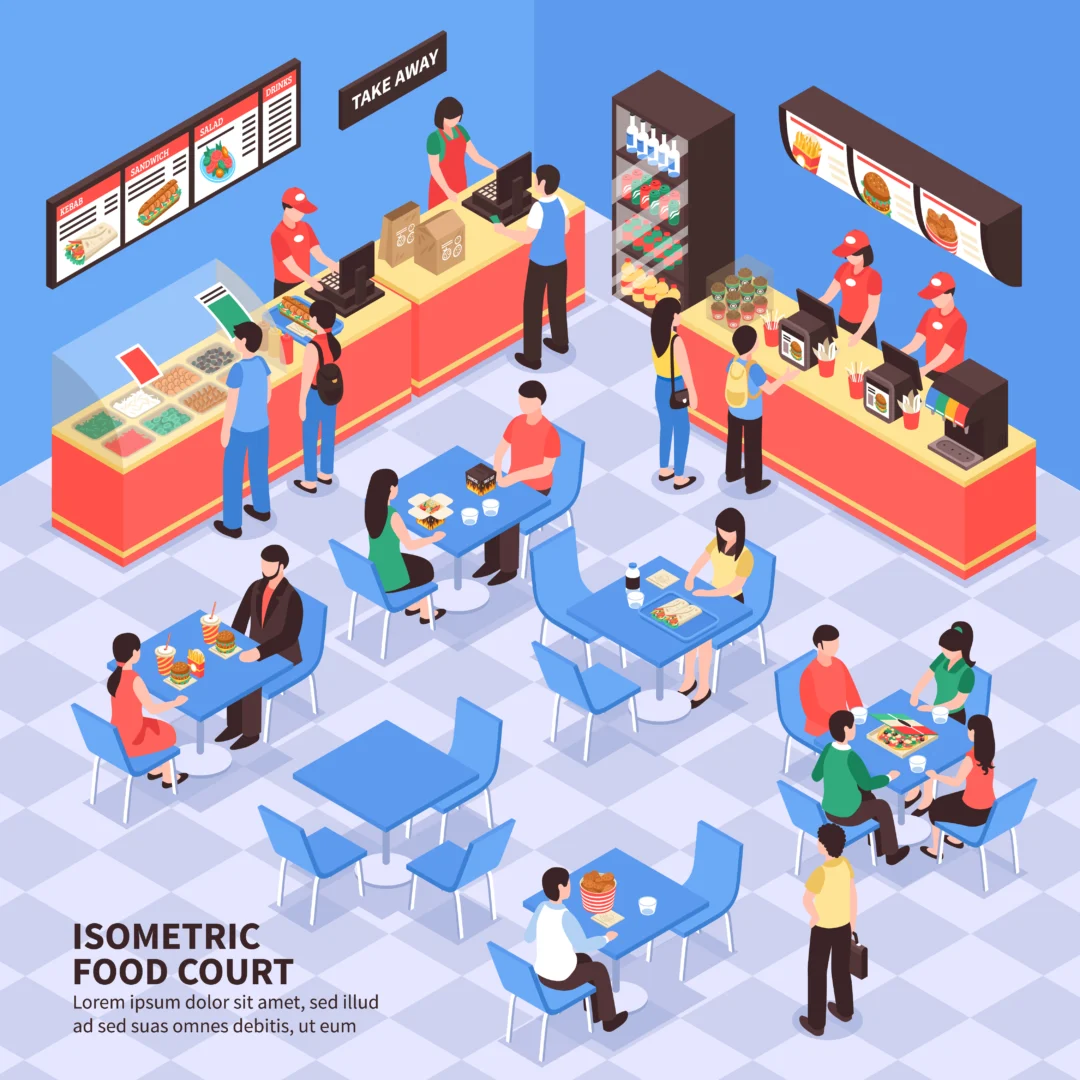
Save the Outdoor Markets images so your lessons include scenes that spark natural conversation. These photos give learners something real to describe, from the items on display to the people browsing, which helps them practice vocabulary and speaking skills in a setting that feels lively and easy to talk about.