The Errands That Shape a Week without Anyone Noticing
A grocery store is one of the few places where everyone shows up with a purpose. Some arrive with a list, others wander until something catches their eye, and a few simply hope they remember what they came for. The aisles feel familiar, but the experience changes depending on the time of day, the crowd, and the mood you bring with you.
For English learners, this setting is rich without being overwhelming. It’s full of small decisions and quick observations. Someone compares two brands, checks an expiration date, or tries to understand a label that uses unfamiliar words. These moments create natural chances to talk about choices, preferences, and everyday routines.
The store also reveals how people manage their time. Some shoppers move quickly, grabbing what they need and heading straight to the checkout. Others take their time, reading ingredients or debating whether to try something new. These habits open the door to conversations about personality, lifestyle, and the small rituals that shape daily life.
There’s also the social side of shopping. People wait in line, ask where something is, or apologize when carts get too close. These interactions may be brief, but they show how language works in real situations. They’re unscripted, practical, and easy for learners to relate to.
The environment itself offers plenty to describe. The bright colors of the produce section, the hum of refrigerators, the quiet concentration of someone comparing prices. These details help learners practice descriptive language that feels real rather than abstract.
A grocery store shows how people make decisions, how they organize their days, and how they interact with strangers. Talking about this space gives learners a chance to use English that connects directly to their lives.
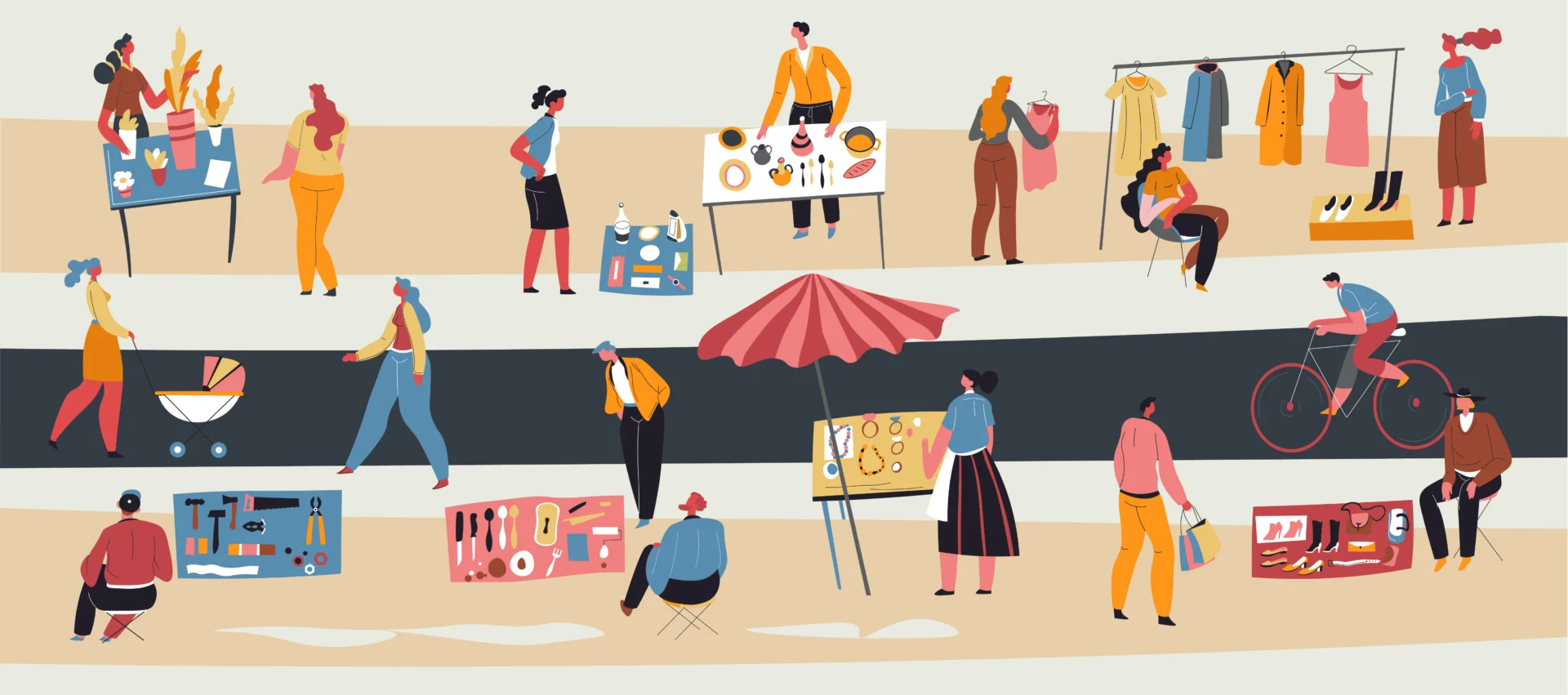
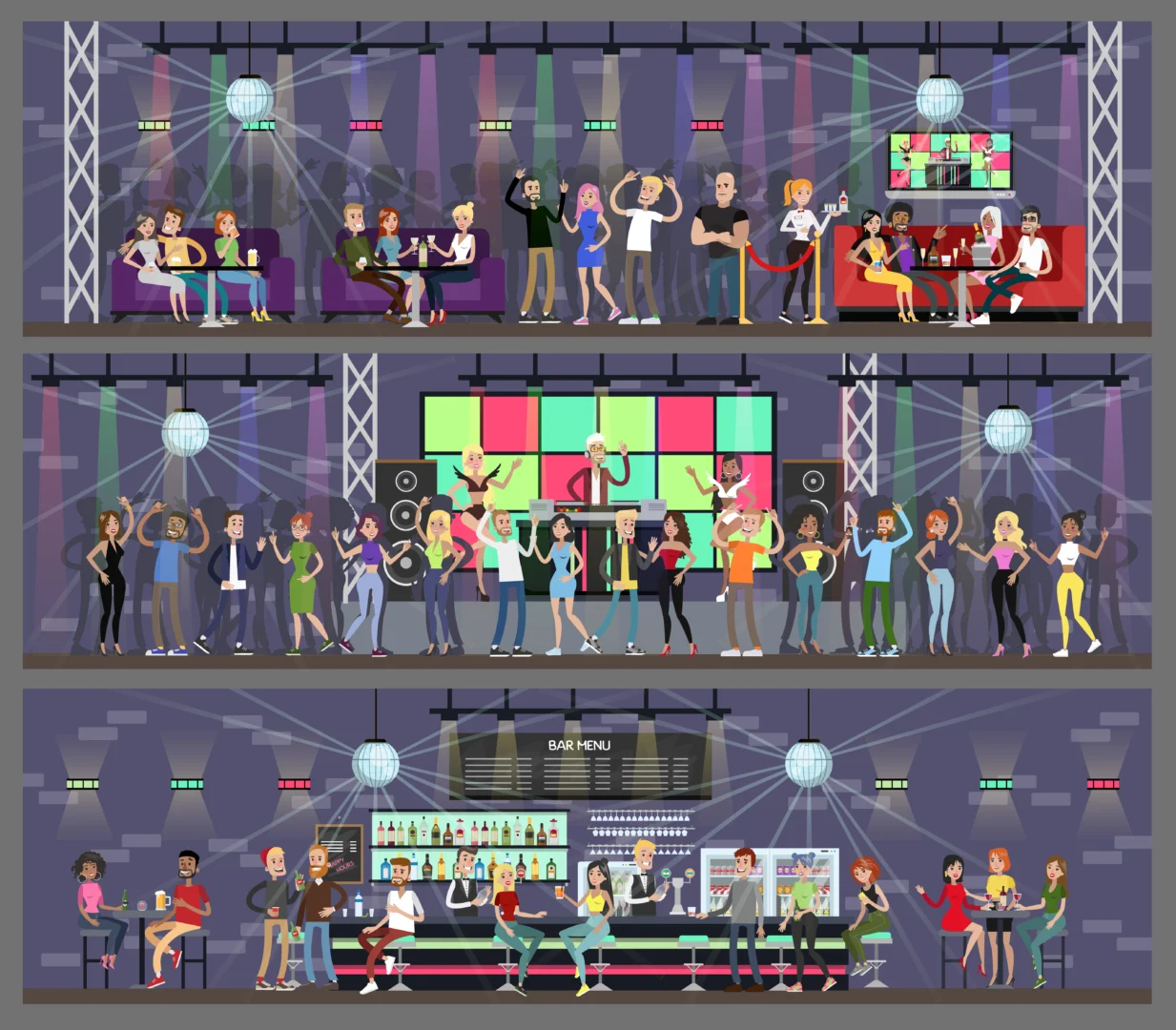
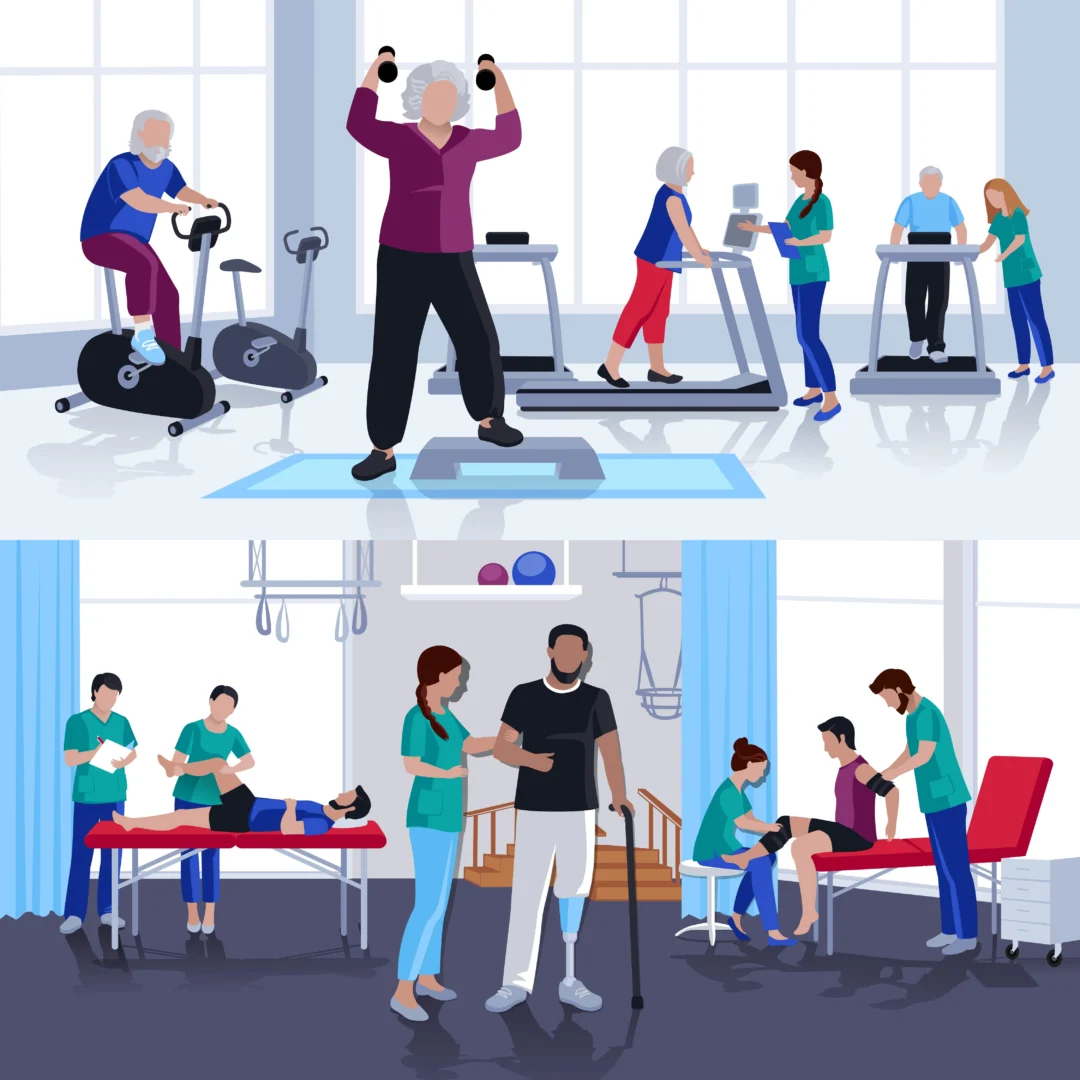
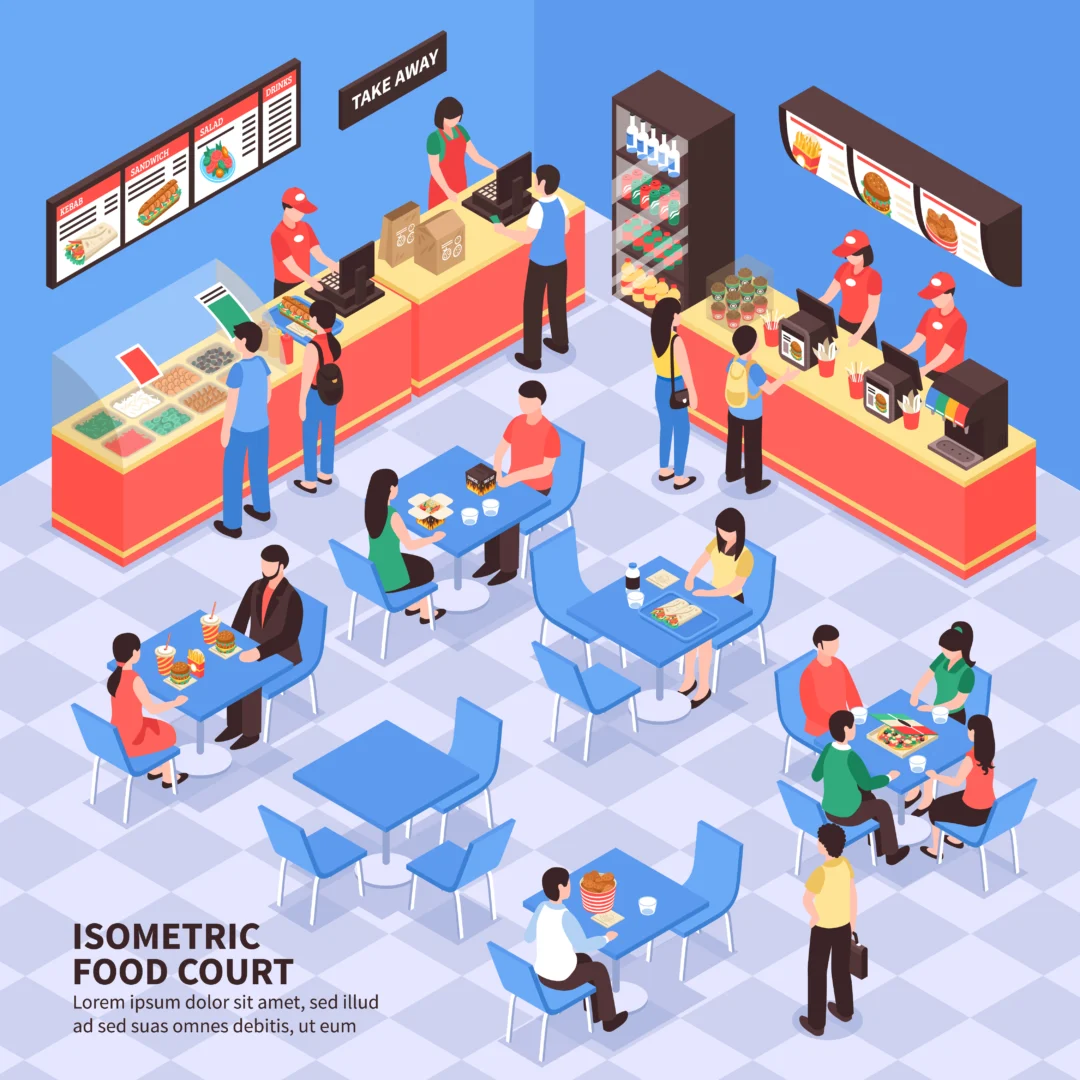
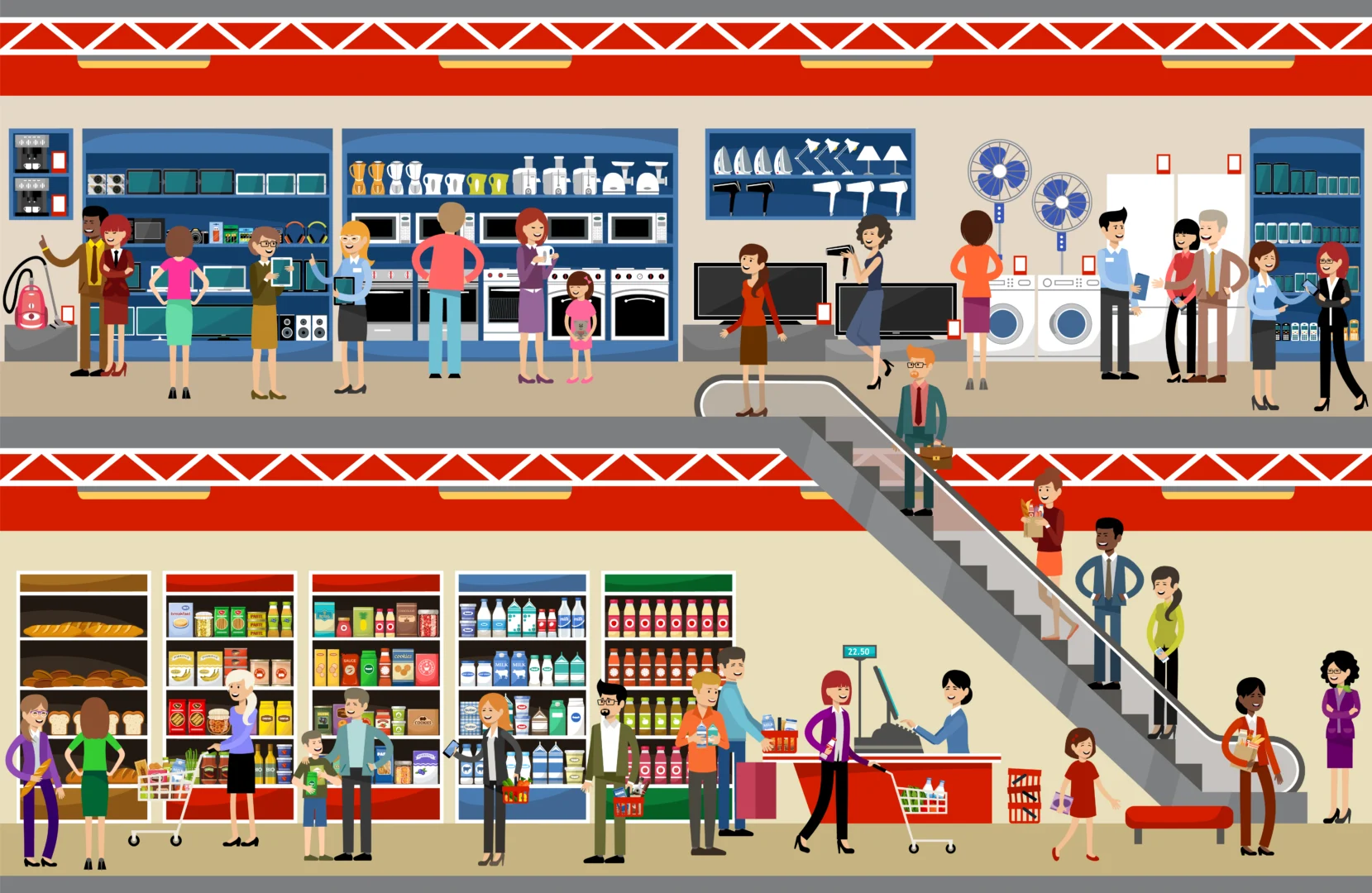
To anchor this topic in the classroom, add the Grocery Store images and use them as quick “spot and speak” moments. Display an image and have students call out anything they notice without waiting for turns or planning sentences. The goal is speed, not perfection. This fast-paced approach keeps the room lively and helps learners speak from instinct, the same way they react to real scenes in real stores.