The Meaning We Find in Moments of Joy
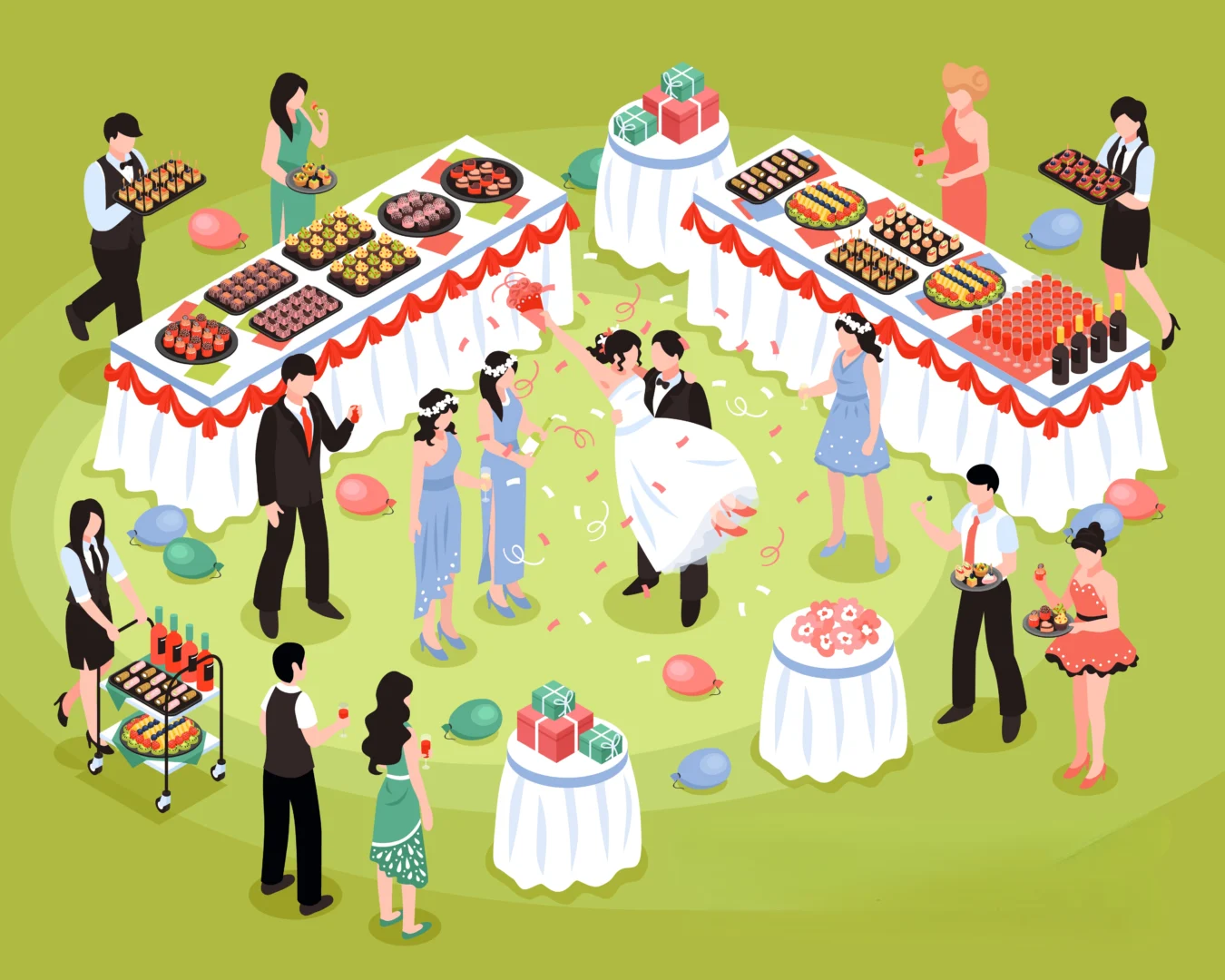
Celebration often begins with a feeling rather than a plan. Someone smiles a little wider, someone brings others together, and suddenly the moment becomes something people want to hold onto. These gatherings, big or small, remind us that joy is easier to feel when it is shared.
For English learners, talking about celebration gives them a way to express emotion in a language that may still feel new. They speak about the people who were present, the atmosphere in the room, or the reason the moment stayed with them. These details help them use English in a way that feels honest and personal.
Celebration also reveals what matters to people. A simple toast, a shared meal, a meaningful gesture, or a moment of recognition can carry deep significance. When learners describe these experiences, they practice language that reflects connection, gratitude, and belonging.
Every culture celebrates differently, and these differences create rich conversations. Some moments are lively and full of movement. Others are quiet and thoughtful. When learners talk about how they mark important experiences, they begin to understand one another in a deeper way. They see how values and relationships shape the way people come together.
This topic also helps learners explore memory. They recall the sounds, the colors, the faces, and the emotions tied to a particular moment. Speaking about these memories helps them build confidence because the language grows out of something real.
Celebration reminds us that language is not only about communication. It is also about feeling connected to others. When learners share the moments that brought them joy, they speak with a kind of openness that brings warmth into the room.
Invite this topic into your lessons and let students bring forward the memories that matter to them. It creates a space where English feels alive, personal, and full of meaning.