Where Mess, Life, and Responsibility Collide
Some days start with good intentions and end with a house that looks like it never got the memo. A sink full of dishes, laundry that didn’t quite make it to the basket, a pet that knocked something over, a child who left a trail of toys behind them. By the time evening arrives, the list of things to do feels longer than it did in the morning.
For English learners, this kind of day is familiar. Many of them juggle work, family, and home responsibilities in a language that isn’t their first. They come home tired, only to face chores that won’t wait. Talking about these moments gives them a way to express the reality of daily life, not the polished version that appears in textbooks.
Everyday exhaustion shows up in small details. Someone might describe the pile of mail they haven’t sorted, the groceries they forgot to buy, or the mess their dog made while they were out. These situations create natural opportunities to practice vocabulary for tasks, objects, and routines. The language grows out of real frustration, real humor, and real life.
This topic also opens the door to conversations about pressure. Learners talk about the challenge of keeping a home organized, especially when time is short. They mention the feeling of coming home after a long shift and still needing to cook, clean, or help children with homework. These stories help them use English to express stress, responsibility, and the need for rest.
There is also room for connection. Many learners discover that others in the room share the same experiences. Someone else has a cat that knocks things off tables. Someone else has a toddler who empties drawers faster than they can be filled. Someone else knows the feeling of trying to tidy up while already running on empty. These shared moments help learners speak more freely because they feel understood.
Everyday exhaustion reflects the kind of life learners actually live. When they talk about these moments, they practice English that feels useful, personal, and real.
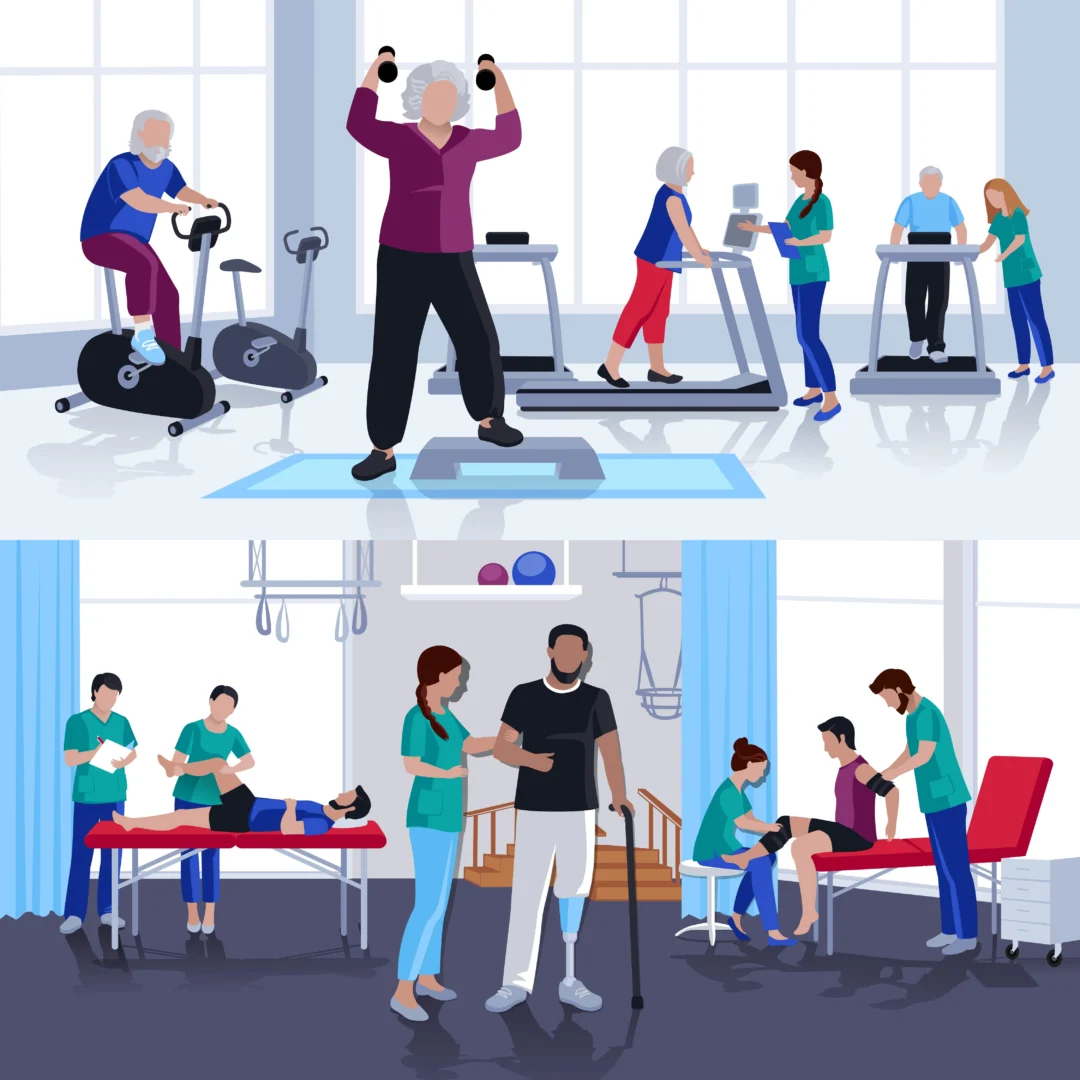
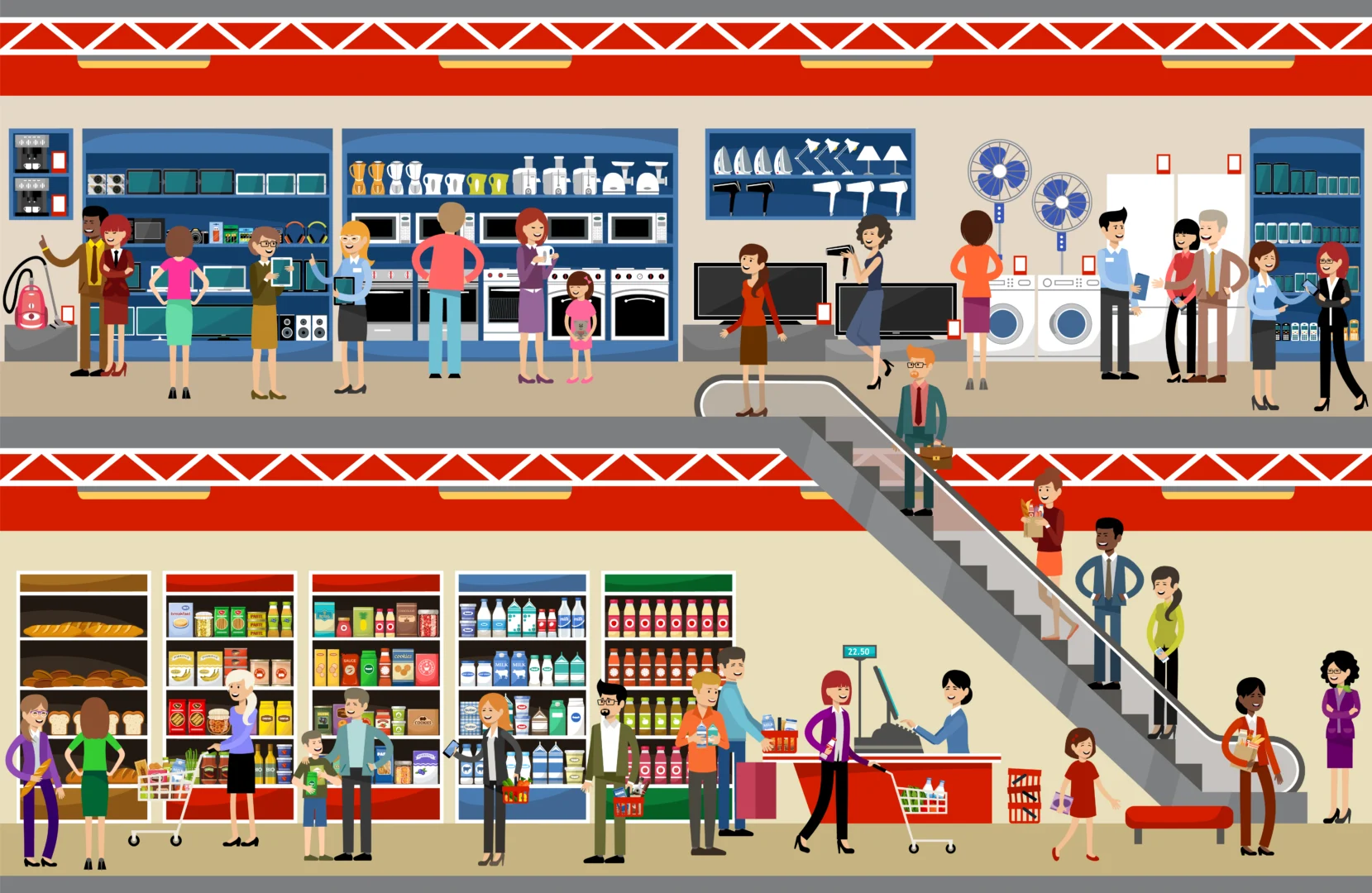
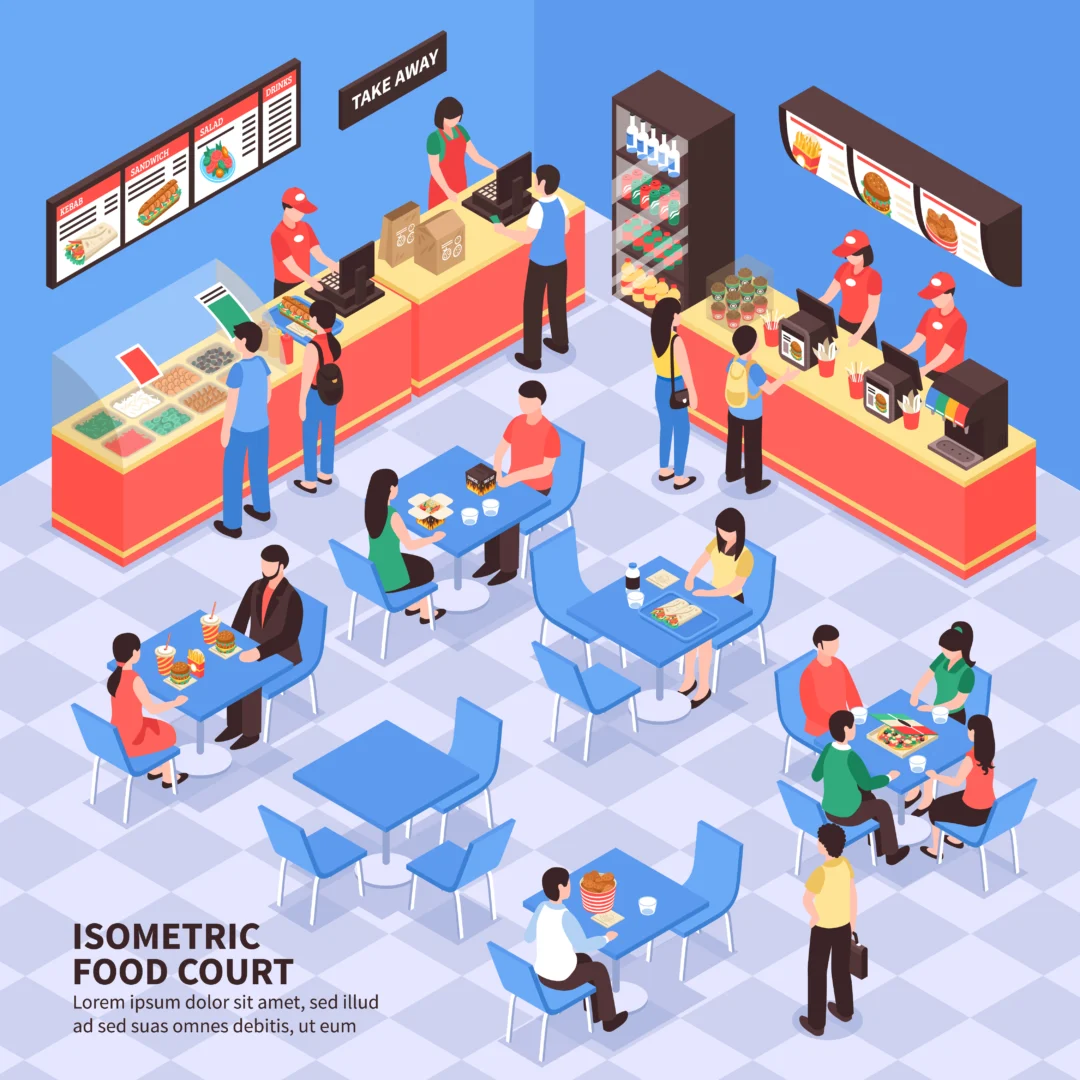
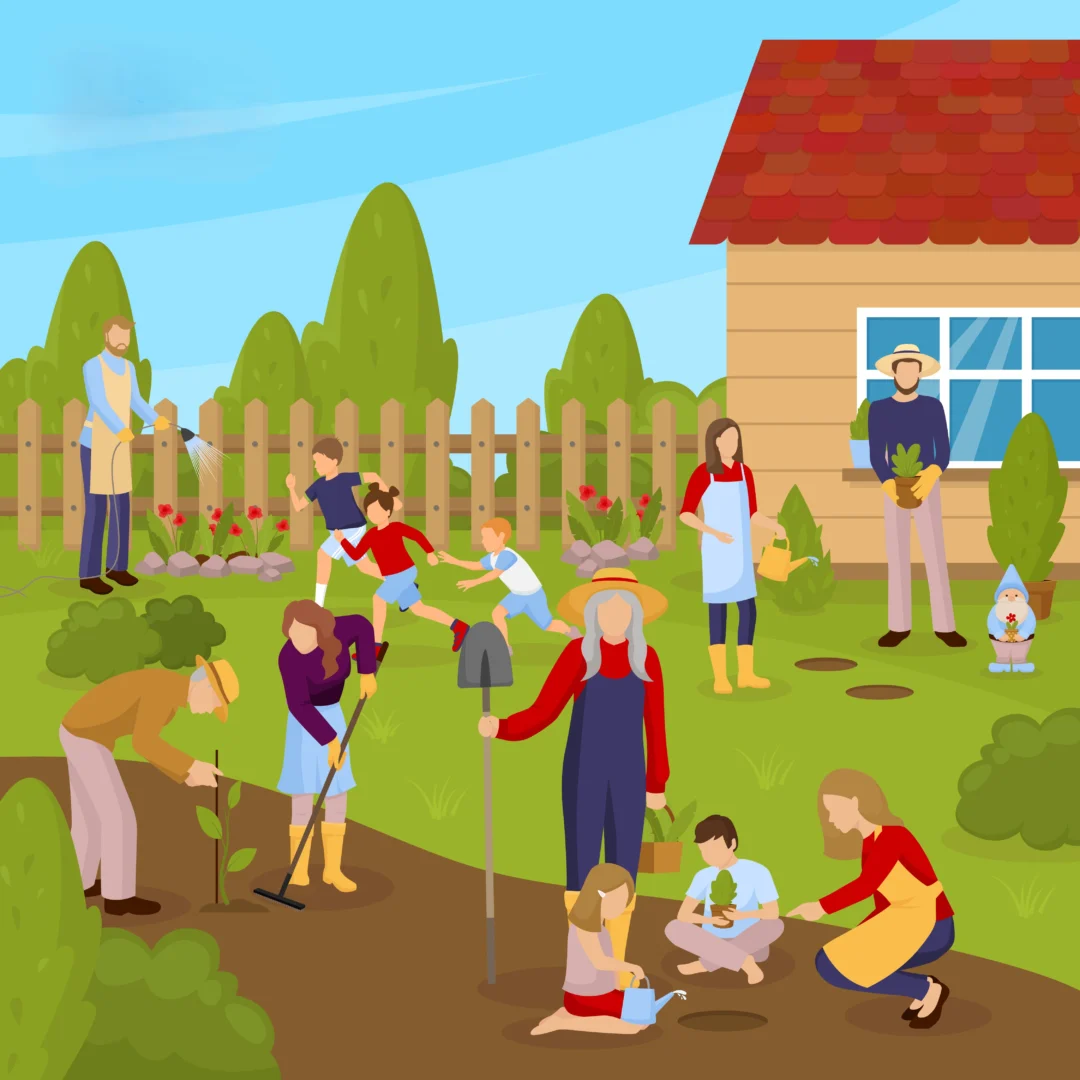
Include the Everyday Exhaustion images in your lesson and turn them into quick‑fire prompts. Show one picture and have students react instantly with the first thought that comes to mind. No planning. No organizing. Just honest reactions to the chaos in front of them. This approach gives learners a chance to speak freely, without worrying about perfect sentences, and the images act as sparks that keep the conversation moving.