A Living Classroom in the Middle of the City
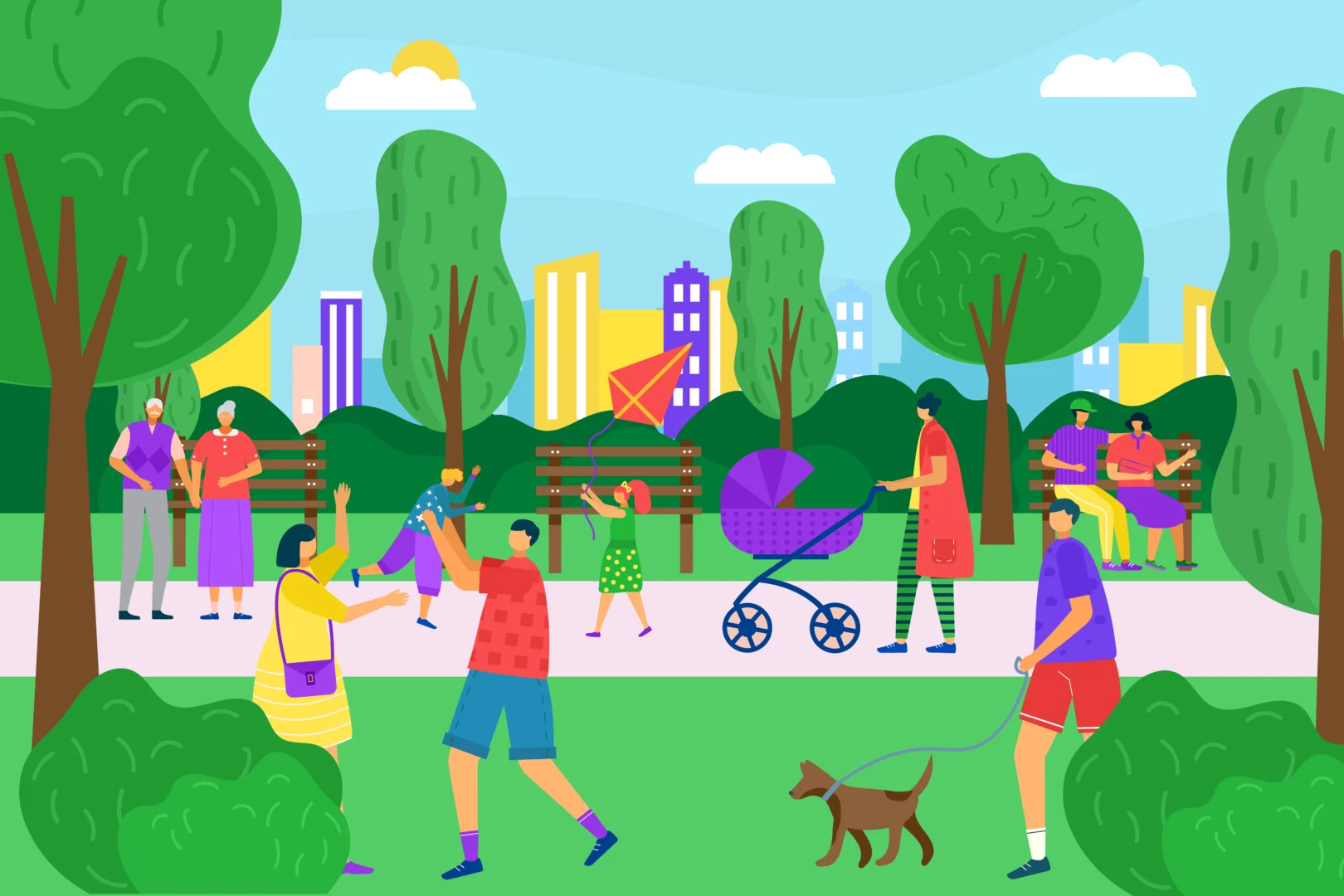
A city park is one of the few places where people from every part of a community cross paths without planning to. Children run across open fields, older adults settle into familiar benches, and workers drift through on their lunch breaks. The space changes throughout the day, shaped by whoever happens to be there. For English learners, this environment offers a steady stream of language that feels natural and unforced.
Parks are full of movement, and movement creates opportunities for communication. Someone might ask for directions to a trail, check whether a field is free, or comment on the weather while waiting near a fountain. These small exchanges help learners practice English that appears in everyday life. The language is simple, but the confidence it builds is meaningful.
A park also gives learners a chance to talk about surroundings in a clear and concrete way. They can describe the layout of the space, the sounds they hear, or the activities happening around them. This kind of description helps them develop vocabulary for places, actions, and atmosphere. It also encourages them to pay attention to details they might normally overlook.
City parks often reflect the character of the neighborhoods around them. Some are lively gathering spots with sports, music, and community events. Others are quiet areas where people read, walk, or enjoy a moment of calm. When learners talk about parks from their own cities or countries, they begin to compare how public spaces are used in different cultures. These comparisons help them understand how communities express themselves through shared environments.
The topic also supports conversations about routines. Many people visit parks regularly, whether for exercise, relaxation, or socializing. Learners can talk about when they go, what they do, and how the space makes them feel. These discussions help them practice language for habits, preferences, and daily life.
City parks are also places where people observe one another. They notice families picnicking, friends playing games, or individuals enjoying quiet time alone. Talking about these scenes helps learners practice vocabulary for people, actions, and interactions. It also gives them a way to discuss community life in a simple, approachable way.
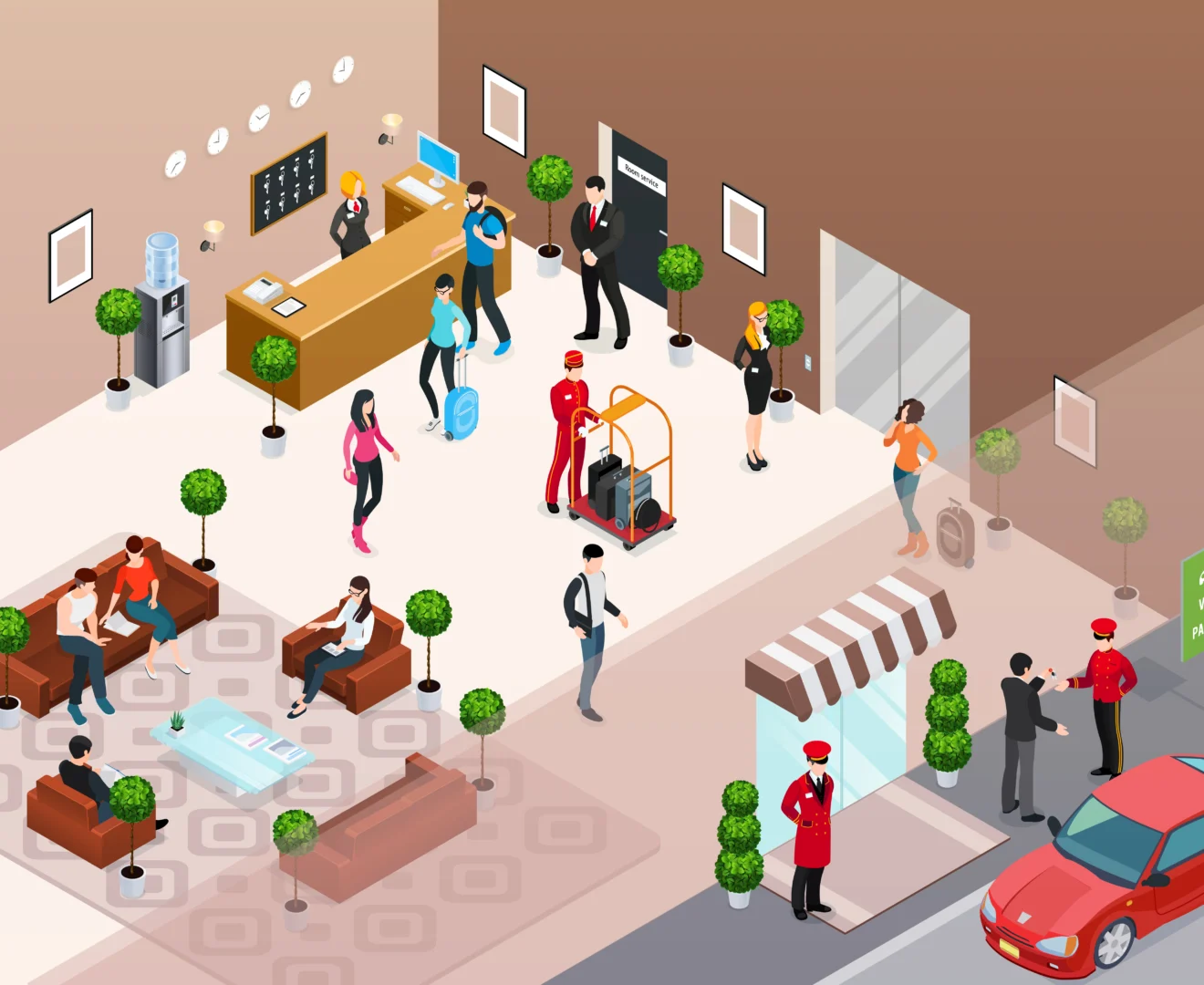
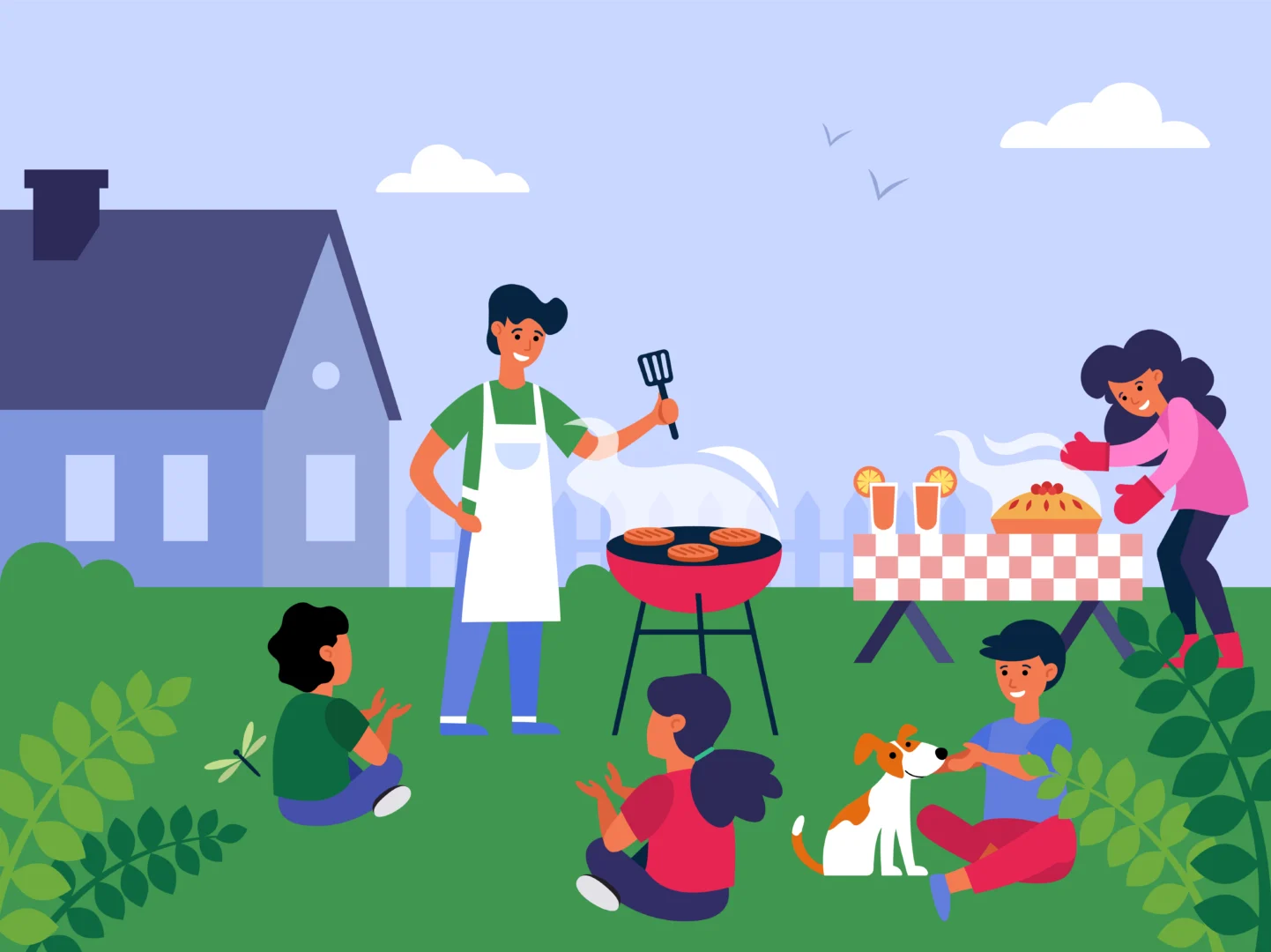
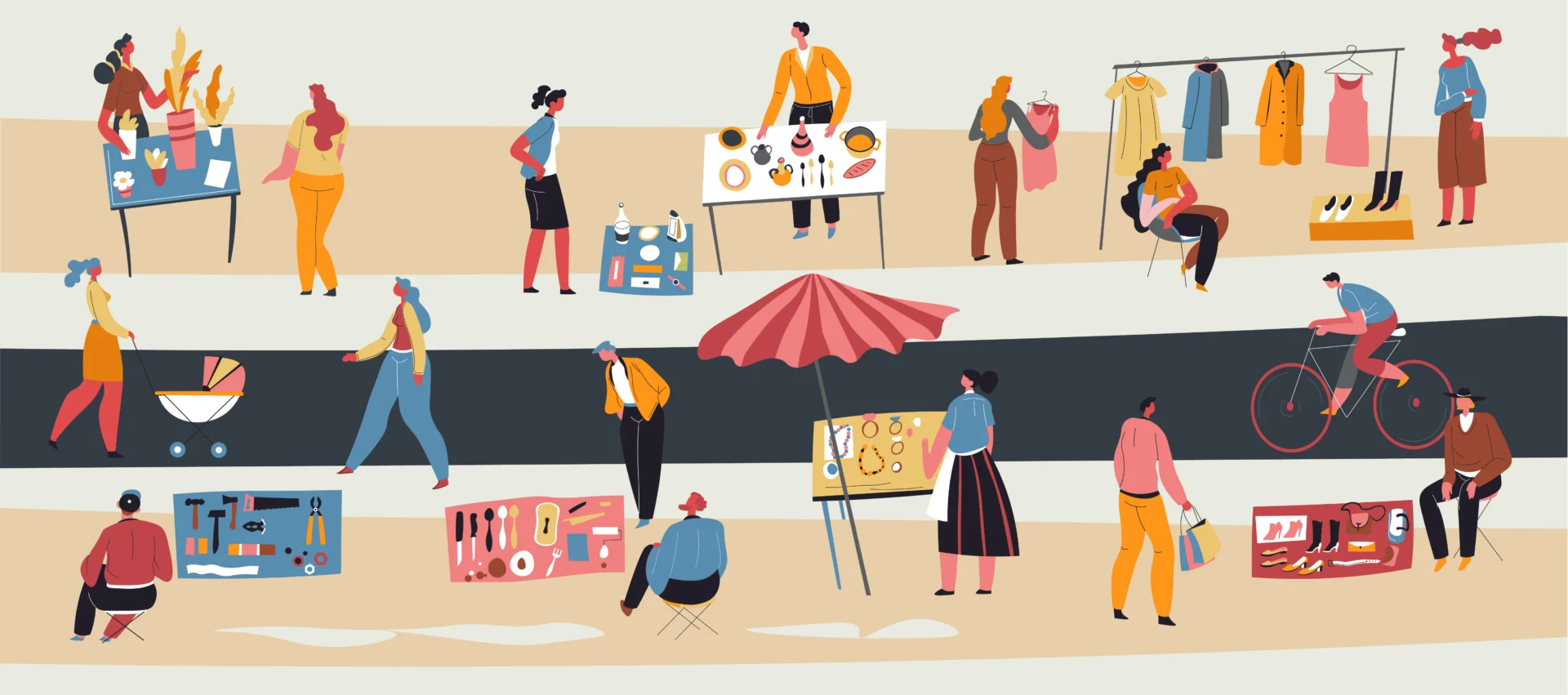
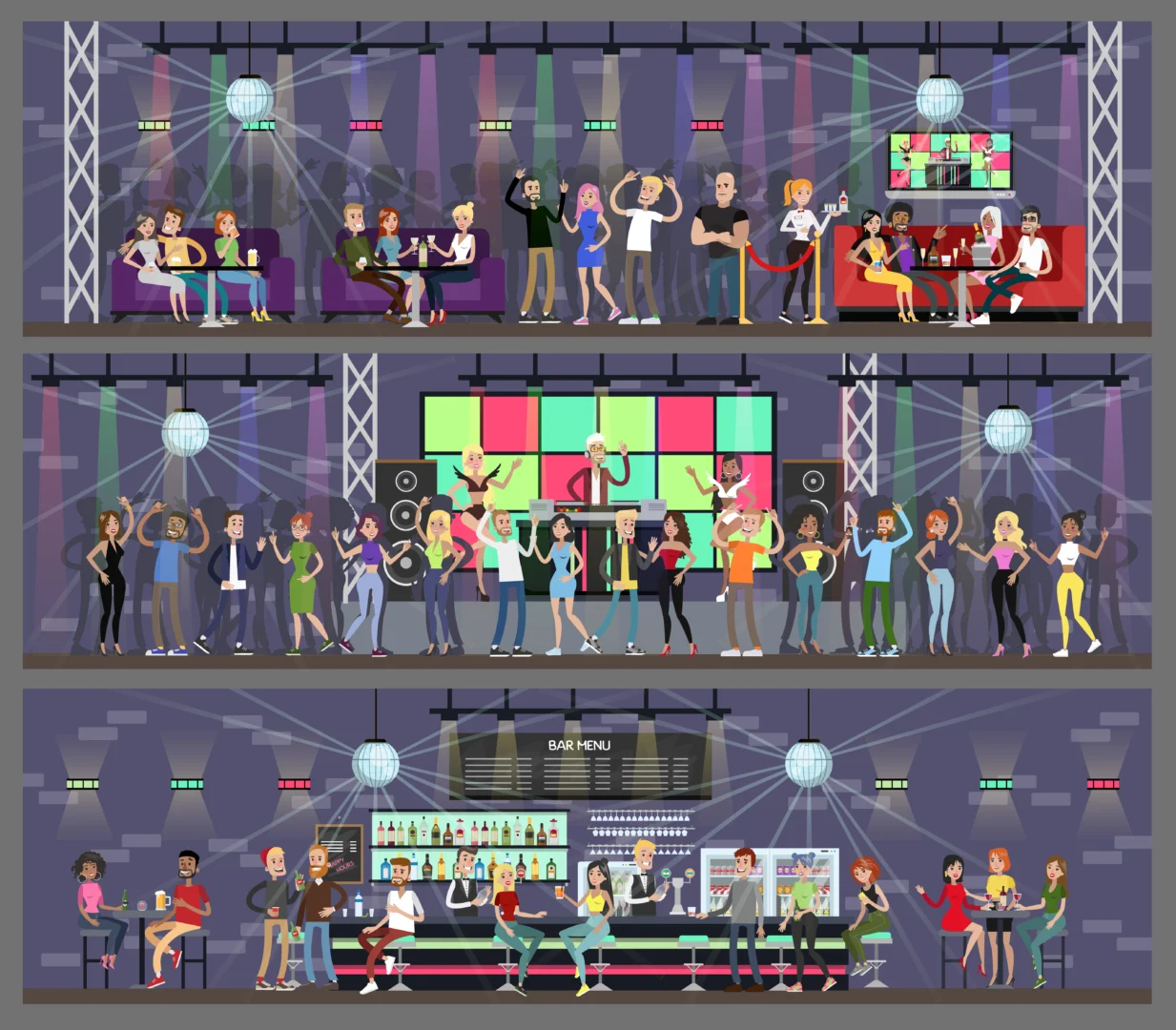
Use city park visuals as a way to open the room. Place them where students can take their time with them, noticing the people, the movement, and the spaces that shape the scene. Let the images act as a quiet starting point for conversation, giving learners something real to talk about before the lesson expands. The more naturally they enter the scene, the more naturally the language will follow.