Skip to content

Food and Cooking

From Grocery Lists to Dinner Conversations, Food Is Everywhere

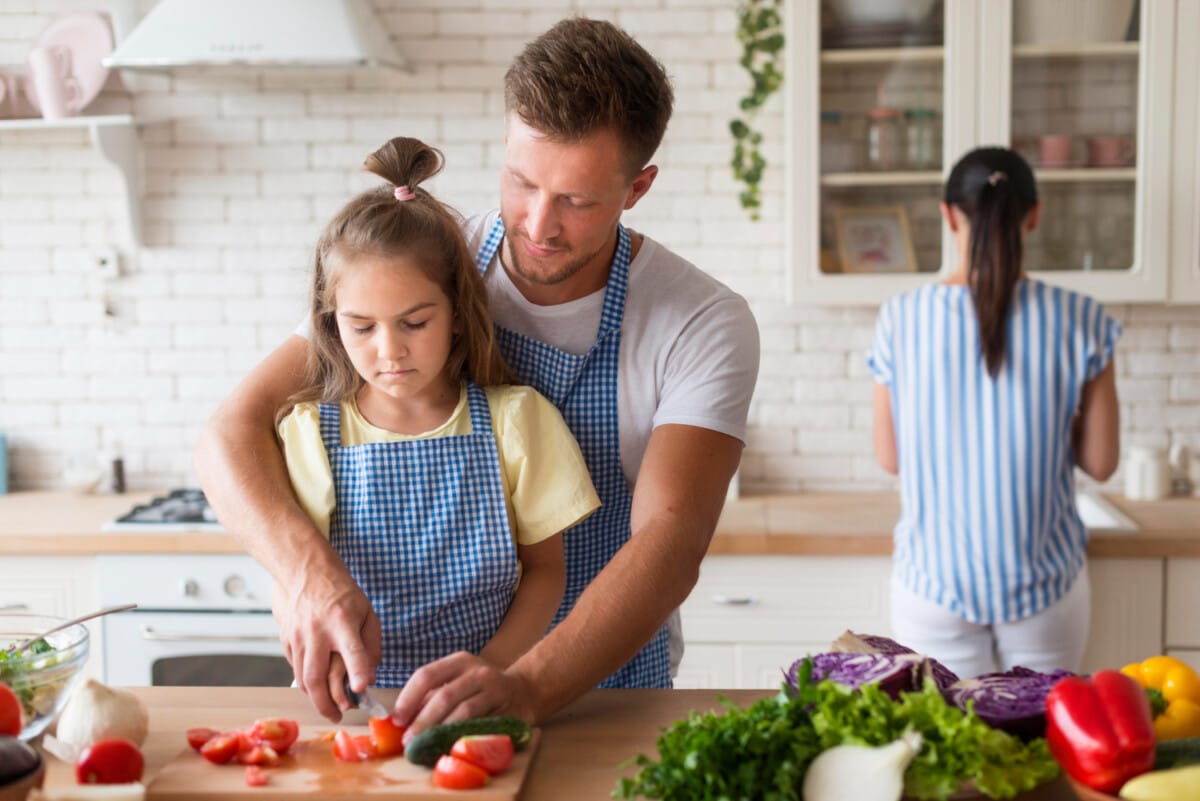
Food and cooking aren’t just things students read about in class; they’re part of their everyday lives. Whether your students are preparing meals at home, browsing a grocery store, chatting with coworkers about lunch, or reading a menu at a restaurant, they need language to navigate the world of food confidently. That’s why food and cooking is such a high-impact topic to bring into your classroom.

It’s incredibly relatable. Everyone eats, everyone shops for food, and most people have some kind of cooking experience, whether they’re baking bread, microwaving leftovers, or following a family recipe. That built-in familiarity makes students more eager to participate and more comfortable using new vocabulary and grammar structures in conversation.

Beyond the basics, this topic is also deeply cultural. Talking about food naturally leads to discussions about traditions, celebrations, and personal preferences. Students love sharing what they eat at home or how certain meals are prepared in their country. These moments build community in the classroom and encourage spontaneous, meaningful speaking practice. You’ll be surprised how animated students become when describing a favorite dish from home!

Food vocabulary is also essential for practical life skills. Students may need to discuss dietary needs at a doctor’s office, read ingredient labels for allergies, or communicate confidently in a kitchen-based job. Even small talk, like “What do you usually eat for lunch?” or “Do you like spicy food?”, often revolves around food and becomes a doorway into real connection.

And let’s not forget shopping. Planning meals, making grocery lists, comparing prices, and choosing between eating out or cooking at home all involve language that is immediately useful. By practicing this language in the classroom, students are preparing for real interactions they’ll have as soon as they walk out the door.

If you’re looking for content that sparks engagement and helps learners thrive in daily life, food is a perfect place to start.

Add this set of paragraphs to your teaching library today and serve your students a topic that’s both deliciously practical and packed with learning potential.


More Text Packs

Urban Areas

City Life, Real Talk: Teaching the English of Urban Living

Money and Finance

Cents and Sensibility: Teaching English for Smart Spending and Financial Confidence

Time and Dates

Tick Tock, Talk: Teaching the Language of Time, Plans, and Life’s Little Moments

Culture and Traditions

Culture Is Not Just Something People Study; It’s Something They Live, Share, and Carry with Them Every Day

PackParagraphContent
94Cuisine and Cultural FoodI ate pizza for the first time at a birthday party. It was warm, cheesy, and full of tomato sauce. Everyone at the party loved it. My friend said it came from Italy. I didn't know food could be so fun and tasty. Later, I asked my parents to make pizza at home. Now, it's one of my favorite foods. I like learning about where food comes from and trying new things.
94Cooking MethodsThere are many ways to cook food. Some people boil water to make soup or pasta. Others fry eggs or chicken in a hot pan. Some foods go in the oven to bake, like bread or cake. Grilling is when we cook food over fire, like meat or vegetables. Each way of cooking changes the taste. Boiled food is soft. Fried food is crispy. Baked food smells sweet. Grilled food has a smoky taste.
94Nutrition and Healthy EatingI think eating healthy food is important. Healthy food helps our bodies grow and stay strong. I like fruits and vegetables because they are fresh and colorful. Apples, carrots, and bananas are tasty and good for me. I don't eat too many sweets because they have too much sugar. Drinking water is better than soda. When I eat well, I feel good and have more energy. Healthy food is better for our bodies.
94Shopping and Meal PlanningBefore going to the store, we write a list of food we need. We look in the kitchen and check what is missing. Then we plan meals, like pasta for Monday and soup for Tuesday. We write "tomatoes," "milk," and "bread" on the paper. At the store, we look at the list and put the food in the cart. This helps us save time and money. Planning makes cooking easier at home.
94Dining Out vs Eating at HomeSometimes I eat at a restaurant. Sometimes I eat at home. Eating at home is cheaper, and we cook what we like. We sit at the table and eat together. But I also like eating out. It feels special, and I can try food I don't know how to cook. I think both are good. Eating at home is quiet and relaxing. Eating out is fun and different. I like doing both.
PackParagraphContent
95Cuisine and Cultural FoodI remember the first time I tried sushi. It was at a friend's house during a special dinner. The rice was soft, and the fish tasted fresh. My friend explained that sushi is popular in Japan. I thought it was interesting how food can show part of a country's culture. Now, I like trying food from different places. It's a fun way to learn about other countries and what people eat there.
95Cooking MethodsCooking food can be done in many different ways. We can boil vegetables in water, fry eggs in a pan, or bake cakes in the oven. Each method makes the food taste and feel different. For example, baking makes bread soft and warm, while frying makes food crispy. Some people also grill food outside, which gives it a smoky flavor. Learning how to cook using different methods helps us enjoy a variety of meals.
95Nutrition and Healthy EatingEating healthy food helps our bodies work better. A good meal has fruits, vegetables, and proteins like chicken or beans. These foods help us feel strong and stay healthy. I try not to eat too much junk food, like chips or soda, because they have too much salt and sugar. Drinking water is better than sugary drinks. When I eat well, I feel more awake and ready to do my schoolwork or play sports.
95Shopping and Meal PlanningPlanning meals before shopping is very helpful. At home, we talk about what we want to eat for the week. Then, we make a list of everything we need. This helps us stay organized and not forget anything. At the store, we look at our list and find the items. It also helps us save money by not buying too much. When we plan, cooking at home becomes faster and less stressful.
95Dining Out vs Eating at HomeEating at home and eating out are both nice in different ways. When we eat at home, we can choose healthy ingredients and cook meals the way we like. It's also cheaper. But eating out is fun, especially when we want to try new food or celebrate something. I enjoy going to restaurants with my family sometimes. At home, meals feel calm and cozy. At restaurants, meals feel exciting and special.
PackParagraphContent
96Cuisine and Cultural FoodCuisine is a big part of every culture. Each country has special dishes made with ingredients that grow locally or reflect its history. For example, in Mexico, people enjoy spicy foods with beans, corn, and rice. In India, many dishes use flavorful spices like turmeric and cumin. In Korea, fermented foods like kimchi are common. Trying food from different places helps us learn more about the people who live there. It also helps us understand their traditions and way of life. Sharing meals from different cultures can bring people together and help us feel more connected to the world.
96Cooking MethodsThere are many different ways to cook food, and each method creates a different flavor and texture. Boiling is great for making soups and soft vegetables. Frying adds a crispy texture, especially to foods like potatoes or chicken. Baking is used for making bread, cakes, or roasted dishes. Grilling brings a smoky taste that many people enjoy, especially in summer. Steaming is a healthy method that keeps nutrients in vegetables. Each method is used for a reason, and different cultures have their favorites. Learning new cooking methods helps us prepare a variety of meals and explore recipes from around the world.
96Nutrition and Healthy EatingEating well helps us stay healthy, strong, and full of energy. A good diet includes fruits, vegetables, whole grains, and proteins like eggs, beans, or meat. These foods give us vitamins, minerals, and energy to focus at school or work. It's also important to drink plenty of water and avoid eating too much sugar, salt, or oily food. When we eat a variety of healthy foods each day, our bodies work better, and we don't get sick as often. Making small choices, like choosing fruit for a snack or drinking water instead of soda, can make a big difference.
96Shopping and Meal PlanningMeal planning helps us eat better and save time and money. Before going to the store, we can think about what we want to eat during the week and make a list. This makes shopping faster and helps us remember everything we need. It also stops us from buying extra snacks or food we don't need. When we plan our meals, we can choose healthy recipes and make sure we eat a balanced diet. Planning also reduces waste because we only buy what we will use. Cooking at home becomes easier when everything is already prepared and planned.
96Dining Out vs Eating at HomeEating at home and eating at restaurants both have their benefits. When we cook at home, we can choose healthy ingredients, save money, and eat food we enjoy. We also control how much we eat and how it's prepared. Eating out can be a fun treat, especially when we want to try new food or celebrate with others. However, restaurant meals are often more expensive and can have more fat, salt, or sugar. It's a good idea to eat at home most days and go out for special occasions. Both ways of eating can be part of a healthy lifestyle.
PackParagraphContent
97Cuisine and Cultural FoodFood is a key part of cultural identity. Different countries have unique dishes made from local ingredients and shaped by history and tradition. For example, Thai food is known for its spicy flavors, while French cuisine includes sauces and fine desserts. Traditional meals are often shared during holidays and family gatherings. These foods can show what a culture values, like hospitality or balance in taste. Exploring different cuisines helps us understand other ways of life and appreciate how food connects people, not just for eating, but for sharing stories, values, and experiences across the world.
97Cooking MethodsCooking techniques vary around the world and can affect the taste, texture, and nutrition of food. Steaming, for example, keeps more nutrients in vegetables, while frying adds a crispy texture. Roasting brings out sweet flavors in foods like carrots, and sautéing allows for quick meals with rich taste. In some cultures, food is slow-cooked for hours, while in others, fast stir-frying is common. Each method suits different ingredients and traditions. Learning multiple cooking methods gives you more options in the kitchen and allows you to enjoy foods from many cultures in your own home.
97Nutrition and Healthy EatingHealthy eating means choosing a variety of foods that provide the body with the right balance of nutrients. Fruits and vegetables give us vitamins and fiber, while proteins help build muscles and repair tissue. Whole grains provide energy, and healthy fats support brain function. It's important to avoid too much sugar, salt, or processed food. Balanced meals help us feel good, focus better, and reduce the risk of illness. Developing smart eating habits, like reading food labels or planning ahead, can improve our health in the long term and support both mental and physical well-being.
97Shopping and Meal PlanningShopping for groceries is easier and more efficient when meals are planned in advance. By making a list based on a weekly menu, we can buy only what we need and reduce food waste. This saves time and money and helps us make healthier choices. It's easier to avoid processed snacks or junk food when we already know what we're going to cook. Meal planning can also help us stay organized during busy weeks, avoid last-minute takeout, and ensure that our diet includes a variety of nutrients. Over time, this habit supports better health and budget control.
97Dining Out vs Eating at HomeEating at home gives us more control over what we eat, how much we spend, and how healthy our meals are. We can choose fresh ingredients and avoid extra fats or sugar. However, eating out is a social experience, it lets us try new dishes and enjoy time with friends or family. Restaurants offer convenience, especially when we're busy or celebrating. Still, eating out too often can become expensive and less healthy. The best choice is often a balance: cook at home regularly to stay healthy and save money, and enjoy eating out occasionally as a treat.
PackParagraphContent
98Cuisine and Cultural FoodCuisine reflects a culture's history, geography, and social values. In Mediterranean countries, olive oil, seafood, and fresh vegetables are common, while in India, spices and vegetarian dishes play a central role. Food is often tied to traditions and ceremonies, such as family feasts or religious celebrations. For immigrants, preparing traditional dishes can help maintain a sense of identity. Trying international foods helps us understand how people live, celebrate, and express themselves through flavor. Cultural cuisine isn't just about taste, it tells a story and creates shared experiences across generations and borders.
98Cooking MethodsUnderstanding cooking methods allows for creativity, efficiency, and better nutrition. Techniques like roasting, braising, sautéing, and steaming each bring out different qualities in food. Roasting caramelizes sugars, deepening flavor; steaming keeps vegetables crisp and nutritious; sautéing adds color and taste quickly with little oil. In professional kitchens, techniques are chosen based on the desired texture, flavor profile, and time available. Home cooks can benefit by learning these methods to adjust recipes and reduce waste. Mastering techniques also builds confidence, making it easier to adapt traditional meals or try global recipes from scratch.
98Nutrition and Healthy EatingHealthy eating is more than avoiding junk food, it's about providing the body with what it needs to function well. A nutritious diet includes a balance of macronutrients (protein, carbs, fats) and micronutrients (vitamins, minerals). It supports energy, mood, focus, and long-term disease prevention. Mindful eating habits, such as portion control and reading food labels, help prevent overconsumption. Processed foods often contain hidden sugars and additives, so understanding ingredients matters. Healthy eating can be personal, depending on age, activity level, and health goals. Choosing real, whole foods over convenience snacks improves both physical and mental well-being.
98Shopping and Meal PlanningSmart grocery shopping and meal planning reduce waste, save money, and lead to better eating habits. By planning weekly meals, we can make shopping lists focused on fresh ingredients and avoid impulse buys. Reading labels helps identify healthier options and compare brands. Planning ahead also helps balance meals across the week, combining protein, vegetables, and grains. It makes it easier to cook at home instead of relying on takeout. For families or busy professionals, meal planning can reduce stress and support time management. With practice, it becomes a routine that supports both health and lifestyle goals.
98Dining Out vs Eating at HomeDining out offers convenience and variety, but it often comes with higher costs and less control over ingredients. Meals from restaurants may contain more salt, sugar, or fat than home-cooked versions. On the other hand, eating at home gives us full control over what we eat and how much we spend. Home cooking supports healthier eating and often strengthens family routines. Still, eating out is enjoyable, it's a social experience and a chance to try new foods. Striking a balance is key: cook most meals at home for health and savings, and enjoy restaurants in moderation.
PackParagraphContent
99Cuisine and Cultural FoodThe global culinary landscape is a reflection of human history, migration, and cultural identity. From the meticulous techniques of French patisserie to the bold spices of West African stews, each cuisine communicates values, geography, and generational knowledge. Food is central to rituals, hospitality, and even resistance. For diasporic communities, cooking becomes a form of cultural preservation. As globalization expands access to diverse ingredients, fusion cuisines emerge, blending traditions. Exploring cuisine helps language learners engage deeply with cultural narratives, social customs, and cross-cultural understanding, all through something as simple as a shared meal.
99Cooking MethodsCooking methods are not just techniques but reflections of culture, technology, and health priorities. Sous vide, fermentation, molecular gastronomy, and slow cooking each require distinct tools and time investment. These methods influence flavor, texture, nutrient retention, and even social interaction during meal preparation. For example, communal cooking traditions, like steaming dumplings or roasting whole animals, build community bonds, while individualistic methods focus on precision and efficiency. Understanding how and why foods are prepared in specific ways enables learners to interpret cultural priorities and make informed choices in their own kitchens. Mastery of these methods bridges science and art.
99Nutrition and Healthy EatingAdvanced nutrition knowledge empowers individuals to critically evaluate food trends, debunk dietary myths, and make informed health decisions. Beyond calories and nutrients, nutrition intersects with psychology, economics, and sustainability. Discussions include the role of gut health, plant-based diets, and the impact of food deserts. Language learners benefit from analyzing ingredient labels, understanding government dietary guidelines, and discussing ethical consumption. Healthy eating becomes not only a personal responsibility but also a public conversation, addressing food policy, health disparities, and long-term lifestyle planning. Mastering this vocabulary enables meaningful participation in health-related discussions and decision-making.
99Shopping and Meal PlanningStrategic meal planning involves more than just selecting recipes, it's about time budgeting, nutritional balance, and waste reduction. At advanced levels, learners explore food marketing tactics, pricing psychology, and sustainability considerations. Shopping habits vary by region: some cultures prioritize daily fresh market visits, while others plan weekly supermarket hauls. Discussing organic versus conventional produce, food storage techniques, and dietary accommodations for allergies or restrictions deepens language use. Planning meals also supports mental well-being by reducing decision fatigue and encouraging routine. Effective meal planning, when combined with intentional shopping, empowers learners to navigate complex modern food systems.
99Dining Out vs Eating at HomeDining out and eating at home represent not only lifestyle choices but also broader economic, cultural, and health-related themes. Dining out often introduces learners to etiquette, culinary diversity, and service language, while home cooking emphasizes autonomy and tradition. The decision between the two touches on cost, time, nutrition, and social engagement. Advanced learners can compare regional dining customs, explore restaurant reviews, or debate the environmental impact of delivery services. Exploring this contrast fosters vocabulary development around choice, value, and culture. It also encourages learners to express personal habits and analyze broader food-related trends in society.

More Text Packs

Urban Areas

City Life, Real Talk: Teaching the English of Urban Living

Money and Finance

Cents and Sensibility: Teaching English for Smart Spending and Financial Confidence

Time and Dates

Tick Tock, Talk: Teaching the Language of Time, Plans, and Life’s Little Moments

Culture and Traditions

Culture Is Not Just Something People Study; It’s Something They Live, Share, and Carry with Them Every Day