Skip to content

Culture and Traditions

Culture Is Not Just Something People Study; It’s Something They Live, Share, and Carry with Them Every Day

Culture and traditions is a powerful and meaningful topic to explore in the classroom. It gives learners the language to talk about who they are, where they come from, and what matters most to them. And just as importantly, it prepares them to understand and connect with others in a diverse and global world.

In real life, students often find themselves in situations where culture becomes part of the conversation. They might be invited to a celebration and want to ask about the customs, or they may need to explain their own holiday traditions to coworkers or classmates. Whether they’re describing special clothing, talking about a favorite dish, or explaining how their family celebrates a new year, they need the vocabulary and confidence to do it in English.

This topic also plays a vital role in helping students navigate differences. Learning to talk about values, behaviors, and traditions opens the door to deeper intercultural understanding. It helps students know what to expect in different situations, what’s considered polite, how to interact with people from different backgrounds, and how to show respect in unfamiliar settings.

Culture and traditions also invite creativity and connection. Lessons on music, art, and dance get students talking, sharing, and even performing. These conversations go beyond grammar; they build identity, empathy, and classroom community.

And in workplaces, schools, and communities that are increasingly multicultural, being able to talk about one’s culture and learn about others’ is a valuable social skill. Whether students are applying for jobs, joining new teams, or making friends in new places, the ability to talk about culture helps them build trust, bridge gaps, and celebrate diversity.

When you bring culture and traditions into your classroom, you’re not just building vocabulary; you’re building bridges.

Add this set of paragraphs to your teaching library today and give your students the tools to express their identity, respect others, and speak with confidence across cultures.

More Text Packs

Urban Areas

City Life, Real Talk: Teaching the English of Urban Living

Money and Finance

Cents and Sensibility: Teaching English for Smart Spending and Financial Confidence

Time and Dates

Tick Tock, Talk: Teaching the Language of Time, Plans, and Life’s Little Moments

Work and Professions

Work Is More Than Just a Place Students Go; It’s a Part of Their Identity, Their Routine, and Often, Their Reason for Learning English

PackParagraphContent
142Cultural holidays and festivalsPeople around the world celebrate holidays in different ways. Some holidays have music, dancing, and big parades. Others are quiet with family dinners. These special days show what is important in each culture. People wear nice clothes, eat special foods, and spend time with loved ones. Celebrating holidays helps people feel happy and connected. It also helps them remember important events and family traditions.
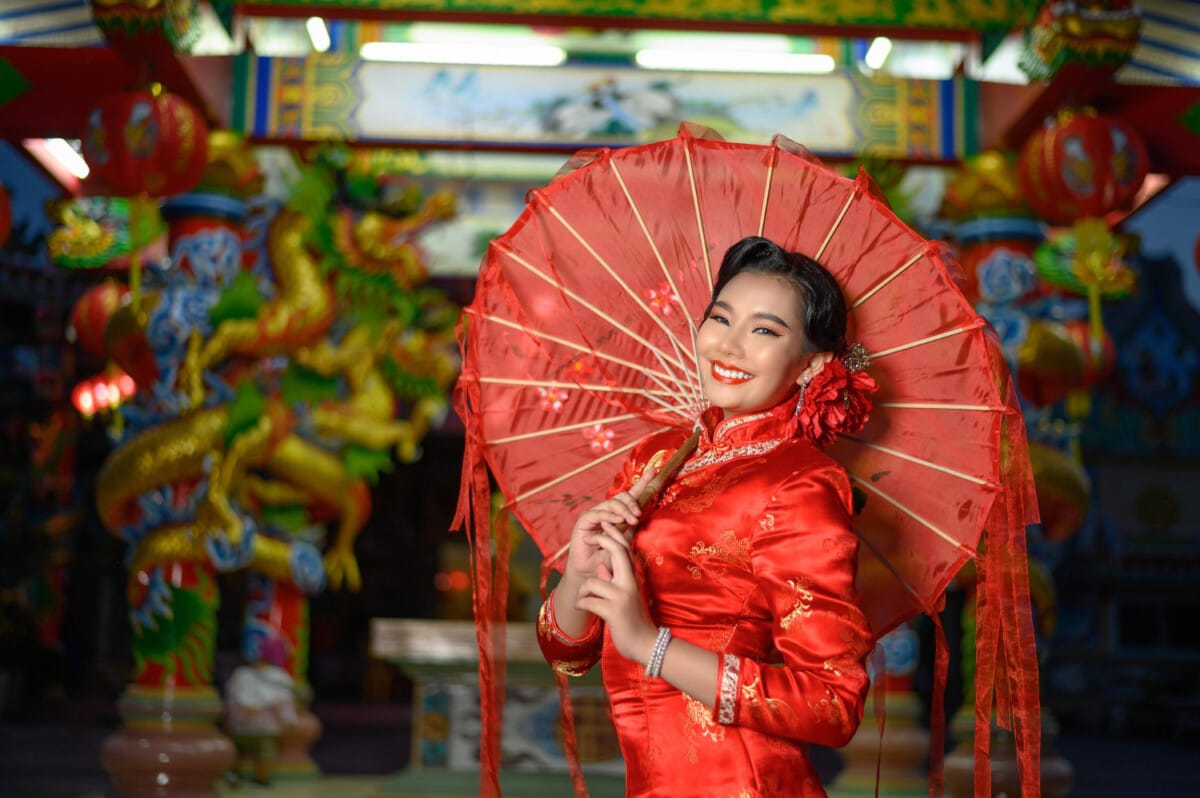
142Traditional clothing and attireIn many countries, people wear traditional clothes during festivals or important events. These clothes are often colorful and beautiful. They can show the history of the country or the family. Some clothes are passed down from parents to children. Wearing traditional clothing helps people feel proud of their culture. It also shows respect for old customs and special days. People enjoy seeing each other in these beautiful outfits.
142Cultural norms and valuesCultures have different rules for how people act. These are called norms. They help people know what is polite or not polite. For example, saying "thank you," taking off shoes, or bowing to someone. Values are ideas like being kind or honest. These are important in many places. Learning about norms and values helps people live and talk nicely with others. It also helps us understand people from other countries.
142Arts, music, and dance in different culturesArt, music, and dance are part of every culture. People use them to show their feelings and ideas. In some places, people sing songs about love or nature. Others dance at weddings or parties. Children learn songs and dances from their families. Artists paint pictures that show history or beauty. These activities help people have fun and share their culture. They also bring people together in happy ways.
142Intercultural communication and exchangePeople from different cultures live all around the world. They speak different languages and have different customs. When people talk, share food, or play together, they learn about each other. This is called intercultural exchange. It helps people understand new ideas and respect other ways of life. Being kind and listening carefully is important. Talking with people from other cultures can make us smarter and more open-minded.
PackParagraphContent
143Cultural holidays and festivalsCultural holidays and festivals give people a chance to celebrate what is meaningful in their culture. Some are religious, like Eid or Hanukkah, while others are national, like Independence Day. These events often include songs, decorations, and special foods. Children may learn about their history through stories or games. Festivals can be loud and exciting or calm and thoughtful. No matter how they are celebrated, these occasions bring people together and help keep traditions alive for future generations.
143Traditional clothing and attireTraditional clothing is often worn for holidays, weddings, or important ceremonies. These outfits usually have unique colors, patterns, or accessories that show where someone is from or what group they belong to. In some countries, people wear these clothes proudly every day, while in others, they are saved for special times. Wearing traditional clothing can make people feel connected to their ancestors and their culture's history. It also helps younger generations learn about their identity in a meaningful way.
143Cultural norms and valuesNorms are the usual ways people behave in a culture, like how they greet each other or what is considered polite. Values are the beliefs that guide these actions, such as kindness, respect, or hard work. For example, in some cultures, people speak quietly to show politeness, while in others, being direct is important. Learning about these differences can help avoid confusion and build better relationships. Being aware of other cultures' norms makes us more thoughtful and open-minded.
143Arts, music, and dance in different culturesEvery culture has special forms of art, music, and dance that help express feelings, stories, and beliefs. Some people paint colorful pictures that show daily life or nature. Others create music using traditional instruments like drums or flutes. Dance can be a way to tell stories or bring people together during celebrations. These creative forms often begin in childhood and are passed down through generations. Learning about cultural art forms can make us more curious and respectful of other traditions.
143Intercultural communication and exchangeMeeting people from different cultures gives us a chance to learn and grow. Intercultural communication is more than just talking, it includes body language, customs, and attitudes. For example, some cultures avoid eye contact to show respect, while others see it as a sign of honesty. Sharing food, stories, or ideas helps people understand one another better. It's important to ask questions, listen carefully, and avoid making assumptions. These exchanges can lead to strong friendships and a greater understanding of the world.
PackParagraphContent
144Cultural holidays and festivalsCultural holidays and festivals reflect the values and traditions of a community. These events often include music, food, dancing, and special clothing, depending on the country or group. People may gather in large crowds to celebrate, or they might enjoy quieter moments at home with family. For example, Lunar New Year is celebrated in many Asian countries with fireworks and family meals, while Thanksgiving in the United States centers around gratitude and a shared feast. Learning about how others celebrate helps us appreciate different ways of life and teaches us that every culture has something special to offer. Participating in or observing different festivals is a fun way to explore global traditions.
144Traditional clothing and attireTraditional clothing is a symbol of identity, history, and pride. People wear these garments during important celebrations such as weddings, holidays, or religious ceremonies. Traditional attire varies greatly between cultures, for example, the hanbok in Korea, the dashiki in parts of Africa, or the dirndl in Germany. These clothes are often handmade with unique patterns, fabrics, or decorations that tell a story about a region's past. Wearing traditional clothing shows respect for one's roots and is a way of keeping cultural customs alive. In today's world, some people combine traditional and modern styles, which helps keep the culture fresh while honoring the past. Exploring different types of traditional clothing can help us understand cultural values more deeply.
144Cultural norms and valuesCultural norms are the typical ways people behave in a community, while values are the beliefs that guide that behavior. For example, in some cultures, people bow to greet each other as a sign of respect. In others, a handshake or hug is more common. Values such as honesty, kindness, or loyalty are shared in many cultures but may be shown in different ways. Understanding norms and values helps people avoid misunderstandings, especially when visiting another country or working with people from diverse backgrounds. Respecting different customs shows that we are willing to learn and accept differences. These lessons are especially important in today's connected world, where we often interact with people from many places.
144Arts, music, and dance in different culturesArt, music, and dance help people express their identity and emotions, and every culture has its own unique traditions in these areas. Traditional music might use special instruments, rhythms, or songs passed down through generations. For example, Irish folk music uses instruments like the fiddle and tin whistle, while African drumming uses deep rhythms and group participation. Dance styles can tell stories or celebrate important events, like the hula in Hawaii or Kathak in India. Visual art often includes symbols and designs that show what a culture values. Learning about these forms of expression helps us appreciate the beauty and creativity found around the world. It also shows how much we all have in common through art.
144Intercultural communication and exchangeIntercultural communication means understanding and sharing with people from different cultural backgrounds. This can happen when we travel, meet international friends, or study other cultures in school. It's not just about speaking different languages, it also includes behavior, traditions, and values. For example, silence might be polite in one culture but feel uncomfortable in another. Through exchange programs, festivals, or even food and music, we can learn about new ways of thinking and living. Being respectful and open-minded helps build strong relationships and avoids stereotypes. As the world becomes more connected, knowing how to communicate across cultures is a valuable skill for work, travel, and friendships.
PackParagraphContent
145Cultural holidays and festivalsCultural holidays and festivals play an important role in many societies, bringing communities together to celebrate their shared heritage. These events often include activities such as traditional rituals, music, dance, and special foods. For example, Diwali in India, Chinese New Year, and Christmas in Western countries are celebrated with customs that reflect deep cultural traditions. Celebrating these holidays helps people maintain their cultural identity and creates a strong sense of community, allowing them to reconnect with their roots and share their traditions with others. Learning about different holidays from around the world also helps people become more open-minded and respectful of diversity. Whether through religious celebrations, historical events, or seasonal changes, these festivals give us insight into what people value and how they express joy and togetherness.
145Traditional clothing and attireTraditional clothing and attire are often worn during cultural celebrations, ceremonies, and special occasions, showcasing a culture's history, values, and artistic expression. These garments carry deep symbolism and are made using materials and techniques that have been handed down through generations. For example, the kimono in Japan, the sari in India, and the kilt in Scotland are all traditional outfits that hold cultural significance. Wearing traditional clothing is a way for people to honor their cultural heritage and express their identity and pride. In modern times, many people still wear these outfits during holidays or family events, while also blending them with modern fashion. Exploring traditional clothing can teach us about a culture's past, its geography, and its beliefs. It also reminds us that clothing is more than just style, it's a way of telling a story.
145Cultural norms and valuesCultural norms and values are the unwritten rules and shared beliefs that guide how people behave and interact in a society. These norms influence aspects like social etiquette, communication styles, and even how families are structured. For example, in some cultures, showing respect to elders is very important, while in others, individualism and self-expression are more highly valued. Understanding these cultural norms and values is key to communicating effectively and showing respect in diverse settings. It also helps people navigate social situations and form meaningful relationships across different cultures. By being aware of these differences, we can avoid misunderstandings and build bridges between people. Learning about cultural norms not only improves communication but also helps us develop empathy and global awareness, especially in today's increasingly connected world.
145Arts, music, and dance in different culturesArts, music, and dance are integral to cultural expression, representing a society's history, values, and creativity. Each culture has its own unique artistic traditions, ranging from classical music to folk dances to contemporary art. Examples include flamenco dance from Spain, reggae music from Jamaica, and classical Chinese painting. These art forms not only entertain but also help preserve and share cultural knowledge and values, enriching our understanding of global diversity. Through music, people express emotions; through dance, they tell stories; and through visual arts, they record their ideas and beliefs. In many communities, artistic traditions are passed down through families or learned in schools and festivals. Engaging with the arts from other cultures allows us to experience the world from different viewpoints and deepens our appreciation of global creativity.
145Intercultural communication and exchangeIntercultural communication and exchange involve interacting with people from different cultural backgrounds, sharing ideas, and learning from one another. This process helps break down stereotypes, foster respect, and build connections across cultures. Successful intercultural communication requires awareness of cultural differences, such as language, non-verbal cues, and social norms, and an open-minded approach to understanding diverse perspectives. For example, gestures that are polite in one country may be misunderstood in another. Cultural exchange can happen through travel, international friendships, online communities, or even local events that celebrate diversity. As the world becomes more connected, the ability to communicate across cultures becomes increasingly important for students, professionals, and global citizens alike. Embracing these experiences helps promote tolerance and mutual understanding in a multicultural society.
PackParagraphContent
146Cultural holidays and festivalsCultural holidays and festivals bring communities together in meaningful ways. Some holidays celebrate history or religion, while others mark the change of seasons or national events. These traditions may include fireworks, dances, traditional meals, or symbolic rituals. For example, Lunar New Year in East Asia is a time for family reunions and good fortune, while Thanksgiving in North America is focused on gratitude and harvest. Participating in cultural celebrations helps people feel connected to their roots and provides a sense of identity. It also creates chances to share those traditions with others and learn from different cultures. In today's multicultural societies, celebrating diverse holidays helps build understanding and respect among people from different backgrounds. These experiences teach us not only about customs and beliefs but also about the values that matter most to a culture, such as family, honor, and community.
146Traditional clothing and attireTraditional clothing reflects the lifestyle, geography, and values of a culture. Often passed down through generations, these garments are rich in meaning and craftsmanship. The patterns, colors, and materials used often represent a group's identity or social role. For instance, the Maasai of Kenya wear bright shúkà wraps, while the hanbok in Korea features wide sleeves and vibrant colors for celebration. Wearing traditional clothes during festivals or ceremonies allows people to honor their culture and share it with others. In many communities, traditional attire plays a role in storytelling, status, or even religious belief. Modern fashion designers are now blending these styles with contemporary trends, helping preserve cultural heritage while making it relevant today. Learning about traditional clothing teaches respect for the time, skill, and meaning behind each piece. It reminds us how clothing can be more than fashion, it can carry history, values, and pride.
146Cultural norms and valuesCultural norms and values shape the way people live, think, and interact. They influence everything from daily greetings to long-term life goals. In some cultures, silence is a sign of respect; in others, it may seem unfriendly. Values like family loyalty, hospitality, or individual freedom vary greatly around the world. These differences can lead to misunderstandings, especially when people from different cultures meet. However, learning about another culture's norms can help us better understand their behavior and priorities. For example, some societies place a strong focus on community, while others encourage personal success. Understanding these viewpoints helps avoid judgment and improves communication. As the world becomes more connected, being aware of cultural differences is essential for working, studying, or traveling abroad. Respecting norms and values doesn't mean giving up your own, it means finding ways to connect and cooperate with others.
146Arts, music, and dance in different culturesAcross the world, people use arts, music, and dance to express who they are. These creative forms tell stories, share beliefs, and celebrate life events. From the lively samba of Brazil to the gentle ink painting of China, each tradition reflects something unique about its culture. Music often carries the emotions of a people, while dance can show pride, history, or resistance. In some cultures, certain dances are only performed on special occasions or by specific groups. Art may include symbols passed down for centuries, revealing how people see nature, religion, or their community. Sharing cultural arts helps preserve them for future generations and builds bridges across language barriers. Today, many cultural art forms are being taught, performed, or displayed globally, promoting cultural exchange. Engaging with these traditions fosters creativity and global understanding, making the world feel both richly diverse and deeply connected.
146Intercultural communication and exchangeIntercultural communication is more than just speaking different languages, it's about understanding how people think, act, and express themselves. When people from different cultures meet, they may have different views on time, politeness, or how to show emotion. These differences can cause confusion or even offense, but they also offer opportunities to learn. Successful intercultural exchange happens when people listen with curiosity, ask questions respectfully, and stay open-minded. Whether through travel, education, or online platforms, interacting with other cultures teaches patience, flexibility, and empathy. It also helps challenge stereotypes and build friendships based on real experiences, not assumptions. In schools and workplaces, these skills are especially valuable. As our world becomes more connected, being able to navigate cultural differences is no longer optional, it's essential. Intercultural communication helps us build stronger communities, solve global problems together, and appreciate the richness of human diversity.
PackParagraphContent
147Cultural holidays and festivalsCultural holidays and festivals are deeply embedded in a society's collective memory, serving as vessels of tradition, identity, and continuity. These celebrations often transcend mere ritual, becoming occasions where historical narratives, spiritual beliefs, and communal values are performed and reaffirmed. From the solemnity of Día de los Muertos in Mexico to the exuberance of Holi in India, each event encapsulates stories that bind generations. Participating in such festivals fosters intergenerational learning, as elders pass down customs and meanings. Moreover, in multicultural societies, exposure to diverse celebrations encourages intercultural dialogue and respect. Observing or joining in foreign festivals, even as outsiders, invites a level of empathy and curiosity that bridges cultural divides. As globalization intensifies, these events increasingly act as cultural ambassadors, offering insights into ways of life that might otherwise remain abstract. Through celebration, communities not only preserve their unique identity but also contribute to the broader mosaic of human culture.
147Traditional clothing and attireTraditional clothing functions as a living archive of cultural expression, symbolizing identity, artistry, and heritage. Beyond aesthetics, each garment encapsulates a set of values, beliefs, and historical context. A single outfit may reveal geographic adaptation, spiritual significance, or social hierarchy. For instance, the Yoruba agbada, embroidered with symbolic motifs, speaks of lineage and status, just as the Peruvian pollera carries the legacy of indigenous resistance and adaptation. In modern times, traditional dress may oscillate between cultural pride and political statement, resisting assimilation or reasserting autonomy. As contemporary fashion integrates elements from traditional attire, questions arise about authenticity, appropriation, and preservation. Yet for many, donning traditional clothing remains an act of reverence, a way to reconnect with ancestral roots and express continuity in an ever-shifting world. These garments, worn on ceremonial occasions or adapted into modern wardrobes, are powerful markers of belonging, resilience, and cultural memory.
147Cultural norms and valuesCultural norms and values operate as invisible frameworks shaping thought, behavior, and social order. They influence everything from the pace of conversation to the structure of institutions, often unconsciously guiding daily life. While some norms, such as hospitality or filial piety, may appear universally valued, their expression differs dramatically across cultures. In Japan, silence can indicate respect; in other societies, it may suggest disinterest. Such divergences frequently lead to cross-cultural misunderstandings. However, recognizing these underlying systems allows for more empathetic engagement and effective collaboration. Values like individualism or collectivism not only shape interpersonal relationships but also underpin broader societal structures like education, governance, and economics. Navigating a multicultural world requires awareness of one's own cultural lens, and a willingness to question assumptions. Ultimately, understanding norms and values enables deeper intercultural dialogue, where difference is not merely tolerated, but actively examined and appreciated for the insight it provides into the human experience.
147Arts, music, and dance in different culturesThe arts serve as a mirror to cultural consciousness, capturing not only aesthetic traditions but also emotional, political, and spiritual currents within a society. Whether through the rhythmic storytelling of West African drumming or the abstract expressionism of post-war America, each artistic form reflects complex cultural realities. Music, dance, and visual arts often preserve oral histories, encode belief systems, and challenge societal norms. In some cases, they become tools of resistance or healing, consider how Indigenous dances have been revived as acts of reclamation after colonial erasure. Exposure to diverse artistic expressions expands our interpretive frameworks and fosters cross-cultural empathy. Moreover, in an increasingly digitized world, cultural art forms are simultaneously at risk of homogenization and poised for wider recognition. Engaging with these traditions responsibly means honoring their origins, understanding their evolution, and recognizing their power to connect people across linguistic and geographical boundaries. Through the arts, cultures do not simply survive, they resonate and transform.
147Intercultural communication and exchangeIntercultural communication is a nuanced interplay of language, perception, and social expectation. Beyond grammar and vocabulary, it encompasses how meaning is constructed, how time is perceived, and how power dynamics influence interaction. Miscommunication often stems not from linguistic failure but from mismatched cultural assumptions, such as differing views on hierarchy, personal space, or directness. In a globalized context, the ability to interpret these subtleties becomes increasingly essential, especially in diplomacy, international business, and multicultural education. Effective intercultural exchange requires cultural humility, a recognition that no perspective is universally correct, and the cognitive flexibility to adapt without compromising one's own identity. Technology has accelerated these encounters, creating unprecedented opportunities for connection, but also for misrepresentation. Cultivating intercultural competence is not a passive process; it demands curiosity, critical reflection, and active engagement. As societies become more interconnected, successful communication across cultures becomes a cornerstone of peaceful coexistence and mutual advancement.

More Text Packs

Urban Areas

City Life, Real Talk: Teaching the English of Urban Living

Money and Finance

Cents and Sensibility: Teaching English for Smart Spending and Financial Confidence

Time and Dates

Tick Tock, Talk: Teaching the Language of Time, Plans, and Life’s Little Moments

Work and Professions

Work Is More Than Just a Place Students Go; It’s a Part of Their Identity, Their Routine, and Often, Their Reason for Learning English