| Pack | Paragraph | Content |
|---|
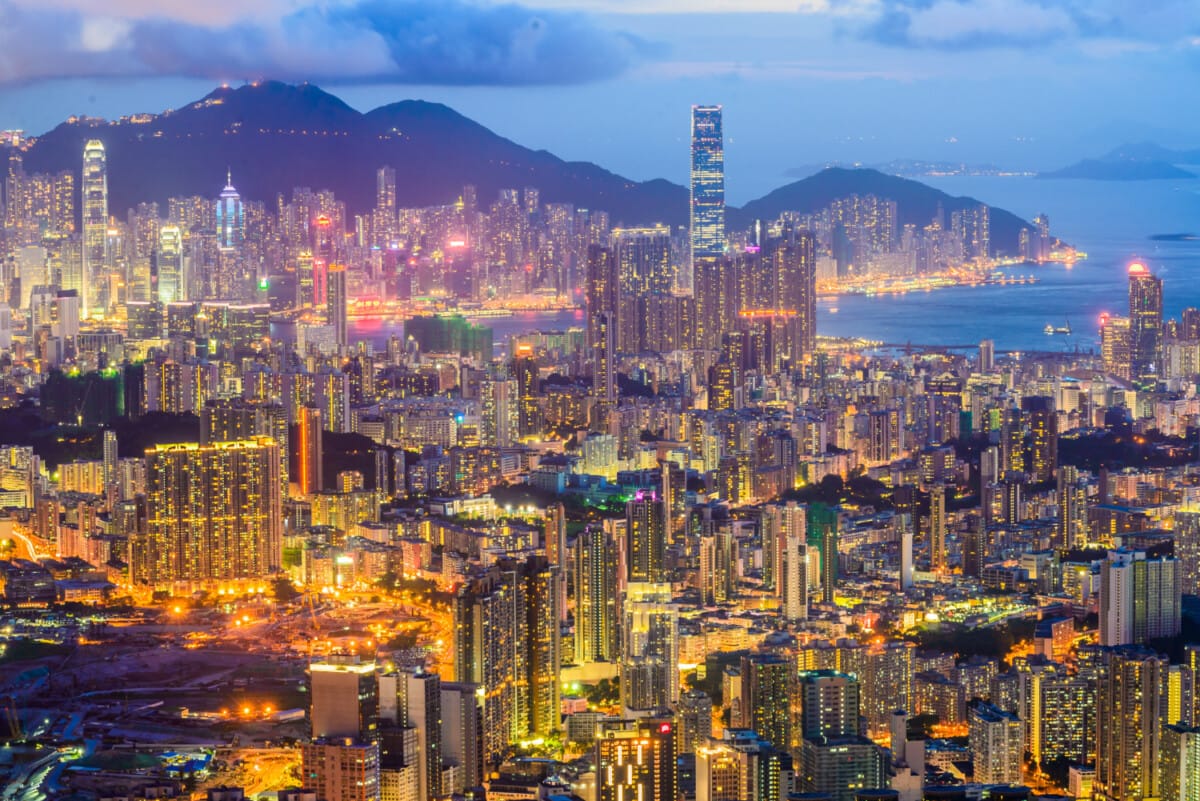
| 171 | Characteristics of urban vs. rural areas | Urban and rural areas reflect two distinct ways of living, each with its own appeal and limitations. Urban environments are defined by density, infrastructure, and opportunity. People often live in high-rise apartments, use public transit, and have access to a variety of cultural, educational, and medical services. However, they also face challenges such as noise, crowding, and high living costs. Rural areas, in contrast, offer space, quiet, and a closer relationship with nature. People might rely on personal vehicles, live in single-family homes, and participate in tight-knit communities. But they may have fewer career options or amenities. From an economic perspective, urban centers drive growth, while rural regions provide critical resources like food and raw materials. Choosing between the two often depends on lifestyle preferences and personal values. For example, someone drawn to fast-paced careers might favor city life, while someone seeking tranquility and self-sufficiency might prefer the countryside. Understanding the benefits and trade-offs of each setting is essential for individuals planning their futures and for policymakers shaping sustainable communities. |
| 171 | Public transportation and commuting | Daily commuting in urban areas is a defining feature of modern life. Cities rely heavily on public transportation, buses, trains, subways, and trams, to manage the flow of millions. As an urban planner, I've studied how commuting patterns influence everything from city design to quality of life. A poorly connected city leads to long wait times, overcrowding, and stress. But a smart transit system, well-integrated, frequent, and affordable, can dramatically enhance daily life. It reduces traffic, cuts emissions, and promotes economic inclusion. For example, low-income workers benefit from reliable transit that gets them to jobs on time. The difference between a chaotic and efficient commute can shape a resident's entire perception of a city. Planners now emphasize multimodal transport, bike lanes, ride-shares, and pedestrian zones, alongside traditional systems. As cities grow, the future of commuting may also involve autonomous vehicles and expanded smart infrastructure. But technology aside, the core goal remains the same: creating cities where movement is not a burden but a bridge to opportunity. |
| 171 | Urban planning and architecture | Walk down any street, and you're surrounded by the silent language of urban planning and architecture. Every curve of a building, every bench in a park, every street corner, each reflects deliberate choices about how we live together. In my travels, I've seen cities where thoughtful design transforms daily life. For instance, Barcelona's grid pattern, enhanced with green spaces, invites walking and community interaction. Contrast this with cities built without regard for pedestrians or climate, where long commutes and isolated buildings sap energy and connection. Architecture isn't just about looks; it's about function and feeling. A school should feel safe and inspiring; a library should invite focus and calm. Urban planning shapes equity, accessibility, and even health outcomes. Cities that prioritize mixed-use development, efficient zoning, and inclusive design tend to thrive. Ultimately, well-designed cities foster not just movement, but meaning, turning spaces into places, and buildings into stories. |
| 171 | Social issues in urban environments | Urban life is often romanticized for its excitement and opportunity, but beneath the surface, social issues run deep. Growing up in a low-income neighborhood, I witnessed how systemic inequality plays out in real time. Schools were underfunded, healthcare was difficult to access, and housing was unstable. These challenges aren't isolated, they're woven into the fabric of many cities. Rapid development often leads to gentrification, pushing out long-term residents and disrupting communities. While cities promise inclusion, they can also reinforce divisions along economic or racial lines. Addressing these issues requires more than short-term aid, it takes coordinated policy changes. Rent control, universal basic services, and inclusive urban design are just some tools that can foster equity. Community voices must be centered in planning decisions. Cities should not merely serve the privileged, they must reflect the needs of all who live there. Justice in urban spaces is not just an ideal; it's a necessity for sustainable and humane development. |
| 171 | Cultural and recreational opportunities in cities | No place reflects human creativity and connection like a vibrant city. On a single block, you might hear a violinist performing near a graffiti mural, smell fresh street food, and pass by a crowd cheering at a football match. These overlapping moments are what make cities alive. As a cultural writer, I've explored how cities nurture talent and community. Museums, concert halls, open-air markets, and even casual cafés become stages for self-expression. Recreation, too, is essential, green spaces, bike paths, and sports clubs help residents unwind and connect. Importantly, access matters. Cultural richness is only valuable when it's inclusive, not reserved for the wealthy. Cities must support free events, public art, and youth programs to ensure everyone can participate. Whether it's a poetry slam in a library basement or a massive cultural festival in a city square, these experiences build shared identity. They remind us that cities are not just places we live, they are places we belong. |