Skip to content

Shopping and Services

Smart Spending, Everyday English: Vocabulary for Stores, Sales, and Real-World Transactions

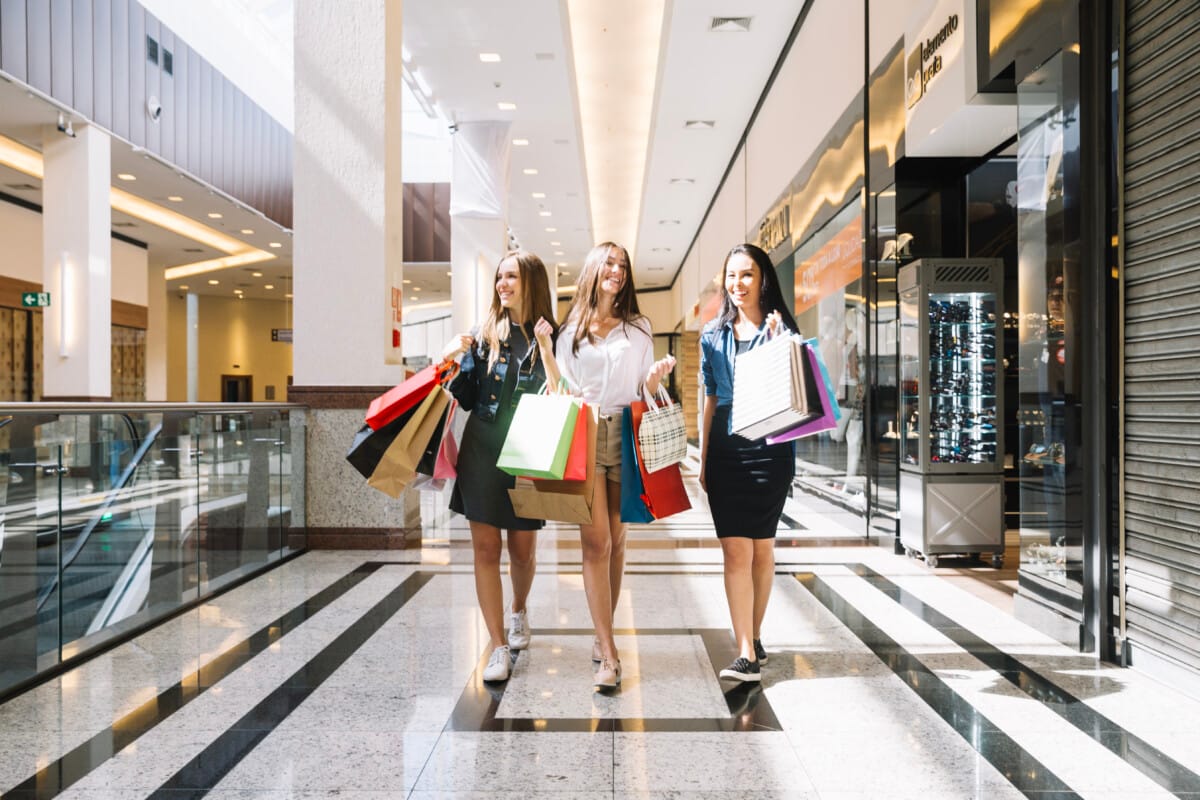
From buying groceries to bargaining at a flea market, shopping is one of the most common real-life situations students face. Shopping and services vocabulary gives students the practical language they need to confidently navigate stores, ask for help, and manage money in English-speaking environments.

This topic is especially valuable because it teaches high-frequency words that students will use regularly. Terms including mall, shop, store, and grocery help learners identify and talk about different shopping locations. Understanding the difference between a boutique, a bazaar, or a retail store allows for more precise and culturally relevant communication, especially for students living abroad.

At the same time, this pack introduces important roles and processes that happen in shopping environments. Words such as cashier, customer, salesperson, checkout, and register help learners understand the interactions they’ll experience in a store and how to participate in them with ease.

Teaching concepts like price, bill, discount, coupon, and sale not only builds vocabulary but also supports financial literacy. These words help students understand advertisements, track expenses, and make smart purchasing decisions, skills they’ll use whether they’re shopping in person or online.

What’s more, this vocabulary opens up plenty of engaging class activities, from role-plays and mock shopping trips to discussions about spending habits and bargain hunting. It’s fun, practical, and easy to personalize.

If you have not saved the “Shopping and Services” pack, now is the perfect time to stock up. These are words your students will use weekly, if not daily, and learning them gives learners the confidence to take part in everyday transactions, find great deals, and express themselves clearly in one of life’s most universal experiences.

More Vocab Packs

Money and Finance

From Deposits to Dollars: Essential Language for Building Real-World Confidence in Money Matters

Feelings and Emotions

Teach Your Students How to Express Emotions Clearly, Respond to Others, and Build Emotional Fluency in English

Culture and Traditions

An Essential Vocabulary Set for Teaching Customs, Celebrations, and How People Connect across Cultures

Tech and Gadgets

Power on and Learn: Essential Vocabulary for Devices, Apps, and Everyday Tech Use

PackVocabTypeDefinitionUsageImage
41BagNounA container with handles used to carry your things.He packed everything he needed in his bag before leaving.
Preview
41ShopNounA small place that sells things or services.He owns a coffee shop.
Preview
41StoreNounA place where goods are sold to people.She went to the store to buy groceries.
Preview
41ShelfNounA flat surface attached to a wall for storage or display.The books are neatly arranged on the shelf.
Preview
41GroceriesNounFood and supplies bought for the home.She picked up groceries after work.
Preview
41LedgeNounA flat surface projecting from a wall for storage or display.The books are neatly arranged on the ledge.
Preview
41AisleNounA passage between rows of seats or shelves.She walked slowly down the aisle looking for what she needed.
Preview
41GoodsNounThings that are made and sold.The store sells many goods.
Preview
41BazaarNounA busy market, often found outdoors, selling many things.She buys fruit from the local bazaar.
Preview
41BasketNounA small container carried by hand, used to carry things you want to buy.He carried a basket with snacks.
Preview
41Retail storeNounA large shop that sells many types of products.They bought a jacket from a retail store.
Preview
41Fitting RoomNounA small room in a store to try on clothes.She went to the fitting room with three shirts.
Preview
41Shopping CartNounA large metal basket on wheels used to carry things you want to buy.She pushed the shopping cart down the aisle.
Preview
41MallNounA large indoor shopping center with many stores and services.They spent the afternoon shopping at the mall.
Preview
41BoutiqueNounA small store that sells fashionable clothes or gifts.She bought a dress from a boutique.
Preview
41Online ShoppingNounThe act of purchasing products or services over the Internet.Online shopping offers the convenience of purchasing from home.
Preview
41RetailerNounA person or business that sells things to people.The retailer offered a big sale on phones.
Preview
41WholesaleNounSelling large amounts to other sellers.Stores buy from wholesale to save money.
Preview
41Window DisplayNounA display of goods in the window of a shop to attract customers.The store's window display features the latest fashion trends.
Preview
PackVocabTypeDefinitionUsageImage
42Bank CardNounA card that takes money from your bank account when you buy something.She paid with her bank card.
Preview
42Debit CardNounA card used to pay straight from your bank account.He paid with a debit card.
Preview
42Credit CardNounA card that lets you buy now and pay later.He used his credit card for the purchase.
Preview
42CouponNounA piece of paper or code that gives a discount.She used a coupon to save money.
Preview
42Sales TaxNounMoney added to the price when buying something.You pay sales tax at checkout.
Preview
42InstallmentsNounSmall payments made over time.She paid for the phone in installments.
Preview
42WarrantyNounA promise to fix or replace a broken product.The phone came with a two-year warranty.
Preview
42GuaranteeNounA promise that something will work well.There is a money-back guarantee.
Preview
42Loan RateNounThe cost you pay to borrow money.The bank has a low loan rate.
Preview
42Return PolicyNounRules for taking back or exchanging products.The store has a 30-day return policy.
Preview
PackVocabTypeDefinitionUsageImage
43BillNounA paper that shows what you must pay.She paid the bill at the restaurant.
Preview
43PriceNounThe amount of money something costs.The price of the shoes was low.
Preview
43TagNounA piece of paper or plastic attached to an item that shows information such as the price, size, or brand.She removed the price tag before wearing the new dress.
Preview
43SaleNounA time when things are sold for less money.They found many good deals during the sale.
Preview
43CheckoutNounThe place where you pay in a store.She waited at the checkout to pay.
Preview
43RegisterNounA machine that adds prices and holds money.The cashier used the register to print the receipt.
Preview
43DiscountNounA lower price than usual.The store gave a discount on clothes.
Preview
43DeliveryNounThe action of delivering letters, parcels, or goods.The delivery of her online order is expected tomorrow.
Preview
43Sold OutAdjectiveNo more items left to buy.The tickets were sold out in one hour.
Preview
43PromotionNounA special event or offer to sell more.The shop had a shoe promotion.
Preview
43OrderNounA request to buy something.He placed an online order.
Preview
43RefundNounMoney returned after returning something.The store gave her a refund.
Preview
43ReturnNounThe act of giving something back to a store.He made a return because the shirt didn’t fit.
Preview
43BargainNounSomething good that costs less than usual.She got a bargain on the shoes.
Preview
43PurchaseNounSomething that you buy.Her big purchase was a new phone.
Preview
43ExchangeNounReturning something to get a different one.She exchanged the shoes for a larger size.
Preview
43ShippingNounThe process of transporting goods from one place to another.The shipping cost is included in the total price.
Preview
PackVocabTypeDefinitionUsageImage
44CashierNounA person who takes your money when you buy things in a store.The cashier scanned the items quickly.
Preview
44CustomerNounA person who buys things from a store.The store was full of customers.
Preview
44ServicesNounWork done to help others, often for pay.The shop offers repair services.
Preview
44SalespersonNounA person who helps customers buy things in a shop.The salesperson showed her a new phone.
Preview
44Customer ServiceNounHelp given to customers by a company.Good customer service makes people return.
Preview
44Customer SatisfactionNounHow happy customers are with what they get.High customer satisfaction brings repeat buyers.
Preview
PackVocabTypeDefinitionUsageImage
45SizeNounHow big or small something is.The shirt is not my size.
Preview
45ColorNounWhat something looks like based on light.She picked the red color.
Preview
45Try OnVerbTo put on clothes to see if they fit.He tried on the jacket before buying it.
Preview
45SpecialNounA product sold at a lower price for a short time.They ordered today’s lunch special.
Preview
45ProductNounSomething made for people to buy.She bought a new product online.
Preview
45StyleNounThe way something looks or is designed.I like her casual style.
Preview
45BrandNounThe name of a product made by a company.This brand makes good shoes.
Preview
45LabelNounA tag with information about a product.Read the label before washing the shirt.
Preview
45LuxuryNounExpensive and high-quality products or services.He stayed in a luxury hotel.
Preview
PackVocabTypeDefinitionUsageImage
228TradeNounBuying and selling goods or services.Trade helps countries grow.
Preview
228RetailNounSelling things directly to customers.She works in retail sales.
Preview
228StableAdjectiveNot changing suddenly.The job gives him a stable income.
Preview
228FinanceNounThe way money is managed.She studied finance in college.
Preview
228MarketingNounPlanning how to sell products.Marketing helps the company grow.
Preview
228AdvertisingNounTelling people about products to help sell them.Advertising helps sell more products.
Preview
228InventoryNounAll the things a store has to sell.They checked their inventory before restocking.
Preview
PackVocabTypeDefinitionUsageImage
229Spending PlanNounA plan for how to use your money.They made a spending plan to save money.
Preview
229CommentNounWords given as feedback or opinion.She left a comment about the slow service.
Preview
229SpendingNounUsing money to buy things.They tracked their spending each month.
Preview
229Impulse BuyingNounBuying something without planning.She made an impulse buy at the store.
Preview
229Consumer RightsNounThe rules that protect buyers.She knows her consumer rights.
Preview
229OverconsumptionNounUsing too much of something.Overconsumption can harm the planet.
Preview
229Economic StatusNounA person's or group's level of wealth or income.Her economic status changed after getting a better job.
Preview
229Shopping HabitsNounThe way people usually shop.Her shopping habits include checking online prices.
Preview
229Loyalty ProgramNounA plan that gives rewards to repeat customers.She earned a free coffee through the loyalty program.
Preview
229Personal FinanceNounManaging your own money.He learned about personal finance to save better.
Preview
229Consumer BehaviorNounHow people choose and use products.Studying consumer behavior helps companies sell better.
Preview
229Disposable IncomeNounMoney left after paying taxes.With more disposable income, they went on vacation.
Preview
229Consumer ProtectionNounRules that keep buyers safe and treated fairly.Consumer protection laws help stop scams.
Preview
PackVocabTypeDefinitionUsageImage
230GainNounMoney earned after costs.The company made a gain this month.
Preview
230OfferNounA special deal for a short time.The store has a weekend offer on shoes.
Preview
230ProfitNounMoney made after paying all costs.The company made a good profit this year.
Preview
230VentureNounA new and sometimes risky business.He started a new business venture.
Preview
230ReservesNounMoney saved for later.They built up their reserves to buy a new home.
Preview
230MarginNounThe difference between cost and selling price.The store makes money from a profit margin.
Preview
230E-commerceNounCommercial transactions conducted electronically on the Internet.E-commerce has transformed the retail industry.
Preview
230Fair TradeNounBuying products made with fair pay and conditions.Fair trade goods help workers earn a living.
Preview
230ConsumptionNounThe use of resources or goods.Consumption of energy is rising.
Preview
230MaterialismNounThinking things are more important than people or values.Materialism can lead to wasteful spending.
Preview
230ConsumerismNounThe focus on buying many things.Consumerism can lead to too much spending.
Preview
230Market TrendNounHow things change in buying and selling over time.Eco-products are a big market trend.
Preview
230Brand LoyaltyNounWhen people keep buying the same brand.Brand loyalty helps a business stay strong.
Preview
230SustainabilityNounUsing things in a way that protects the planet.The brand cares about sustainability.
Preview
230Ethical ShoppingNounBuying things that are good for people and the planet.She chooses ethical shopping when possible.
Preview
230Price ComparisonNounLooking at prices before buying.She did a price comparison to find the cheapest shoes.
Preview
230Click and CollectNounA shopping service in which customers order online and then pick up their items from a store.She used the click and collect service to avoid shipping fees.
Preview
230Supply and DemandNounHow price changes based on how much people want and how much is available.Prices rise when demand is high.
Preview
230Economic DevelopmentNounGrowth in jobs and goods in a place.Economic development brings better services.
Preview

More Vocab Packs

Money and Finance

From Deposits to Dollars: Essential Language for Building Real-World Confidence in Money Matters

Feelings and Emotions

Teach Your Students How to Express Emotions Clearly, Respond to Others, and Build Emotional Fluency in English

Culture and Traditions

An Essential Vocabulary Set for Teaching Customs, Celebrations, and How People Connect across Cultures

Tech and Gadgets

Power on and Learn: Essential Vocabulary for Devices, Apps, and Everyday Tech Use

Health and Fitness

Speaking the Language of Wellness: From Injuries to Exercise, Key Vocabulary for Everyday Health Topics