Everyday English for the Spaces We Live In
Home is the first place most people learn to describe, no matter what language they speak. It’s where routines happen, where comfort lives, and where daily tasks unfold. For English learners, the vocabulary of the home is not only familiar but incredibly useful, because it connects directly to real life.
Talking about the home helps students describe where they live, explain their habits, and communicate needs clearly. Whether they are renting an apartment, sharing a house with family, or living in student housing, they need the language to talk about rooms, furniture, appliances, and household tasks. These are the words that help them fill out forms, speak to landlords, schedule repairs, or simply tell someone where to find the light switch.
This topic also supports everyday conversations. People often talk about cooking, cleaning, organizing, or relaxing at home. They describe their morning routine, their favorite corner of the house, or the chores they need to finish before the weekend. When learners have the vocabulary to talk about these small but meaningful parts of life, they gain confidence in expressing themselves naturally.
Around the house is also a great way to build functional language. Students can practice giving instructions like “Put the dishes in the sink,” or asking questions such as “Where is the laundry room?” They can learn how to describe problems like a broken faucet or a noisy heater. These skills matter in real situations, especially for learners who live independently or work in caregiving, hospitality, or maintenance roles.
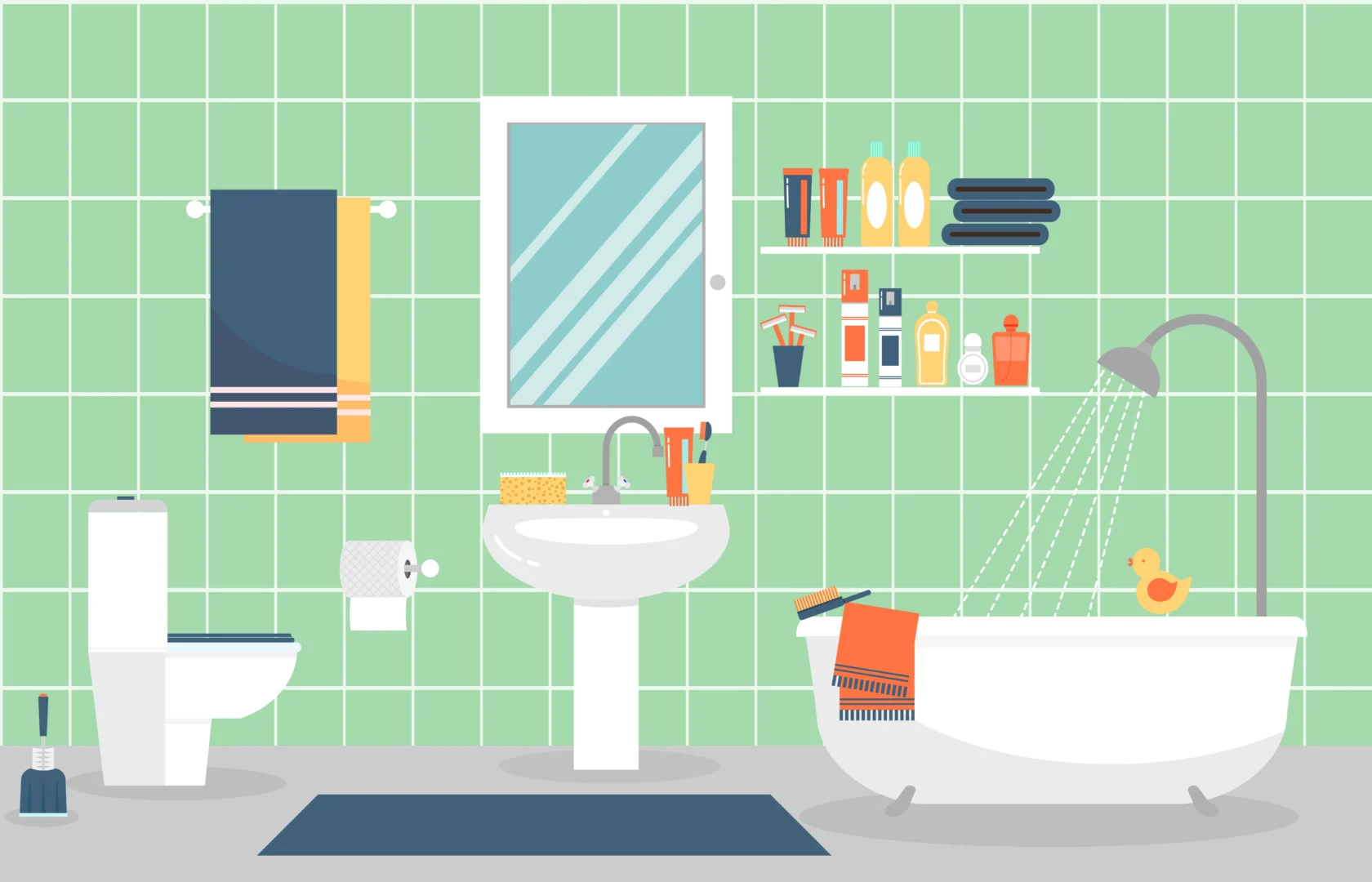
The topic is visual and easy to personalize. Every student has a different home setup, and that variety brings rich discussion into the classroom. They can compare layouts, talk about cultural differences in home design, or share photos of their favorite room. These conversations help them connect vocabulary to their own experiences, which makes the learning stick.
Teaching the language of the home also supports emotional expression. A home is more than walls and furniture. It’s a place tied to memories, routines, and comfort. When students can describe their space in English, they can share a part of their life that feels meaningful and familiar.
Add this set of visuals to your teaching library and give your students the language they need to talk about the place they know best: home.