On November 3, Collins, one of Britain’s biggest dictionary publishers, named “mogging” its word of the year for 2026. Collins defines the slang word as “the act of outshining or outperforming someone or something.” If someone looks or does so much better than you that you seem less impressive next to them, you have been mogged.
The verb is “to mog.” Imagine you bring homemade cupcakes to a dinner party and feel proud of them, until a friend arrives with a beautiful three-layer cake. Her cake has mogged your cupcakes. The word is often about looks, but it can be about almost anything. Be careful not to mix it up with “mugging,” which means attacking someone in the street to steal from them.
To choose the word of the year, Collins’ experts follow 27 billion words of English every year, including words used on social media. They look at how often words are used and how people use them. The use of “mogging” went up 210% in 2026, mostly among young people in Gen Z and Gen Alpha.
The word has a less friendly past. It is said to come from “AMOG,” short for “alpha male of the group,” which people later shortened to “mog.” Around 2016, it was used in online forums for men, including bodybuilding forums, to describe the strongest or best-looking man in a group. There, it was harsh and competitive. “It was a toxic term about extreme competitiveness, the urge to dominate,” said Tony Thorne, a language expert at King’s College London. “People then started to use it ironically and teasingly.”
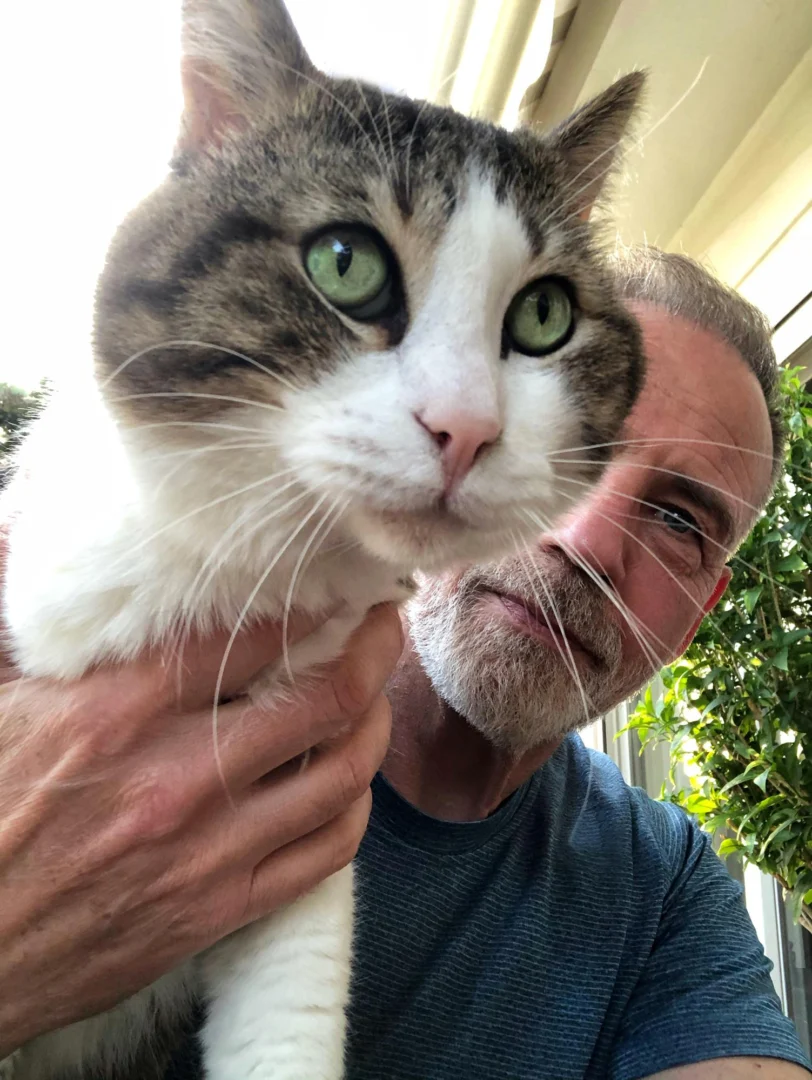
Today, most people use “mogging” as a joke or even a compliment. Thorne once heard someone say they had been “walk-mogged,” because someone their age walked faster than them on the street. Online, people joke that their cat is mogging them because it looks better than they do, or they try to stay calm on a rollercoaster to mog the screaming riders next to them. The American figure skater Alysa Liu, who won gold at the 2026 Winter Olympics, said in an interview that her “main goal for this competition was to mog.”
Alex Beecroft, the managing director of Collins, says the choice “shows how each generation leaves its mark on language.” He added: “It’s a great example of how Gen Z and Gen Alpha have adopted a word and turned it into humorous slang, making the language their own and ‘mogging’ the rest of us.”
Mogging beat nine other words on Collins’ shortlist. They include “ghost job,” a job advertisement for a job the company does not plan to fill, and “hydration break,” a short stop in a sports game so players can drink, which became famous at this year’s FIFA Men’s World Cup in the United States, Mexico, and Canada. Last year, Collins chose “vibe coding,” which means building an app or website by describing it to artificial intelligence (AI).
Sources: Collins Dictionary, BBC, CNN, Dictionary.com
On November 3, Collins, one of Britain’s major dictionary publishers, named “mogging” its word of the year for 2026. The dictionary defines the slang noun as “the act of outshining or outperforming someone or something.” If someone looks or performs so much better than you that you fade into the background, you have been mogged.
The verb is “to mog,” and it works for almost anything. Picture yourself arriving at a dinner party with homemade cupcakes you are quite proud of, only for a friend to walk in with a stunning three-layer cake. Her cake has just mogged your cupcakes. “Basically, if someone or something has made you look a bit rubbish by comparison, you’ve been mogged,” wrote Rachel Quin, a Collins copywriter, in the article announcing the winner. Just don’t confuse it with “mugging,” which means attacking someone in the street to rob them.
Collins’ lexicographers keep track of 27 billion words of English every year, drawn from sources that include social media. According to Alex Beecroft, the company’s managing director, the experts look not only at how often words are used but also at the patterns in how people use them. Use of “mogging” jumped 210% in 2026, driven mainly by Gen Z and Gen Alpha, both online and in everyday conversation.
The word’s early history is far less playful. Collins traces it to the slang “mog,” meaning a dominant male, which is said to be a shortened form of “AMOG,” or “alpha male of the group.” Around 2016, it appeared in bodybuilding circles and other online forums for men, where it described the biggest, strongest, or best-looking man in the room. “It was a toxic term about extreme competitiveness, the urge to dominate,” said Tony Thorne, a language consultant at King’s College London. “People then started to use it ironically and teasingly.” That older, more serious use has not disappeared entirely, Dictionary.com notes, and it still turns up in some of those online spaces.
For most people, though, mogging is now a joke or even a compliment. Thorne recalls hearing someone complain of being “walk-mogged” by a stranger of a similar age who simply walked past them faster. Online, people joke that their cat is mogging them by looking better than they do, or pose calmly on rollercoasters to mog the screaming riders beside them. Even the American figure skater Alysa Liu, an Olympic gold medallist in 2026, said in an interview that her “main goal for this competition was to mog.” Thorne believes the word has “largely been detoxified.” “You can apply [mogging] to almost anything now,” he said.
Beecroft says the choice “shows how each generation leaves its mark on language.” He added: “It’s a great example of how Gen Z and Gen Alpha have adopted a word and turned it into humorous slang, making the language their own and ‘mogging’ the rest of us.”
Quin described this year’s shortlist of 10 words as “one big mogging contest.” It includes “carspreading,” the trend toward ever longer, wider, and heavier cars; “firewave,” a term coined by researchers at Imperial College London in 2025 for several wildfires breaking out in a short period; and “ghost job,” an advertisement for a position the employer has no intention of filling. There is also “hydration break,” the short drink stop introduced at every match of this year’s FIFA Men’s World Cup in the United States, Mexico, and Canada because of the heat. Last year’s winner was “vibe coding,” the practice of building an app or website by describing it to artificial intelligence (AI).
Sources: Collins Dictionary, BBC, CNN, The Guardian, Dictionary.com